



How to Hire Chefs: Streamline Restaurant Chef Recruitment and Build a Top Culinary Team
Discover how to hire chefs and build a top-tier culinary team with Workstream’s mobile-first platform—streamlining chef recruitment, onboarding, and scheduling for restaurant success.

How to Hire Chefs: The Real-World Guide for Restaurant Owners
If you’ve ever tried to hire chefs—and I mean really hire, not just fill a slot—you know it’s not as easy as posting a job and crossing your fingers. The restaurant business is a wild ride, and your culinary team can make or break your reputation. So, how do you find and keep the talent that’ll keep your kitchen humming? Let me explain, step by step, with a few detours into the stuff that actually matters.
Why Hiring Chefs Is Different (and Why It Matters)
Chefs aren’t just employees—they’re the heartbeat of your kitchen. They set the tone for everything from food quality to team culture. If you ask me, turnover in the kitchen isn’t just a headache; it’s a full-blown migraine for your bottom line. Losing a chef means lost recipes, lost regulars, and sometimes even lost sleep.
But here’s the thing: the chef recruitment process is its own beast. You’re not just looking for skills—you’re recruiting personality, grit, and a dash of creative madness. And with the industry’s sky-high turnover rates, you need more than luck on your side.
The Stakes: Cost, Culture, and Compliance
- Cost: According to industry estimates, replacing a single front-line restaurant employee costs nearly $6,000. For chefs? Expect even more.
- Culture: The right chef can transform your kitchen from chaos to clockwork. The wrong one? Let’s just say you’ll be eating takeout at home.
- Compliance: Don’t forget food safety certifications and labor laws. A misstep here can mean fines or worse. (For more on this, see food handler certification essentials.)
Building Your Culinary Dream Team: Where to Start
So, where do you begin when you need to hire kitchen staff? It starts with clarity—knowing what you want and what you can offer. Trust me, chefs can spot a vague job description from a mile away.
Write Job Descriptions That Actually Work
Your job post is your first handshake. Make it count! Highlight pay, benefits, work culture, and growth opportunities—don’t just list duties. For inspiration, check out these job posting examples and tips for making your listing stand out.
- Be specific about required experience (e.g., “3+ years in high-volume kitchens” beats “experienced chef”).
- Mention any must-have certifications—see why food safety matters.
- Don’t forget to call out perks like instant pay access or flexible scheduling (here’s how some businesses do it).
Sourcing Candidates: Beyond Craigslist and Word of Mouth
The days of sticking a “Help Wanted” sign in the window are long gone. To recruit culinary team members who’ll stick around, you need to cast a wider net:
- Understand what makes chefs happy at work.
- Use platforms built for hourly hiring—Workstream’s hiring automation tools can help you screen and schedule interviews lightning fast.
- Leverage social media—Instagram is surprisingly effective for chef recruitment (here’s how to use Instagram for hiring).
- Tap into culinary schools and local networks—sometimes the best talent is right under your nose.
The Interview: Spotting Talent (and Red Flags)
If you’ve ever sat across from a chef candidate who talks a big game but can’t dice an onion, you know interviews matter. But it’s not just about skills—it’s about attitude, adaptability, and whether they play well with others.
What to Ask (and What to Watch For)
- Use scenario-based questions. (“Tell me about a time you handled a rush with half your team out.”)
- Test their technical chops—maybe even with a trial shift if possible.
- Assess cultural fit—these cultural fit interview questions will help.
- Don’t ignore gut feelings—but back them up with structured evaluation. For more on behavioral interviewing, see this STAR method guide.
The Importance of Reference Checks and Backgrounds
You’d be amazed how many disasters could have been avoided with one phone call. Always check references—and verify certifications. For sensitive roles, background checks are a must. It’s not about distrust; it’s about due diligence.
Onboarding and Retention: Keeping Your Chefs Happy (and Productive)
You’ve found your chef—now don’t lose them! The first weeks are critical. A rocky start can send even the most enthusiastic hire running for the door.
Smooth Onboarding: More Than Just Paperwork
A structured onboarding process sets expectations and builds loyalty. According to recent onboarding statistics, companies with strong onboarding improve retention by up to 82%. That’s massive in this industry!
- Create clear training schedules (see this guide on training restaurant staff efficiently).
- Automate paperwork and compliance using digital tools like Workstream’s onboarding platform.
- Pair new hires with mentors or “kitchen buddies” for smoother integration.
The Secret Sauce: Recognition, Growth, and Communication
If you want to reduce chef turnover, don’t just throw money at the problem (though fair pay helps—see this report on benefits’ impact on recruitment and retention). Focus on:
- Recognition: Celebrate wins, big or small. A simple shout-out goes a long way (here’s how to celebrate milestones right).
- Growth: Offer training or pathways to promotion (free organizational development courses can help).
- Communication: Keep feedback flowing both ways—tools like Axonify (see how communication platforms boost engagement) can help keep everyone in sync.
Pitfalls to Avoid When You Hire Chefs (Trust Me!)
No guide would be complete without a few cautionary tales. Here are some classic mistakes when trying to hire kitchen staff, along with ways to sidestep them:
- Poor Job Descriptions: Vague postings attract vague candidates. Be clear and honest about expectations (tips for highlighting benefits in job descriptions).
- No Structured Process: “Winging it” leads to bias and bad hires. Use tech to streamline—from screening to scheduling (Workstream’s hiring automation makes it easy).
- Lack of Onboarding: Throwing new chefs into the fire without support is just asking for trouble (onboarding templates can help here).
- Ineffective Retention Strategies: Don’t wait until someone quits to ask what they need (retention strategies for modern teams).
The Tech Edge: Streamline Chef Recruitment with Workstream
If you’re tired of juggling spreadsheets, missed calls, and stacks of paperwork, there’s good news: platforms like Workstream’s all-in-one HR suite are changing how restaurants recruit culinary teams—from smart screening to automated interview scheduling and mobile-friendly onboarding.
You could cut time-to-hire in half and reduce turnover by up to 50%—that’s real money saved.
- Hire cooks directly through digital job boards
- Find bakers with verified experience fast
- Recruit pizza makers for high-volume nights
- Connect with baristas who fit your vibe
- Build out your front-of-house team too!
The Bottom Line: Hire Chefs Who Will Help Your Business Thrive
If you want your restaurant to stand out—not just survive—you need a chef (and a team) who shares your vision. Yes, it takes work. Yes, there will be missteps (who hasn’t hired someone who looked great on paper but fizzled out on Friday night?). But with clear processes, smart tech like Workstream, and a focus on culture as much as skill, you’ll build a kitchen staff that sticks around—and keeps customers coming back for more.
If you’re ready to take the next step in chef recruitment or want to see how hiring automation can save you time and headaches, check out these resources from Workstream:
.svg)


All your important HR tasks under one roof
Today’s business owners and HR teams are overwhelmed with administrative tasks: manual processes and exports, duplicative data entry, and siloed information. Workstream centralizes and simplifies people tasks so you can move fast, reduce labor costs, and simplify operations—all in one place.
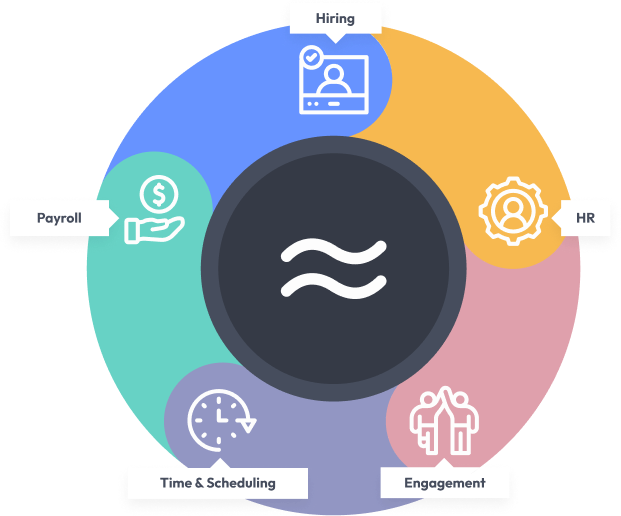

Hiring
Hire better quality workers, faster

HR
Streamline people processes and ensure employee records are always accurate

Engagement
Reduce turnover and increase worker engagement

Time & Scheduling
Manage schedules and hours worked to optimize your labor costs

Payroll
Pay your team quickly, easily, and accurately
resources
Become a hiring and onboarding expert.


Be smart with your hourly workforce
