



How to Hire Mental Health Workers: Step-by-Step Guide for Small Businesses and Clinics
Discover the best practices to hire mental health workers, from crafting job postings to onboarding top talent, and build a supportive, effective team for your organization.

How to Hire Mental Health Workers: A Practical Guide for Small Business Owners
Hiring the right people to support your clients’ mental health needs is no walk in the park. If you’re a small business owner or a franchisee running a behavioral health clinic, a group home, or even a school-based support program, you know that finding and keeping top-notch mental health professionals can feel like trying to catch lightning in a bottle. But don’t worry—while the stakes are high, the process doesn’t have to be overwhelming. Let’s break down what it takes to hire mental health workers who will help your business and community thrive.
Why Hiring the Right Mental Health Staff Matters
Before we get into the nuts and bolts, let’s talk about why this matters so much. The right team can make or break your organization’s reputation, client outcomes, and even your bottom line. High turnover and burnout are rampant in this field, and the cost of losing a trained therapist or counselor can be staggering—sometimes up to 200% of their annual salary, according to Harvard Business Review research. Not to mention, every time you lose someone, you risk gaps in care and a drop in morale among the remaining staff.
So, what’s the secret sauce? It’s all about finding people who are not just qualified, but also passionate and resilient. And honestly, isn’t that what every client deserves?
Building a Smart Recruitment Process for Mental Health Professionals
Crafting the Perfect Job Description
Let’s start with the basics: your job description. This is your first impression, and it’s got to be spot-on. Highlight not just the required licenses and degrees, but also your workplace culture, flexibility, and growth opportunities. For inspiration, check out these job posting examples designed to attract quality hourly workers.
Don’t forget to clearly outline the specific roles you’re hiring for—whether you need to hire a therapist, a counselor, or mental health support staff. Transparency up front saves headaches later.
Where to Find Candidates
- Leverage niche job boards and professional associations. Sites like Monster and local mental health networks are gold mines.
- Don’t underestimate the power of social media. Platforms like Instagram for hiring can help you reach younger professionals and recent grads.
- Referrals are your secret weapon. Encourage your current staff to recommend candidates. According to Workstream’s guide on committed employees, referrals often yield the best hires.
Screening and Interviewing: More Than Just Checking Boxes
When you hire behavioral health staff, soft skills matter just as much as credentials. Use behavioral interview techniques to assess empathy, adaptability, and stress management. For a deeper dive, explore motivational interviewing tips and cultural fit questions to ensure your candidates align with your mission and values.
And here’s the thing: don’t rush. A little extra time spent now can save you months of frustration down the road.
Onboarding and Retaining Your Mental Health Staff
Streamlining Onboarding for Success
Once you’ve made your hire, a smooth onboarding process is key. Use digital tools to automate paperwork and training—saving time for both you and your new team member. If you’re looking for a shortcut, these onboarding templates can help you create a welcoming and efficient experience.
And don’t forget compliance. The mental health sector is heavily regulated, so make sure you’re up to speed with recordkeeping requirements and confidentiality laws. If you’re unsure, consult with a legal expert—better safe than sorry!
Reducing Turnover and Burnout
Retention is where many businesses stumble. The emotional toll of mental health work is real, and burnout is a constant threat. To keep your team engaged:
- Offer meaningful benefits—think mental health days, flexible schedules, and professional development. According to DoorDash’s research on benefits, perks play a big role in recruitment and retention.
- Foster a supportive culture. Regular check-ins, peer support, and open communication go a long way. For more, see the impact of work-life balance on engagement.
- Invest in ongoing training. Not only does it keep skills sharp, but it also shows your commitment to staff growth. Check out effective training techniques for ideas.
Honestly, if you’re not investing in your people, you’re missing the point—and probably bleeding money, too. Just saying.
Leveraging Technology to Simplify Mental Health Support Staff Hiring
The Power of Automation
Let’s face it: paperwork, scheduling, and compliance can eat up your day. That’s where platforms like Workstream shine. With features like hiring automation, digital onboarding, and integrated payroll, you can cut your admin time in half and focus on what matters—building relationships and supporting your team.
Workstream’s mobile-first approach is especially handy for busy managers. Imagine sending out interview invites via text, getting instant responses, and tracking everything in one place. That’s not just convenient—it’s a game-changer for mental health support staff hiring.
And if you’re worried about cost, consider this: replacing seven separate tools with one platform can save you up to $30,000 a year. Not bad, right?
Staying Ahead of Compliance
Most small businesses dread compliance audits, but digital systems make it easier to stay organized and avoid costly mistakes. Automated reminders and document storage help you keep up with credential renewals and background checks—no more sticky notes or lost files. For more on compliance, see this HRIS certification guide.
Common Pitfalls and How to Avoid Them
- Rushing the process: Desperate hires rarely work out. Take your time and use structured interviews.
- Neglecting culture fit: Skills matter, but attitude and values are non-negotiable. Use cultural fit questions to dig deeper.
- Ignoring burnout warning signs: Regular check-ins and open conversations can help you spot issues before they become crises.
- Forgetting about technology: Manual processes slow you down and increase errors. Consider platforms like Workstream to streamline your workflow.
And if you ask me, the best leaders are the ones who learn from their mistakes—and aren’t afraid to try something new.
Conclusion: Building a Resilient, Compassionate Team
To hire mental health professionals who will stick around and make a difference, you need a mix of clear communication, thoughtful screening, and a supportive workplace. Invest in your people, embrace technology, and always keep your mission front and center. It’s not always easy, but it’s worth it—both for your business and the clients you serve.
Ready to make your next hire? Explore Workstream’s therapist hiring tools and see how you can transform your recruitment process today.
Further Reading from Workstream
- Discover onboarding templates for a great new hire experience
- Learn about Workstream’s all-in-one HR platform
- See how hiring automation can speed up your process
- Explore HRIS certification and tech trends
- Contact Workstream for more support
.svg)


All your important HR tasks under one roof
Today’s business owners and HR teams are overwhelmed with administrative tasks: manual processes and exports, duplicative data entry, and siloed information. Workstream centralizes and simplifies people tasks so you can move fast, reduce labor costs, and simplify operations—all in one place.
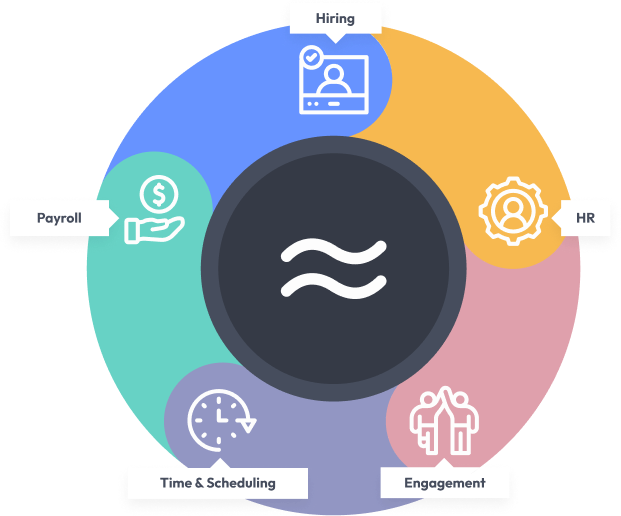

Hiring
Hire better quality workers, faster

HR
Streamline people processes and ensure employee records are always accurate

Engagement
Reduce turnover and increase worker engagement

Time & Scheduling
Manage schedules and hours worked to optimize your labor costs

Payroll
Pay your team quickly, easily, and accurately
resources
Become a hiring and onboarding expert.


Be smart with your hourly workforce
