



How to Hire Mental Health Therapists: Practical Steps for Small Business Owners
Discover the best practices to hire mental health therapists, from job posting to onboarding, and build a skilled, compassionate team for your organization.

How to Hire Mental Health Therapists: A Practical Guide for Small Business Owners
Let’s be honest—figuring out how to hire mental health therapists in a competitive market feels a bit like trying to find a needle in a haystack, only the haystack is on fire and the needle keeps moving. Whether you’re running a growing clinic, a community health center, or a school-based program, the pressure is real. There’s demand for quality care, compliance hoops to jump through, and, let’s not forget, the challenge of keeping your own team happy and engaged. If you ask me, the right approach can make all the difference. Let’s walk through the essentials, with a few digressions and stories along the way, because, well, that’s how real life works.
Why Hiring Mental Health Therapists Is So Challenging (And Rewarding)
First off, hiring for these roles isn’t like recruiting for your average desk job. You’re not just looking for credentials—you need empathy, resilience, and a knack for building trust. The stakes are high, and so are the expectations. According to industry research, turnover in healthcare and mental health can be costly, both financially and emotionally. The right therapist can transform lives, but the wrong fit? That’s a headache for everyone involved.
And here’s the kicker: employee turnover in healthcare settings can cost thousands per hire, not to mention the impact on your clients. So, what’s a small business owner to do?
Understanding the Landscape: What Makes a Great Mental Health Therapist?
- Credentials and Licensing: Make sure your candidates meet all state and federal requirements. For a quick refresher, check out the Department of Labor’s guidelines.
- Soft Skills Matter: Empathy, communication, and adaptability are non-negotiable. According to recent studies, work-life balance and flexibility are top drivers of engagement for therapists.
- Cultural Fit: Don’t underestimate the power of a good cultural fit. A therapist who aligns with your organization’s values will stick around longer and deliver better care. If you need help with interview questions, here’s a guide on cultural fit interview questions.
Building a Recruitment Strategy That Works
Now, let’s talk nuts and bolts. Therapist recruitment isn’t just about posting a job ad and hoping for the best. It takes planning, persistence, and a little creativity—think of it as assembling a winning sports team, not just filling a roster.
Step 1: Write a Compelling Job Description
A well-crafted job posting is your first impression. Highlight not just the requirements, but also the perks and growth opportunities. For inspiration, check out these job posting examples and creative tips to make your opening stand out. Don’t forget to mention benefits—benefits packages play a huge role in attracting top talent, even outside the restaurant world.
Step 2: Source Candidates Where They Are
- Leverage Professional Networks: Platforms like LinkedIn, Indeed, and specialty job boards for mental health professionals are a must. For tips on using social media smartly, see how to use Instagram for hiring.
- Employee Referrals: Your current staff can be your best recruiters. Consider setting up a referral program—here’s a toolkit on designing one.
- Community Outreach: Partner with local universities, training programs, and professional associations. The more visible you are, the more likely you are to attract passionate candidates.
Step 3: Screen and Interview Like a Pro
Screening for mental health staffing is about more than just ticking boxes. Use behavioral interview techniques and scenario-based questions to assess how candidates handle real-world challenges. For a deep dive into motivational interviewing, check out these proven techniques.
Automated screening tools can save you hours—Workstream’s hiring automation features, for example, help you filter candidates quickly and fairly, so you spend less time on paperwork and more time connecting with the right people.
Compliance, Onboarding, and Retention: Don’t Drop the Ball
Let’s not sugarcoat it—compliance is a bear. Between background checks, credential verification, and privacy regulations, there’s a lot to manage. But skipping steps can land you in hot water, both legally and reputationally. If you’re not sure what records to keep, the Department of Labor has a handy checklist.
Onboarding: Setting Therapists Up for Success
Onboarding isn’t just about paperwork. It’s about helping new hires feel welcome, supported, and ready to hit the ground running. A smooth onboarding process can reduce turnover by up to 50%—seriously, that’s a game-changer. For practical templates, see these onboarding templates. And if you’re curious about how big brands do it, here’s how Workstream supports onboarding for hourly roles.
Retention: Keeping Your Therapists Happy (and Employed)
- Offer Competitive Pay and Benefits: According to industry reports, compensation is still king, but flexible schedules and professional development matter too.
- Foster a Supportive Culture: Regular check-ins, mentorship, and opportunities for growth go a long way. For more on engagement, see this Harvard Business Review article.
- Use Technology to Reduce Burnout: Tools like Workstream’s HR and payroll platform can automate repetitive tasks, freeing up your therapists to focus on client care. That’s not just good for business—it’s good for people.
Common Pitfalls and How to Avoid Them
Even the best-laid plans can go sideways. Maybe you rush the process and hire someone who’s not the right fit. Or you forget to check a license and end up with compliance headaches. Or, honestly, you just get overwhelmed by the sheer volume of paperwork. Here’s how to sidestep the biggest traps:
- Don’t Skip Reference Checks: A glowing resume isn’t enough—always verify past performance and credentials.
- Stay on Top of Compliance: Use digital tools to track licenses, certifications, and renewals. The Workstream platform helps keep everything organized and up to date.
- Invest in Ongoing Training: The field changes fast. Regular training keeps your team sharp and engaged. For effective training tips, see this guide.
Conclusion: The Human Side of Therapist Recruitment
At the end of the day—wait, scratch that, let’s say when all’s said and done—the secret to hiring mental health professionals isn’t just about process. It’s about people. It’s about building a team that cares, supports each other, and shows up for your clients. Sure, you need the right tools and strategies (and, if you ask me, a little help from platforms like Workstream never hurts). But don’t lose sight of the human element. After all, that’s what this work is really about.
Ready to take your therapist recruitment to the next level? Explore more about hiring automation, Workstream’s HR platform, and practical tips for onboarding and employee retention. And if you’re curious about how others are making it work, check out our restaurant hiring guide—because sometimes, the best ideas come from unexpected places.
.svg)


All your important HR tasks under one roof
Today’s business owners and HR teams are overwhelmed with administrative tasks: manual processes and exports, duplicative data entry, and siloed information. Workstream centralizes and simplifies people tasks so you can move fast, reduce labor costs, and simplify operations—all in one place.
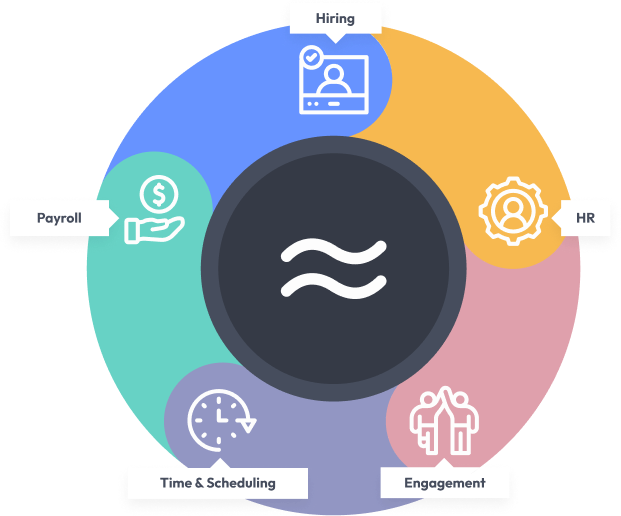

Hiring
Hire better quality workers, faster

HR
Streamline people processes and ensure employee records are always accurate

Engagement
Reduce turnover and increase worker engagement

Time & Scheduling
Manage schedules and hours worked to optimize your labor costs

Payroll
Pay your team quickly, easily, and accurately
resources
Become a hiring and onboarding expert.



Be smart with your hourly workforce
