



How to Hire Project Managers: Step-by-Step Guide to Find and Recruit Top Talent for Your Team
Learn effective strategies to hire project managers for your restaurant, from writing job descriptions to onboarding top talent, with our comprehensive step-by-step guide.

How to Hire Project Managers: Your Guide to Building a Winning Team
If you run a small business, franchise, or restaurant, you know the right project manager can be the glue that holds your operation together. But let’s be real—figuring out how to hire project managers who are both skilled and a good fit? That’s a challenge that keeps even the savviest owners up at night. So, how do you cut through the noise and actually recruit project managers who’ll drive your business forward? Let’s walk through it, with a few side notes and some practical advice you can use right away.
Why Project Managers Matter (And Why It’s So Hard to Find the Right One)
Project managers are the quarterbacks of your business—they call the plays, keep the team moving, and make sure nothing falls through the cracks. Yet, turnover in management is a real headache, especially in industries where hourly work and shifting priorities are the norm. If you ask me, a great project manager isn’t just about certifications or technical skills—they need grit, people skills, and a knack for juggling competing demands.
The Cost of Getting It Wrong
Let’s not sugarcoat it: hiring the wrong project leader can cost you big. According to industry research, high turnover can drain your bottom line, slow down your projects, and even hurt your reputation. And in the restaurant world, turnover rates are notoriously high—so you want someone who can stick around and make an impact.
What Makes a Project Manager Stand Out?
- Communication: Can they keep everyone in the loop, from the kitchen to the boardroom?
- Adaptability: Are they cool under pressure, even when the fryer’s on the fritz or the schedule’s a mess?
- Leadership: Do they inspire trust and motivate the team, or do people duck when they walk in?
- Tech Savvy: Can they use digital tools to streamline workflows? (Hint: platforms like Workstream make this a breeze.)
Step-by-Step: How to Recruit Project Managers Who Deliver
1. Write a Job Description That Gets Noticed
First impressions count. Your job post should be clear, honest, and highlight what makes your business unique. Need inspiration? Check out these job posting examples and creative tips to make your listing stand out. And don’t forget to call out benefits—studies show that benefits packages are a big draw for top talent.
2. Source Candidates Where They Actually Are
Gone are the days when a “Help Wanted” sign in the window did the trick. Today, you’ll find project management talent on platforms like Indeed, Instagram, and even Craigslist. If you’re feeling a bit old-school, that’s okay—just make sure your process is digital-friendly. Mobile-first platforms like Workstream help you reach candidates fast and keep them engaged.
3. Screen for Skills—and for Fit
Sure, you want someone who knows their way around a Gantt chart, but don’t overlook soft skills. Use motivational interviewing techniques and cultural fit questions to see if they’ll mesh with your team. And if you’re pressed for time, automated screening tools can save you hours—some platforms even reduce time-to-hire by half.
4. Move Fast, but Don’t Rush
Top candidates don’t wait around. Automated scheduling and digital onboarding (think onboarding templates) help you keep things moving. But don’t skip steps—reference checks and trial projects can reveal a lot about a candidate’s work style and reliability.
Project Management Recruitment: Avoiding Common Pitfalls
Don’t Chase Unicorns
It’s tempting to look for a “perfect” project manager who can do it all. But honestly, you’re better off focusing on must-have skills and a willingness to learn. As this Harvard Business Review piece points out, hiring for attitude and training for skill can pay off big time.
Stay Compliant (and Save Yourself Headaches)
Recordkeeping and compliance are non-negotiable. The Department of Labor has guidelines you’ll want to follow, and digital HR platforms like Workstream can help you stay organized and avoid costly mistakes. Did you know that automating compliance tasks can save you up to $25,000 a year in lawsuits and fees? That’s not pocket change.
Don’t Ignore Onboarding
Even the best hire can flop without a solid onboarding process. Studies show that structured onboarding boosts retention and productivity. If you’re short on time, digital onboarding solutions can cut the process from hours to minutes—giving your new project leader a smooth start.
Finding and Retaining Project Management Talent: What Really Works?
Offer What Matters Most
It’s not just about salary. Flexible schedules, growth opportunities, and a positive work culture go a long way. For example, offering meaningful career paths and work-life balance are proven ways to attract and keep top project managers.
Use Technology to Your Advantage
Let’s face it: managing schedules, payroll, and compliance manually is a recipe for burnout. Platforms like Workstream replace seven separate tools, reduce HR costs by 50%, and give you time back to focus on your people. If you’re still juggling spreadsheets, it might be time for an upgrade.
Keep an Eye on Engagement
Engaged project managers stick around longer and deliver better results. According to Harvard Business Review, engagement is key to reducing turnover and boosting business performance. Regular check-ins, clear goals, and recognition all help—sometimes, it’s the little things that matter most.
Conclusion: Building Your Project Management Dream Team
Hiring project managers isn’t just about filling a seat. It’s about finding someone who can lead, adapt, and help your business thrive—whether you’re running a burger joint in the Midwest or a fast-growing franchise on the coast. Remember, the right tools (like Workstream) and a thoughtful approach to project management recruitment can make all the difference. And if you ever feel stuck, just remember: every great team started with one good hire. Why not make yours today?
Further Reading and Resources
- Check out more on restaurant hiring strategies if your business is in food service.
- Explore traits of committed employees to help you spot your next project leader.
- For a deeper dive into HR tech and analytics, see this guide.
- Curious about how digital onboarding works? Here’s a look at onboarding templates that save time and hassle.
- For more about how Workstream can help, visit the Workstream platform overview.
.svg)


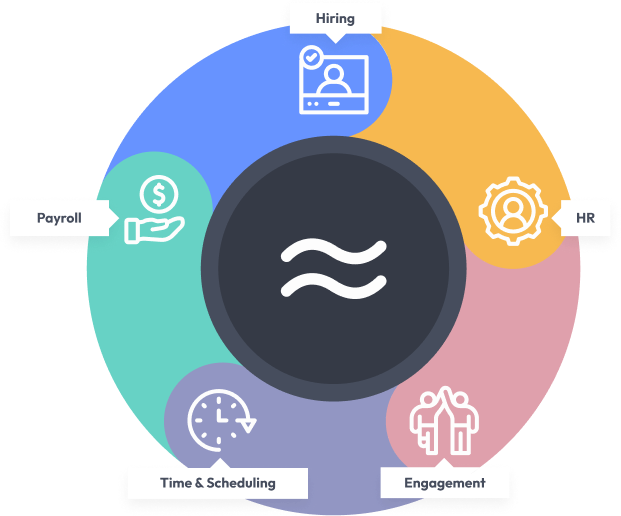
All your important HR tasks under one roof
Today’s business owners and HR teams are overwhelmed with administrative tasks: manual processes and exports, duplicative data entry, and siloed information. Workstream centralizes and simplifies people tasks so you can move fast, reduce labor costs, and simplify operations—all in one place.

Hiring
Hire better quality workers, faster

HR
Streamline people processes and ensure employee records are always accurate

Engagement
Reduce turnover and increase worker engagement

Time & Scheduling
Manage schedules and hours worked to optimize your labor costs

Payroll
Pay your team quickly, easily, and accurately
resources
Become a hiring and onboarding expert.

Be smart with your hourly workforce
