



How to Hire Sales Representatives: Step-by-Step Guide to Building a Top Sales Team
Learn effective strategies to hire sales representatives, from sourcing top talent to onboarding, and build a high-performing sales team for your restaurant’s success.

How to Hire Sales Representatives: Building a Winning Sales Team for Your Business
Let’s be honest—figuring out how to hire sales representatives who can truly move the needle for your business isn’t just a checkbox on your to-do list. It’s the engine that drives revenue, customer relationships, and—if you get it right—a whole lot less stress for you and your managers. But what does it really take to hire sales reps who’ll stick around and deliver? Let’s roll up our sleeves and dig in.
Why Hiring the Right Sales Representatives Matters
Ever heard the saying, “A good salesperson can sell ice to an Eskimo?” Well, that’s a bit much, but the spirit rings true. The right sales reps don’t just fill seats—they build your bottom line. According to industry research, losing a front-line employee can cost thousands in lost productivity and rehiring efforts. And in the world of small business, that’s money you just can’t afford to throw away.
But it’s not just about dollars and cents. High turnover can poison team morale, disrupt customer relationships, and make your business feel like it’s stuck in a revolving door. If you ask me, investing in a smart, streamlined sales team recruitment process pays off in more ways than one.
What Makes a Great Sales Rep?
- Strong communication and listening skills
- Resilience and adaptability (because, let’s face it, rejection happens)
- Curiosity and a hunger to learn about your products and customers
- Integrity and trustworthiness—no one likes a pushy, dishonest pitch
For more on what makes a standout employee, check out these five traits of committed employees.
Step-by-Step: How to Hire Sales Representatives Who Deliver
1. Define Your Ideal Candidate
Before you even post that job ad, get specific about what you need. Are you looking for someone who’s a hunter, always chasing new leads? Or a farmer, nurturing existing accounts? Maybe you need a bit of both. Use clear, compelling job descriptions that outline not just the tasks, but the personality and values that fit your culture. And don’t forget to highlight benefits in your job postings—it’s a game changer for attracting top talent.
2. Source Candidates Where They Are
Your next superstar might be scrolling through Instagram or browsing Indeed. Don’t limit yourself to one channel—use a mix of job boards, referrals, and even social media. For creative inspiration, these recruitment ads might spark some ideas.
- Leverage employee referrals for trustworthy leads (see more on referral programs)
- Consider local job fairs or industry events
- Use mobile-friendly platforms like Workstream to reach candidates on the go
3. Screen and Interview for Skills—And Attitude
Honestly, you can train product knowledge, but you can’t teach grit or empathy. Use structured interviews and motivational interviewing techniques to dig into real-world scenarios. Ask about times they’ve bounced back from a tough loss or turned a “no” into a “yes.” For more on interviewing for culture fit, these questions are a good place to start.
And if you want to get fancy, pre-employment assessments (like those from eSkill) can help you objectively measure key traits.
4. Onboard and Train for Success
So you’ve found your new hire—now what? Don’t just toss them the playbook and hope for the best. A smooth, digital onboarding experience sets the tone for long-term success. Automated reminders, mobile document signing, and clear training plans help new reps hit the ground running. If you’re curious about why onboarding matters, this article breaks it down nicely.
5. Retain and Motivate Your Sales Team
Here’s the thing: hiring is just the beginning. Keeping great sales reps engaged means offering competitive pay, meaningful benefits, and growth opportunities. The impact of benefits on recruitment and retention is well-documented—don’t overlook it. And if you’re wondering what really makes employees happy, this survey has some eye-opening insights.
Common Pitfalls (and How to Dodge Them)
Even seasoned pros can trip up when trying to find sales team members who stick. Here are a few gotchas to watch for:
- Rushing the process—desperation hires rarely pan out
- Ignoring cultural fit (it’s not just a buzzword, it’s a retention strategy)
- Neglecting ongoing training and feedback
- Failing to adapt your process as your business grows
For a deeper look at why turnover is so high in sales and hospitality, don’t miss this breakdown and this industry feature. And if you want to see how one company keeps turnover “absurdly low,” here’s a great story.
How Workstream Can Help You Hire and Retain Sales Representatives
Now, I’m not saying Workstream is the only answer, but if you’re looking to recruit sales representatives faster and smarter, it’s worth a look. With features like automated screening, digital onboarding, and integrated scheduling, you can cut your time-to-hire in half and reduce costly turnover. Plus, you can manage everything from your phone—because who has time to be chained to a desk?
Workstream’s platform is designed for hourly and deskless teams, making it a natural fit for businesses that rely on sales reps out in the field. And if you’re curious about how other businesses are using technology to boost hiring and retention, check out these real-world customer stories.
Extra Resources for Sales Team Recruitment
- Digital recruiting strategies for modern businesses
- How much does an employee cost?
- 2023 Recruitment Marketing Benchmark Report
- What companies can do better for hourly workers
- Impact of work-life balance on engagement
- Causes of turnover in hospitality
- The real cost of employee turnover
- How to fix high employee turnover
- Impact of benefits on hiring
- How to engage and retain young hourly workers
- High turnover costs more than you think
- Activating line managers for better performance
- Reducing turnover through retention strategies
- Coordinated approach to absence management
- Salary increases and variable pay
- Renewed focus on employee well-being
- What makes restaurant employees happy
- How turnover is affecting the industry
- Employee retention strategies for the new world of work
- Efficient ways to tackle turnover
Conclusion: Your Sales Team, Your Secret Weapon
Building a high-performing sales team isn’t about luck—it’s about having a repeatable, people-first process. From writing clear job ads to onboarding with care, every step matters. And with tools like Workstream’s HR and payroll platform, you can spend less time on paperwork and more time coaching your team to win.
Ready to take the next step? Explore more about Workstream’s approach to hiring and onboarding, or browse their job posting examples for inspiration. And if you’re curious about how other businesses are thriving, don’t miss these success stories and tips for building a great team.
Because when you hire sales representatives the right way, you’re not just filling a seat—you’re fueling your business for the long haul. Isn’t that what we’re all after?
.svg)


All your important HR tasks under one roof
Today’s business owners and HR teams are overwhelmed with administrative tasks: manual processes and exports, duplicative data entry, and siloed information. Workstream centralizes and simplifies people tasks so you can move fast, reduce labor costs, and simplify operations—all in one place.
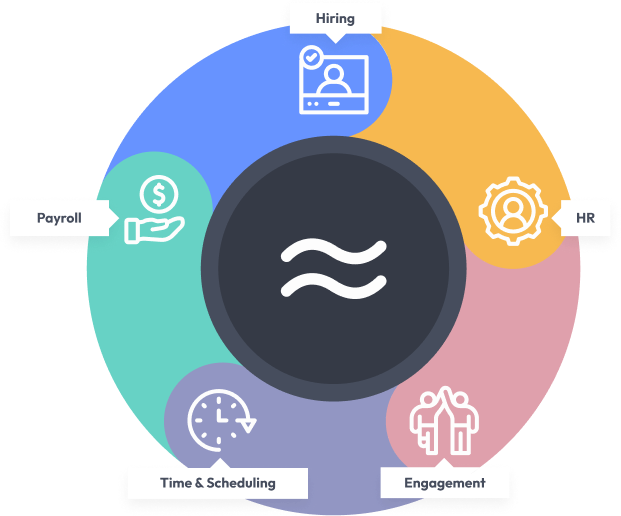

Hiring
Hire better quality workers, faster

HR
Streamline people processes and ensure employee records are always accurate

Engagement
Reduce turnover and increase worker engagement

Time & Scheduling
Manage schedules and hours worked to optimize your labor costs

Payroll
Pay your team quickly, easily, and accurately
resources
Become a hiring and onboarding expert.



Be smart with your hourly workforce
