



How to Hire Case Managers: Streamline Your Hiring Process for Case Management Success
Streamline how you hire case managers with Workstream’s mobile-first platform—automate recruitment, onboarding, and compliance to build a stronger, more connected case management team.

How to Hire Case Managers: A Practical Guide for Small Business Owners
Hiring case managers isn’t just about filling a seat—it’s about finding the right people who can balance empathy, organization, and a healthy dose of grit. Whether you’re a franchisee running a tight ship or a local HR lead juggling a million things at once, the process to hire case managers can feel like threading a needle in a haystack. But let me walk you through it—no jargon, just real talk and actionable steps.
The Case Manager Role: More Than Meets the Eye
If you ask me, the term “case manager” hardly does justice to the hustle these professionals bring. They’re part social worker, part project manager, part crisis negotiator—sometimes all in one day. That’s why recruiting case managers takes more than a quick scan of resumes. You need to know what you’re looking for, and why it matters for your team and your community.
What Makes a Great Case Manager?
- Empathy and Communication: They must connect with clients, coworkers, and outside agencies. If they can’t build trust, the job gets ten times harder.
- Organizational Skills: Juggling cases, deadlines, and documentation is the name of the game. Forgetting details? That’s a recipe for disaster.
- Problem-Solving Chops: Every day brings new challenges—sometimes wild ones. Flexibility and quick thinking are essential.
For more on what makes teams click, check out these insights on improving teamwork in the workplace.
Building Your Pipeline: How to Recruit Case Managers (and Social Workers)
Let’s be honest: finding top talent for case management roles isn’t as easy as posting on Craigslist and hoping for the best. You’ll need a mix of smart sourcing, compelling job ads, and a little creativity.
Where to Find Candidates?
- Social Work Recruitment Platforms: Tap into specialized job boards and networks—think beyond LinkedIn. And don’t underestimate Facebook groups or local college career centers.
- Referrals: Your current staff may know great people looking for their next move. Incentivize referrals if you can—it’s often worth every penny.
- Community Events: Job fairs and nonprofit events can yield hidden gems who aren’t actively job hunting but are open to new opportunities.
If you’re looking for inspiration on crafting standout job ads, take a peek at these job posting examples. And if you want to know what perks really matter to hourly workers, this DoorDash report on benefits and retention is packed with insights.
Sourcing Social Workers: A Special Note
The process to hire social workers overlaps with case management but comes with its own quirks. Licensing requirements vary by state, so always double-check credentials. For more detail on compliance and credentialing, visit Fisher Phillips’ employment law resources.
The Interview Process: Screening for Heart and Hustle
You’ve got applicants—now what? The interview is your chance to spot those who’ll thrive in your unique environment. But here’s the thing: technical skills matter, but attitude and adaptability are non-negotiable.
What Questions Should You Ask?
- Scenario-Based Questions: “Tell me about a time you had to de-escalate a tense situation.” You want stories, not hypotheticals.
- Cultural Fit: Do they align with your mission? For tips on assessing this, check out these cultural fit interview questions.
- Motivational Interviewing: Can they inspire change in others? Brush up on techniques with this guide to motivational interviewing.
If you want to get even more structured, the STAR method guide is a lifesaver for behavioral interviews.
Onboarding & Retention: Setting Up Your Case Management Staff for Success
You’ve made an offer—congrats! But don’t kick back just yet. The first few weeks are make-or-break for new hires (and for your turnover stats). A strong onboarding process helps new case managers feel supported from day one.
The Power of Seamless Onboarding
- Automate Paperwork: Digital onboarding tools save time and reduce errors. If you’re still using paper forms, honestly, it’s time for an upgrade. See how platforms like Workstream’s hiring automation can help.
- Mentorship Matters: Pair newbies with experienced staffers. It builds confidence and camaraderie—two things you can’t fake.
- Clear Expectations: Set goals early and check in often. For templates and checklists that actually work, try these onboarding templates.
If you want to see how onboarding impacts retention (and your bottom line), read this research on getting employee onboarding right.
A Word on Compliance (Don’t Skip This!)
This isn’t legal advice—always consult your attorney or HR pro—but make sure you’re up to speed on background checks, confidentiality agreements, and wage-hour rules. For more on recordkeeping, the Department of Labor has a handy guide on wage recordkeeping requirements.
A Few Pitfalls—and How to Dodge Them
- Poor Job Descriptions: Vague postings attract vague candidates. For help getting specific, see these job description tips from JAN.
- Inefficient Scheduling: Overlap shifts or last-minute changes drive good staff away. Consider using digital scheduling tools from platforms like
- Lack of Feedback: If your team doesn’t know how they’re doing, they’ll leave (or worse—they’ll stay but disengage). Regular check-ins make all the difference.
If you’re worried about high turnover (and who isn’t?), this piece on the real cost of employee turnover is eye-opening. And if you want practical retention strategies, see SHRM’s advice on reducing turnover through robust retention strategies.
The Workstream Advantage: Why Automation Changes Everything
I’d be remiss not to mention how technology can lighten your load. Platforms like Workstream’s all-in-one HR suite are built for hourly businesses—and yes, that includes case management teams. With features like automated screening, digital onboarding, and mobile scheduling, you can cut your time-to-hire in half and reduce turnover by up to 50%. That’s not just marketing fluff; it’s backed by data from real users across industries.
If you’re curious about how automation can streamline your entire process—from job posting to payroll—learn more about Workstream here.
The Bottom Line: Hire Case Managers Who Make a Difference
At the end of the day (whoops—old habit), hiring case managers is about building trust with your clients and your team. It takes patience, persistence, and a willingness to adapt. Use smart tools, lean into your network, and never underestimate the value of a warm welcome for new hires. If you get it right? Your business—and your community—will thank you.
Further Reading & Resources
.svg)


All your important HR tasks under one roof
Today’s business owners and HR teams are overwhelmed with administrative tasks: manual processes and exports, duplicative data entry, and siloed information. Workstream centralizes and simplifies people tasks so you can move fast, reduce labor costs, and simplify operations—all in one place.
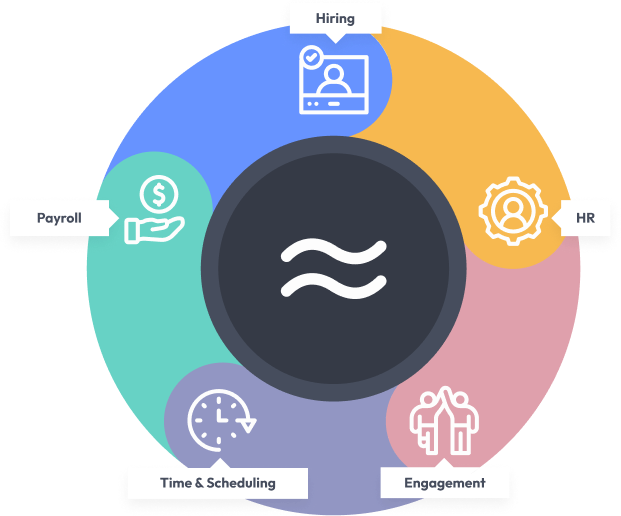

Hiring
Hire better quality workers, faster

HR
Streamline people processes and ensure employee records are always accurate

Engagement
Reduce turnover and increase worker engagement

Time & Scheduling
Manage schedules and hours worked to optimize your labor costs

Payroll
Pay your team quickly, easily, and accurately
resources
Become a hiring and onboarding expert.



Be smart with your hourly workforce
