



How to Hire Therapeutic Support Staffs: Proven Steps to Find, Recruit, and Retain Top Talent
Discover proven strategies to hire therapeutic support staffs efficiently. Learn key steps, best practices, and tips to build a qualified team for your organization.

How to Hire Therapeutic Support Staffs: A Practical Guide for Small Businesses
Let’s be honest—figuring out how to hire therapeutic support staffs can feel a bit like assembling IKEA furniture without the manual. You know what you want, but the path to getting there? Not always so clear. Whether you’re running a behavioral health clinic, a school, or a community center, finding and keeping the right therapy support team is crucial. And if you ask me, it’s not just about filling seats; it’s about building a culture that helps both your clients and your business thrive.
The Basics: What Makes a Great Therapeutic Support Staff?
Before you even post that job ad, it’s important to know what you’re looking for. Sure, credentials matter, but so does attitude, reliability, and a knack for connecting with people. According to research on low turnover, hiring for attitude and training for skill can make all the difference—especially in roles where empathy and patience are non-negotiable.
Key Qualities to Seek
- Empathy and Communication: Therapy workers need to build trust with clients and colleagues alike. It’s not just about following a treatment plan—it’s about listening and responding to needs in the moment.
- Adaptability: Every day is different. Staff should be comfortable with change and ready to adjust on the fly.
- Relevant Certifications: Depending on your state or field, certain certifications or trainings might be required. Don’t skip this step—compliance is key.
If you’re new to therapy staff recruitment, creating a solid employee handbook can help clarify expectations and set the tone from day one.
Recruitment Strategies That Actually Work
Let’s face it, posting on the big job boards is just the beginning. To really recruit therapeutic support staff who stick around, you’ll need a multi-pronged approach—think fishing with a net, not a single line. And yes, technology can make this a whole lot easier.
Modern Tools and Tactics
- Leverage Social Media: Platforms like Instagram and Facebook aren’t just for cat videos. They’re where your next great hire might be hanging out. Check out these Instagram hiring tips for inspiration.
- Automate Where You Can: Using a platform like Workstream lets you automate screening, interview scheduling, and onboarding—so you can focus on the human side of things.
- Write Compelling Job Descriptions: Don’t just list duties. Highlight growth opportunities, benefits, and your commitment to work-life balance. For more on this, see tips for calling out benefits.
- Tap Into Referrals: Your current team knows what it takes to succeed. Encourage them to refer friends or colleagues—they’re your best recruiters.
And if you’re wondering how to stand out in a crowded market, the impact of benefits on recruitment can’t be overstated. Even small perks can tip the scales for candidates deciding between you and the competition.
Interviewing and Onboarding: Getting It Right from the Start
So, you’ve got a stack of resumes. Now what? Interviewing for therapy support team roles is about more than just checking boxes. It’s about finding people who mesh with your culture and genuinely care about your mission.
Interview Tips for Therapy Staff Recruitment
- Behavioral Questions: Ask about real-life scenarios—how would they handle a client in crisis, or a disagreement with a coworker? This gives you a window into their problem-solving skills and temperament. For more, check out these cultural fit interview questions.
- Panel Interviews: Bring in colleagues from different departments. It’s a great way to see how candidates interact with a variety of personalities.
- Assess Soft Skills: Technical know-how is important, but so is the ability to connect and communicate. Sometimes, a gut feeling goes a long way—don’t ignore it.
Once you’ve made your pick, onboarding is where you set the tone for retention. A smooth, digital onboarding process—like the one you’ll find with Workstream—can cut hours off paperwork and help new hires feel welcome from day one. For more onboarding ideas, see how to get employee onboarding right.
Retention: Keeping Your Therapy Support Team Happy
Here’s the thing: recruitment is only half the battle. Keeping your therapy support team engaged and motivated is where the real work begins. High turnover doesn’t just hurt morale—it hits your bottom line hard. According to turnover studies in hospitality, the cost of losing a single employee can be staggering.
What Drives Retention?
- Clear Communication: Regular check-ins, open feedback, and a transparent work environment go a long way. For more on engagement, see how to improve engagement and retention.
- Professional Development: Offer training, mentorship, or even just the chance to try new roles. People want to grow, not just clock in and out.
- Flexible Scheduling: Life happens. If you can offer some wiggle room, you’ll attract and keep better staff. For a look at how this plays out, read about schedule control at Gap.
- Recognition: Don’t underestimate the power of a simple thank you. Celebrating milestones, like a 10-year work anniversary, can foster loyalty.
And let’s not forget compliance. Keeping up with recordkeeping requirements and making sure your staff are properly classified is non-negotiable. Mistakes here can cost you big—sometimes up to $25K a year in lawsuits and fees, according to industry data.
Common Pitfalls and How to Avoid Them
Even with the best intentions, it’s easy to stumble. Here are a few traps to watch out for when you recruit therapy workers:
- Rushing the Process: Desperation hires rarely work out. Take your time to find the right fit.
- Ignoring Culture: Skills can be taught; attitude and values can’t. Make sure your hires align with your mission.
- Poor Onboarding: A rocky start can lead to early exits. Streamline paperwork and training with digital tools like Workstream.
- Neglecting Feedback: If you’re not asking for input, you’re missing out. Regularly check in with your team and be ready to make changes.
For a deeper dive on turnover costs and solutions, check out employee turnover and your bottom line and turnover in the restaurant industry—the lessons translate surprisingly well to therapy settings.
Conclusion: Build for the Long Haul
At the end of the day (wait, scratch that—let’s say “when the dust settles”), hiring and keeping a top-notch therapy support team is about more than plugging holes in your schedule. It’s about creating a workplace where people want to stay, grow, and do their best work. And honestly, that’s what keeps your business humming along, no matter what curveballs come your way.
If you’re ready to make your next hire, consider streamlining your process with a platform built for hourly and support roles. Workstream’s all-in-one HR suite can help you cut your time-to-hire in half, reduce turnover, and keep your team connected—so you can focus on what matters most: your clients and your community.
Further Reading from Workstream
.svg)


All your important HR tasks under one roof
Today’s business owners and HR teams are overwhelmed with administrative tasks: manual processes and exports, duplicative data entry, and siloed information. Workstream centralizes and simplifies people tasks so you can move fast, reduce labor costs, and simplify operations—all in one place.
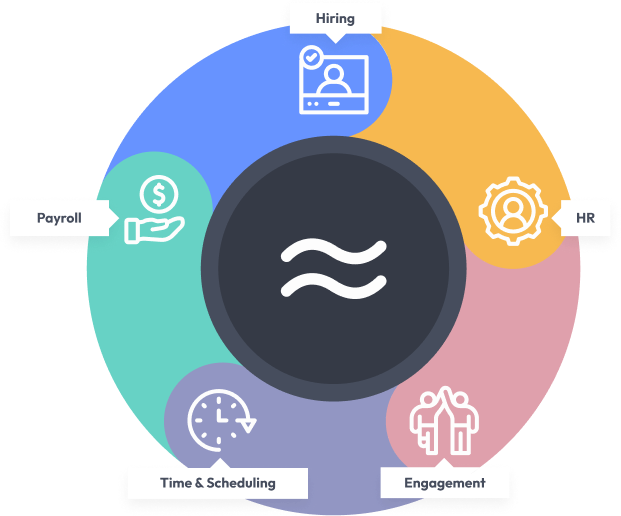

Hiring
Hire better quality workers, faster

HR
Streamline people processes and ensure employee records are always accurate

Engagement
Reduce turnover and increase worker engagement

Time & Scheduling
Manage schedules and hours worked to optimize your labor costs

Payroll
Pay your team quickly, easily, and accurately
resources
Become a hiring and onboarding expert.



Be smart with your hourly workforce
