



How to Hire Dental Receptionists: Streamline Dental Front Desk Recruitment with Workstream
Streamline how you hire dental receptionists with Workstream’s mobile-first platform—automate dental staff recruitment, simplify onboarding, and build a stronger dental front desk team.

How to Hire Dental Receptionists: A Practical Guide for Dental Clinic Owners
If you’ve ever tried to hire dental receptionists, you know it’s not as simple as posting a “Help Wanted” sign and hoping for the best. Dental front-desk staff are the face of your practice—they set the tone for every patient visit, manage the schedule, and keep the workflow humming. If you ask me, finding the right fit is as important as a good set of dental tools. But how do you actually find, recruit, and retain top-notch dental receptionists in today’s competitive market? Let’s break it down, with a few digressions and a dash of real-world wisdom.
Why the Right Dental Receptionist Matters
The Heartbeat of the Clinic
Your dental front desk isn’t just a place for paperwork—it’s the nerve center of your clinic. Patients’ first impressions are shaped here, and the right receptionist can turn a nervous newcomer into a loyal client. According to industry research on turnover, front-line staff departures can ripple through your business, affecting morale and even revenue. And while that study focused on restaurants, the parallels with dental clinics are uncanny—high turnover is expensive and disruptive.
Skills That Go Beyond the Smile
Sure, a friendly demeanor is essential, but your dental from-desk staff also need to juggle insurance verifications, appointment bookings, and sometimes even upset patients. It’s a blend of customer service, multitasking, and a little bit of magic. Want to see what makes a great front-line employee tick? Check out these traits of committed employees—they’re just as relevant in a dental office as in any other service business.
Building a Winning Dental Staff Recruitment Process
Crafting a Standout Job Posting
Let’s be honest—your job ad needs to do more than list duties. It should showcase your clinic’s culture and the perks of joining your team. For inspiration, look at these job posting examples and learn how to highlight benefits in your job descriptions. Benefits matter—a lot. In fact, research on benefits and recruitment shows that strong perks can make your clinic stand out in a crowded market.
Where to Find Top Candidates
Don’t just stick to the old-school methods. Platforms like Workstream help you reach qualified hourly candidates quickly, and you can even post on free job boards—see these top free job posting sites to broaden your reach. Social media is another goldmine; learn how to use Instagram to hire hourly workers and attract tech-savvy applicants.
- Leverage digital recruiting strategies (digital recruiting tips)
- Tap into employee referrals (referral program toolkit)
- Consider pre-employment assessments (pre-employment assessment demo)
Screening and Interviewing Dental Receptionists
Screening is where many clinics drop the ball. Automated tools, like those in Workstream’s hiring automation, can save you hours by filtering applicants based on custom criteria—think experience, certifications, or even language skills. For interviews, use a mix of motivational interviewing techniques and cultural fit interview questions to dig deeper than the résumé. And don’t forget the STAR method—here’s an ultimate STAR method guide to help structure your questions.
Onboarding and Retaining Dental Front Desk Talent
Onboarding: Make It Count
First impressions work both ways. A streamlined onboarding process helps new hires feel welcome and confident. Use digital onboarding templates—like these onboarding templates—to cut paperwork time and focus on real training. And if you want to see how onboarding impacts retention, check out these key onboarding statistics.
Retention: Keeping Your Best People
Honestly, losing a great dental receptionist stings. The cost of turnover isn’t just about recruiting again—it’s lost productivity, patient dissatisfaction, and sometimes even compliance headaches. According to research on turnover costs, losing a single front-line employee can cost thousands. So, what keeps staff loyal?
- Competitive pay and benefits (hourly wage comparisons)
- Clear paths for growth (engagement and retention for hourly workers)
- Flexible scheduling and instant pay access (instant pay access for hourly workers)
- Recognition and team culture (employee engagement and performance)
For more on why employees leave—and how to keep them—read this deep dive on turnover causes and the real cost of turnover. The lessons translate well to dental clinics, believe it or not.
Compliance, Legal Details, and Practical Pitfalls
Staying on the Right Side of the Law
Don’t let compliance trip you up. Dental clinics must keep accurate records for every employee—see the Department of Labor’s recordkeeping guide for the essentials. And if you’re new to the world of HR, a quick primer on HRIS certification can help you stay organized and compliant.
Common Mistakes (and How to Avoid Them)
It’s easy to rush the process, especially when you’re short-staffed. But hiring too quickly can backfire. Avoid these pitfalls:
- Not checking references thoroughly
- Skipping structured interviews
- Neglecting to outline clear job expectations (job description resources)
- Failing to provide proper onboarding and training (effective training techniques)
And here’s the thing—technology can help you sidestep many of these issues. Platforms like Workstream bring your hiring, onboarding, and scheduling into one place, reducing manual errors and making compliance a breeze. You might even save enough time to finally take that vacation you’ve been putting off. Just saying.
Conclusion: Building a Strong Dental Front Desk Team for the Long Haul
Hiring the right dental receptionist isn’t just about filling a seat—it’s about building the foundation for a thriving clinic. By focusing on clear job postings, smart recruiting, structured interviews, and thoughtful onboarding, you’ll set your team up for success. And with the right tools—like those from Workstream—you can streamline the process, reduce turnover, and keep your front desk running smoothly. After all, isn’t it time your hiring process worked as hard as you do?
Want to Go Deeper?
- Explore key hiring and firing statistics for hourly roles
- Learn more about hiring automation for service businesses
- See how Workstream’s hiring automation can help your clinic
- Discover tips for creative job postings
- Read about onboarding templates for new hires
.svg)


All your important HR tasks under one roof
Today’s business owners and HR teams are overwhelmed with administrative tasks: manual processes and exports, duplicative data entry, and siloed information. Workstream centralizes and simplifies people tasks so you can move fast, reduce labor costs, and simplify operations—all in one place.
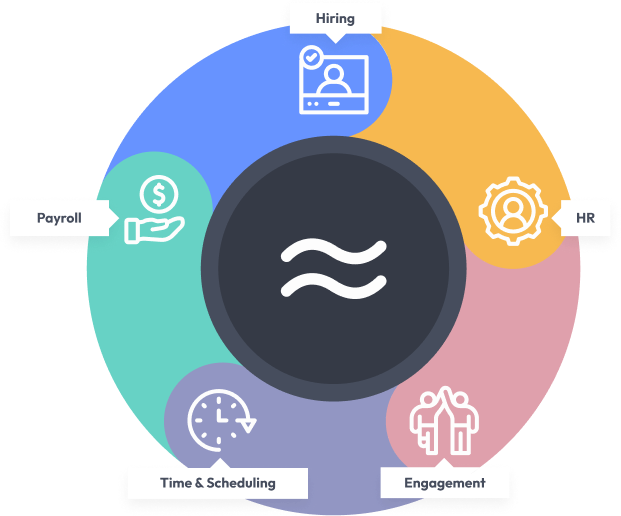

Hiring
Hire better quality workers, faster

HR
Streamline people processes and ensure employee records are always accurate

Engagement
Reduce turnover and increase worker engagement

Time & Scheduling
Manage schedules and hours worked to optimize your labor costs

Payroll
Pay your team quickly, easily, and accurately
resources
Become a hiring and onboarding expert.



Be smart with your hourly workforce
