



How to Hire Acute Care Nurse Practitioners: A Practical Guide for Small Business Owners
Find out how to hire acute care nurse practitioners efficiently—streamline recruitment, boost retention, and build a stronger healthcare team with Workstream.

How to Hire Acute Care Nurse Practitioners: A Practical Guide for Small Business Owners
Acute care nurse practitioners (ACNPs) are in high demand, and for good reason. Whether you’re running a bustling urgent care, a community hospital, or a specialty clinic, the right ACNP can be the difference between chaos and calm. But how do you hire acute care nurse practitioners who not only have the credentials but also fit your team’s culture and workflow? Let me walk you through it—no jargon, just real talk and actionable steps.
The Landscape: Why Acute Care NPs Matter Now More Than Ever
Healthcare is changing at breakneck speed. The demand for acute care nurse practitioner recruitment is climbing as patient volumes surge and complexity increases. According to the American Staffing Association, staffing in healthcare has reached record highs, with specialized roles like ACNPs leading the charge.
But here’s the kicker: turnover is a persistent thorn in the side of healthcare employers. The cost of turnover can be staggering—sometimes up to 200% of an employee’s annual salary. That’s not just a number; it’s a gut punch to your bottom line and your team’s morale.
What Makes Acute Care NP Staffing So Tricky?
- Credentialing: Each state has its own licensing quirks. If you ask me, keeping up with compliance is almost a full-time job itself. Check out this Department of Labor resource for recordkeeping basics.
- Cultural fit: A rockstar on paper might fizzle out if they clash with your team’s vibe. Don’t underestimate the power of a good cultural fit—see these cultural fit interview questions.
- Burnout: The pace is relentless. If you’re not supporting your NPs, expect them to look elsewhere. For tips on engagement, see improving employee engagement.
The Nuts & Bolts: Steps to Hire Acute Care Nurse Practitioners
1. Write a Job Description That Actually Works
Let’s be honest—most job ads are snooze-worthy. To attract top talent, your posting should be clear, specific, and a little bit human. Highlight growth opportunities, work-life balance, and any unique benefits. For inspiration, browse these job posting examples and learn how to call out benefits in your job descriptions.
- Be transparent about pay and expectations. Salary is often the first thing candidates look for (SHRM research says so).
- Mention scheduling flexibility. It’s a huge retention factor—see why in this Chief Talent Officer article.
- Spell out credential requirements. Make sure you’re up-to-date with state laws (see Fisher Phillips guidance).
2. Source Candidates Like a Pro
You don’t need a massive HR department to find great ACNPs. Use digital recruiting strategies and post on platforms that reach healthcare professionals directly. Social media isn’t just for cat videos—learn how to use Instagram for hiring.
- Tap into referral networks. Sometimes your best hires come from word-of-mouth or current team recommendations.
- Automate screening and scheduling. Tools like Workstream’s hiring automation can cut your time-to-hire in half—seriously, half!
- Don’t forget about passive candidates. Reach out even if they’re not actively looking; sometimes the best fits aren’t on job boards.
3. Interview With Purpose (and Personality)
The interview process for acute care nurse practitioner hiring should go beyond technical skills. Use scenario-based questions and motivational interviewing techniques (see this guide) to assess critical thinking and bedside manner.
- Include team members in interviews. This helps spot red flags early and gives candidates a feel for your workplace culture.
- Ask about real-life challenges. “Tell me about a time you managed multiple critical patients at once.” These questions reveal more than any resume ever could.
- Assess emotional intelligence. It’s as vital as clinical skill—learn why from this HR Daily Advisor article.
4. Onboard Like You Mean It
If you want new hires to stick around, onboarding can’t be an afterthought. Streamline paperwork, offer shadowing opportunities, and set clear milestones from day one. For actionable ideas, check these onboarding templates and read up on onboarding best practices for hourly employees.
- Automate onboarding tasks. Digital workflows (like those in Workstream’s onboarding suite) save hours and reduce errors.
- Create a mentorship program. Pair new ACNPs with seasoned staff for support and smoother transitions.
- Set up regular feedback loops. Early check-ins can catch issues before they become problems (Predictive Index onboarding ideas).
Avoiding Common Pitfalls in Acute Care NP Recruitment
Pitfall #1: Rushing the Process
I get it—you’re short-staffed and desperate to fill shifts. But rushing through hiring can backfire fast. High turnover costs more than just money; it drains morale and disrupts patient care (see what turnover really costs). Take your time to get it right.
Pitfall #2: Ignoring Scheduling Needs
If you want to keep your ACNPs happy, respect their need for predictable schedules. Unstable shifts are a leading cause of burnout. Consider using tools that make shift management easier—like these schedule templates for managers.
Pitfall #3: Skimping on Benefits and Growth Opportunities
The best talent expects more than just a paycheck. Competitive benefits, continuing education stipends, and clear paths for advancement all matter (DoorDash’s report on benefits impact). If you’re not offering these, someone else will.
The Secret Sauce: Technology & Human Touch in Acute Care NP Staffing
The smartest organizations blend tech efficiency with genuine human connection. Platforms like Workstream’s all-in-one HR suite let you automate repetitive tasks—screening, scheduling, onboarding—so you can focus on what matters: building relationships with your team and patients.
- Reduce turnover by half: Automated workflows free up managers’ time for coaching and support (learn how hourly hiring platforms help).
- Avoid compliance headaches: Digital recordkeeping minimizes risk of costly lawsuits (DOL guidelines here).
- Create better experiences: Mobile-first tools mean ACNPs can manage schedules and paperwork from anywhere (see how Gap empowers employees with tech).
If you’re feeling overwhelmed by all the moving parts of acute care NP recruitment, honestly, you’re not alone. Even big brands have struggled with turnover until they revamped their approach—just look at stories like Five Guys’ rapid growth or how Dunkin' improved hiring outcomes.
The Bottom Line: Hire Acute Care NPs With Confidence (and Heart)
The right ACNP can transform your organization—but only if you recruit, hire, and onboard thoughtfully. Use technology to handle the grunt work so you can focus on building a workplace where people actually want to stay. And don’t forget: every great hire starts with a genuine connection.
If you want to streamline your acute care nurse practitioner hiring process—and maybe even save some money along the way—consider exploring solutions like Workstream’s hiring automation tools. They’re designed for busy managers who need results yesterday (and who doesn’t?). For more insights on managing your hourly workforce, check out these resources:
- 10 Must-Know HR Statistics for Your Strategy
- A Guide to HRIS Certification & Tech Trends
- Creative Tips for Standout Job Postings
- How to Part Ways With an Employee (the Right Way)
- About Workstream: Our Mission & Platform Features
- Contact Workstream for Hiring Support
This article is intended as general guidance only; always consult legal counsel or your HR advisor regarding compliance with local laws when hiring acute care nurse practitioners or any healthcare professional.
.svg)


All your important HR tasks under one roof
Today’s business owners and HR teams are overwhelmed with administrative tasks: manual processes and exports, duplicative data entry, and siloed information. Workstream centralizes and simplifies people tasks so you can move fast, reduce labor costs, and simplify operations—all in one place.
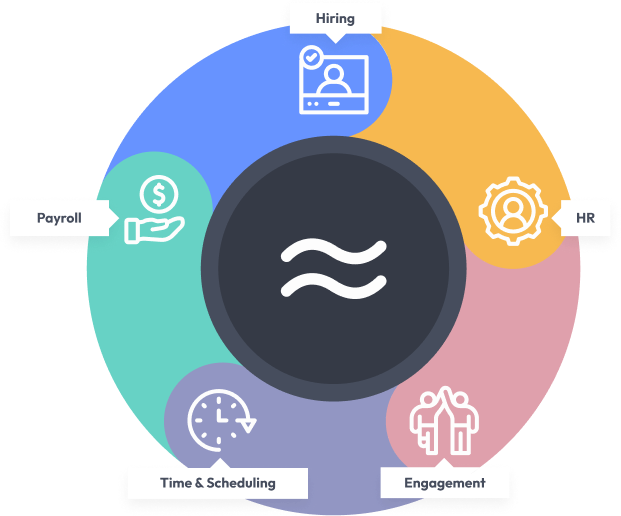

Hiring
Hire better quality workers, faster

HR
Streamline people processes and ensure employee records are always accurate

Engagement
Reduce turnover and increase worker engagement

Time & Scheduling
Manage schedules and hours worked to optimize your labor costs

Payroll
Pay your team quickly, easily, and accurately
resources
Become a hiring and onboarding expert.



Be smart with your hourly workforce
