



How to Hire Sourcing Specialists: Step-by-Step Guide to Building Your Talent Acquisition Team
Learn how to hire sourcing specialists efficiently with our step-by-step guide—find top talent, streamline your hiring process, and build a strong sourcing team for your restaurant.

How to Hire Sourcing Specialists: Your Practical Guide to Building a Winning Talent Team
Trying to hire sourcing specialists can feel a little like searching for a needle in a haystack—except the haystack is on fire, and you’re racing the clock. If you ask me, that’s just the world of hourly and high-volume hiring for you. Whether you run a bustling restaurant, a franchise, or a retail operation, finding the right sourcing experts is the first step to building a resilient, high-performing team. Let’s break down what really matters, what to watch out for, and how to make your life a whole lot easier.
Why Sourcing Specialists Are the Secret Sauce
Ever wonder why some businesses seem to snag the best talent before you even get a chance to look? That’s the magic of having a dedicated sourcing specialist recruitment process. These pros don’t just post jobs—they actively hunt for the right fit, using a mix of tech, intuition, and a bit of old-fashioned hustle. According to Harvard Business Review, hiring for attitude and training for skill can keep turnover rates impressively low, which is music to any business owner’s ears.
But here’s the kicker: turnover isn’t just a headache; it’s expensive. Industry data shows that losing a single frontline employee can cost you nearly $6,000. Multiply that over a year, and you’ll see why investing in the right hourly workers for hire and sourcing experts pays off big time.
The Real Cost of Getting It Wrong
Let’s be honest—hiring mistakes happen. But when you hire the wrong person for a sourcing role, the ripple effects can be brutal: wasted time, lost candidates, and a frustrated team. That’s why it’s smart to use pre-employment assessments and structured interviews to spot red flags early.
What Makes a Great Sourcing Specialist?
Okay, so what should you look for when you recruit candidate sourcing specialists? Here’s a quick checklist:
- Tech Savvy: They should know their way around digital recruiting platforms and be comfortable with automation tools.
- Communication: Sourcing is about building relationships. According to Axonify, clear communication keeps teams engaged and reduces no-shows.
- Adaptability: The hiring landscape changes fast. Your sourcing expert needs to keep up with HR trends and candidate expectations.
- Data-Driven: They should use HR analytics to track what’s working and tweak their approach.
And don’t forget: a sourcing specialist who understands the value of employee benefits can help you attract and retain top talent, especially in industries where perks make all the difference.
Sourcing Coordinators vs. Sourcing Specialists
Sometimes, folks use these titles interchangeably, but there’s a subtle difference. When you hire sourcing coordinators, you’re looking for someone who can manage logistics—think scheduling interviews and keeping the process humming. Sourcing specialists, on the other hand, are more like talent detectives, proactively seeking out candidates and building pipelines. Both roles are crucial, but knowing which you need (or if you need both) can save you a lot of headaches down the road.
How to Recruit and Hire Talent Sourcing Experts
Step 1: Write a Compelling Job Description
Honestly, a job post is your first impression. Make it count! Highlight growth opportunities, flexibility, and the tools you use (like hiring automation). For inspiration, check out these job posting examples and creative tips to stand out in a crowded market.
Step 2: Source Proactively
Don’t just wait for resumes to roll in. Use platforms like Mitratech’s proactive sourcing guide and tap into social media—yes, even Instagram for hiring can work wonders for hourly roles. And if you’re hiring at scale, consider Workstream’s hourly hiring platform to automate outreach and follow-ups.
Step 3: Screen and Assess
Once you’ve got candidates, move fast. Automated screening can save hours (or days) per hire. Tools like Workstream’s hiring automation can help you cut time-to-hire in half, which is a game-changer in today’s tight labor market.
Step 4: Interview for Fit and Skill
Ask questions that reveal both technical know-how and cultural fit. Need ideas? Try these cultural fit interview questions and motivational interviewing techniques to get beyond the resume.
Step 5: Onboard Like a Pro
Once you’ve made your pick, don’t let onboarding slow you down. A smooth, digital onboarding process—like the ones outlined in these onboarding templates—sets the tone for a great working relationship. Plus, it helps you stay compliant and organized, which is especially important if you’re juggling multiple locations or franchises.
Common Pitfalls and How to Dodge Them
Let’s face it: even seasoned pros slip up. Here are a few traps to avoid when you hire talent sourcing experts:
- Rushing the Process: A bad hire costs more than a slow one. Take the time to screen thoroughly, but don’t let bureaucracy bog you down.
- Ignoring Data: If you’re not tracking what works, you’re flying blind. Use HR analytics to refine your approach.
- Overlooking Onboarding: A rocky start can lead to early turnover. Streamline onboarding with digital tools and clear communication.
- Not Selling Your Brand: Candidates want to know why they should join you. Share your story—maybe even how you grew from five stores to a national franchise—and what makes your culture unique.
Why Workstream Makes Sourcing (and Everything Else) Easier
Here’s the thing: juggling job boards, interviews, background checks, and onboarding paperwork is enough to make anyone’s head spin. That’s why platforms like Workstream are changing the game for businesses that rely on hourly workers. With mobile-first workflows, automated reminders, and compliance tools, you can reduce turnover by half, cut your HR tool costs, and save hours every week—freeing you up to focus on what really matters: building a strong, connected team.
And if you need more proof, just look at how Dunkin’ franchisees and other industry leaders are using Workstream to streamline hiring and keep their teams engaged. It’s not just about saving money (though you can save up to $30K a year on HR tools!); it’s about creating a better experience for everyone involved.
Conclusion: Start Strong, Stay Strong
Finding and hiring the right sourcing specialists isn’t just a box to check—it’s a strategic move that can transform your business. With the right people and the right tools, you’ll build a team that sticks around, delivers results, and helps your business thrive—even when the labor market feels like a wild rollercoaster. So, take a breath, trust the process, and remember: the right sourcing expert can make all the difference.
Want to Learn More?
- Explore automated hiring solutions for your business
- Read about restaurant hiring strategies
- Check out Workstream’s story and vision
- Discover how to highlight benefits in your job descriptions
- See how Five Guys scaled their hiring with smart strategies
.svg)


All your important HR tasks under one roof
Today’s business owners and HR teams are overwhelmed with administrative tasks: manual processes and exports, duplicative data entry, and siloed information. Workstream centralizes and simplifies people tasks so you can move fast, reduce labor costs, and simplify operations—all in one place.
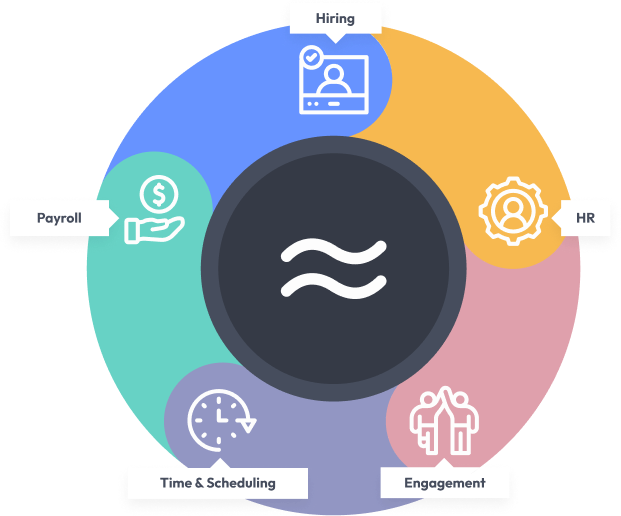

Hiring
Hire better quality workers, faster

HR
Streamline people processes and ensure employee records are always accurate

Engagement
Reduce turnover and increase worker engagement

Time & Scheduling
Manage schedules and hours worked to optimize your labor costs

Payroll
Pay your team quickly, easily, and accurately
resources
Become a hiring and onboarding expert.


Be smart with your hourly workforce
