



How to Hire Housekeepers: Step-by-Step Tips to Attract, Interview, and Retain Top Talent
Discover the best practices and essential steps to hire housekeepers efficiently, attract top candidates, and streamline your hiring process for your restaurant or hospitality business.

How to Hire Housekeepers: A Practical Guide for Small Businesses
Let’s be honest—finding reliable housekeepers can feel like searching for a needle in a haystack, especially if you’re running a busy restaurant, hotel, or cleaning service. But building a great housekeeping team isn’t just about plugging holes in your schedule; it’s about creating a crew that keeps your business humming and your guests smiling. So, how do you hire housekeepers who stick around, do great work, and help your business thrive? Let’s walk through the process, with a few digressions and stories from the trenches along the way.
Understanding What Makes a Great Housekeeper
Defining the Role and Setting Expectations
Before you post a single job ad, get clear on what you need. Are you looking to find housekeepers for a boutique hotel, a bustling restaurant, or a maid service that juggles multiple clients? Each setting calls for a different mix of skills, schedules, and personalities. The best job descriptions are clear, honest, and specific—don’t sugarcoat the tough stuff, but do highlight what makes your business a great place to work. For help crafting your job posts, check out these job posting examples and tips for writing an effective employee handbook.
What to Look for in Candidates
Skills matter, but attitude is everything. According to Harvard Business Review, hiring for attitude and training for skill can dramatically reduce turnover. Look for candidates who are detail-oriented, reliable, and have a knack for customer service. If you ask me, a friendly smile and willingness to learn can outweigh years of experience in some cases.
Where and How to Find Housekeepers
Modern Recruiting Channels
Gone are the days when a “Help Wanted” sign in the window brought in a flood of applicants. Today, you need to meet candidates where they are—often on their phones. Platforms like Workstream allow you to recruit cleaning staff efficiently, using text-based applications and automated screening to weed out no-shows. For more creative approaches, consider using Instagram for hiring or posting on Craigslist with these proven tips.
- Leverage social media and local community groups (think Facebook or neighborhood apps).
- Tap into referral programs—your current staff often know reliable people looking for work.
- Use digital hiring tools that automate interview scheduling and reminders, reducing time-to-hire by half.
Screening and Interviewing: Going Beyond the Resume
Once you’ve got a stack of applications, it’s time to separate the diamonds from the rough. Automated screening questions (like those in Workstream’s hiring automation) can save you hours. When you do get to interviews, focus on behavioral questions—ask about past experiences, not just hypothetical scenarios. Need inspiration? These motivational interviewing techniques and cultural fit questions are a great starting point.
Building and Retaining a Strong Housekeeping Team
Onboarding and Training: The Secret Sauce
First impressions matter. A solid onboarding process helps new hires feel welcome and sets clear expectations. Digital onboarding tools can cut paperwork time from hours to minutes—something that’s a game changer during busy seasons. For a smoother start, check out these onboarding templates and advice on onboarding best practices.
Training shouldn’t be a one-and-done deal. Ongoing coaching, check-ins, and clear feedback keep your team sharp and reduce costly mistakes. According to Michelin Guide, high turnover is often linked to poor training and unclear expectations—so don’t skimp here.
Retention: Keeping Your Best People
Let’s face it, turnover in housekeeping is notoriously high. But it doesn’t have to be. Offering competitive pay, flexible schedules, and meaningful benefits can make a huge difference. The DoorDash report shows that benefits are a top driver for recruitment and retention in the hospitality industry. Even small perks, like instant pay access (see how daily pay works), can boost morale and loyalty.
Communication is another biggie. Regular team meetings, clear announcements, and a channel for voicing concerns help everyone feel heard and valued. For more on boosting engagement, check out these tips for engaging hourly workers and Harvard Business Review’s research on young hourly workers.
Compliance and Legal Considerations
Staying on the Right Side of the Law
Hiring housekeepers isn’t just about finding the right people—it’s about following the rules. Make sure you’re up to speed on wage and hour laws, recordkeeping, and benefits eligibility. The U.S. Department of Labor outlines what records you need to keep for each worker. If you’re hiring part-time staff, brush up on part-time hours and benefits eligibility to avoid surprises.
And don’t forget about workplace safety and anti-discrimination policies. A well-written handbook (see these tips) can help protect your business and set clear standards for everyone on your team. When in doubt, consult an HR professional or legal advisor—better safe than sorry!
Why Technology Makes All the Difference
Streamlining the Hiring and Management Process
Let me explain—manual hiring processes are slow, error-prone, and, frankly, a headache. Platforms like Workstream bring everything under one roof: job posting, screening, onboarding, scheduling, payroll, and compliance. With automation, you can cut your time-to-hire and turnover rate by half, save thousands on HR tool costs, and keep your team connected—all from your phone. It’s not just about saving time; it’s about giving you the freedom to focus on building relationships with your staff and customers.
Plus, with features like automated reminders, digital document storage, and compliance tracking, you’ll spend less time on paperwork and more time running your business. It’s a win-win, if you ask me.
Conclusion: Building a Housekeeping Team That Lasts
Hiring the right housekeepers isn’t a one-and-done task—it’s an ongoing process of recruiting, training, and retaining people who care about your business as much as you do. By using modern tools, setting clear expectations, and investing in your team, you’ll not only hire maid services that deliver, but you’ll also create a workplace where people want to stick around. And let’s be real, isn’t that what every business owner wants?
For more insights on hiring, onboarding, and managing hourly staff, check out these resources:
.svg)


All your important HR tasks under one roof
Today’s business owners and HR teams are overwhelmed with administrative tasks: manual processes and exports, duplicative data entry, and siloed information. Workstream centralizes and simplifies people tasks so you can move fast, reduce labor costs, and simplify operations—all in one place.
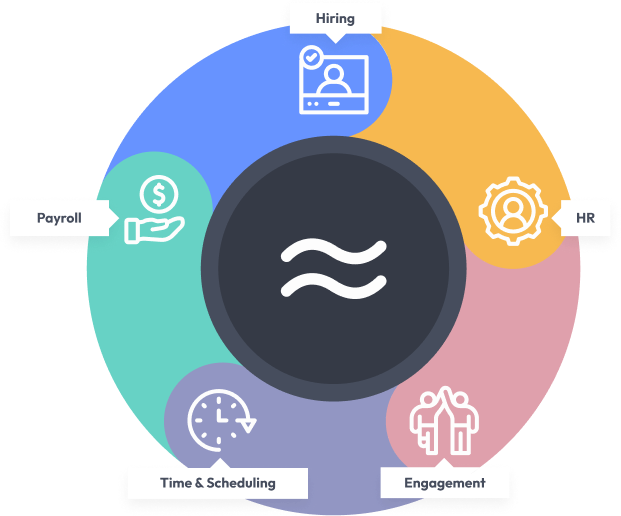

Hiring
Hire better quality workers, faster

HR
Streamline people processes and ensure employee records are always accurate

Engagement
Reduce turnover and increase worker engagement

Time & Scheduling
Manage schedules and hours worked to optimize your labor costs

Payroll
Pay your team quickly, easily, and accurately
resources
Become a hiring and onboarding expert.

Be smart with your hourly workforce
