



How to Hire Spa Therapists: Step-by-Step Guide to Building Your Spa Team
Discover expert strategies to hire spa therapists, attract top talent, and build a skilled team for your spa or wellness business with our step-by-step hiring guide.

How to Hire Spa Therapists: A Practical Guide for Small Business Owners
Let’s be real—if you’re running a spa, the people you hire can make or break your business. Whether you’re looking to hire spa therapists, bring in a new beauty therapist, or expand your spa staff, finding the right folks is more than just a checkbox on your to-do list. It’s about building a team that keeps your clients coming back, month after month. But how do you actually find spa workers who fit your vibe and deliver top-notch service? Let’s walk through it, one step at a time. And, hey, if you ask me, a little tech help from platforms like Workstream can go a long way.
Understanding the Spa Hiring Landscape
Why the Right Hire Matters
Hiring isn’t just about filling a slot. In the spa world, your therapists are your brand. A great massage therapist can turn a first-time visitor into a loyal regular, while a bad fit can send people straight to Yelp. According to industry studies, high turnover in service businesses like spas and salons can cost you big—not just in dollars, but in lost reputation and team morale. The real cost of turnover is often underestimated, so investing in the right hire up front is money well spent.
What Makes a Great Spa Therapist?
Sure, technical skills matter. But so does attitude, empathy, and a knack for reading people. As research on low-turnover businesses shows, hiring for attitude and training for skill can reduce churn and boost customer satisfaction. Look for candidates who are:
- Certified and licensed (where required)
- Passionate about wellness and customer care
- Good communicators and team players
- Adaptable—because every client’s needs are different
And don’t forget, a clear employee handbook and onboarding process can set expectations from day one, making your new hire feel right at home.
Where (and How) to Find Spa Workers
Modern Recruiting Channels
Gone are the days of just sticking a “Help Wanted” sign in the window. To find spa workers who fit your culture, you need to cast a wider net. Here’s what works:
- Online job boards: Sites like Indeed, Craigslist, and even specialized platforms can help you reach more candidates.
- Social media: Posting on Instagram or Facebook can attract younger, digitally savvy therapists. Need tips? Check out how to use Instagram for hiring.
- Employee referrals: Your current staff probably know other talented folks in the industry. Incentivize them to refer friends—it’s often the fastest way to find trustworthy candidates.
- Industry events and schools: Building relationships with local massage therapy schools or beauty colleges can give you early access to fresh talent.
Recruiting Massage Therapists: What to Look For
When you recruit massage therapists, it’s tempting to focus on credentials, but don’t overlook soft skills. According to research on hourly workers, engagement and retention hinge on feeling valued. During interviews, ask about:
- How they handle difficult clients
- What they do to stay motivated on slow days
- How they keep up with new techniques or trends
For more ideas on interview questions, see cultural fit interview questions and motivational interviewing techniques.
Streamlining Your Hiring Process
Technology Makes It Easier (and Faster)
Honestly, if you’re still juggling paper applications and phone tag, you’re making life harder than it needs to be. Modern HR tools like Workstream can automate everything from application screening to interview scheduling. That means less time on admin, and more time focusing on your clients. In fact, businesses using automated hiring platforms can reduce time-to-hire by half and cut turnover by 50%. That’s not just a nice-to-have—it’s a game changer for small businesses trying to compete with big chains.
Onboarding: The Secret Sauce
Once you’ve found your new team member, don’t just toss them into the deep end. A solid onboarding process—think digital forms, clear training checklists, and regular check-ins—can help new hires feel supported and stick around longer. For practical templates, check out onboarding templates and Workstream’s onboarding platform.
Compliance and Legal Stuff (Don’t Skip This!)
Let me explain—compliance isn’t just red tape. It’s about protecting your business from fines and lawsuits. Make sure you’re following all local licensing requirements, wage laws, and recordkeeping rules. The Department of Labor has a handy guide for what you need to keep on file. And, if you’re not sure, consult an employment attorney or HR pro. Better safe than sorry, right?
Retention: Keeping Your Spa Staff Happy (and Productive)
Why Therapists Leave (and How to Prevent It)
High turnover is a real headache. According to hospitality industry research, common reasons for leaving include lack of growth, poor communication, and burnout. But here’s the thing: small changes can make a big difference. Try these:
- Offer benefits: Even small perks, like flexible schedules or wellness stipends, can improve retention. See how benefits impact recruitment and retention.
- Recognize achievements: Celebrate milestones and hard work. Need inspiration? Check out work anniversary ideas.
- Foster a positive culture: A supportive environment keeps people engaged. For more on this, see the link between job satisfaction and turnover.
- Provide learning opportunities: Encourage therapists to attend workshops or pursue new certifications. It’s a win-win—your clients get better service, and your staff feel invested in.
Scheduling and Work-Life Balance
Don’t underestimate the power of a well-organized schedule. Unpredictable hours can lead to burnout and turnover. Platforms like Workstream make it easy to manage shifts and give your team more control over their time. For more on why this matters, see research on work-schedule instability and its impact on turnover.
Conclusion: Building a Strong, Happy Spa Team
At the end of the day, learning how to hire spa therapists is about more than just filling open slots. It’s about creating a team that feels like family—one that keeps your clients happy, your business thriving, and your stress levels (mostly) in check. By focusing on smart recruiting, streamlined onboarding, and a supportive culture, you’ll set your spa up for long-term success. And if you want to make life easier, don’t be shy about using tools like Workstream’s hiring platform—it’s built for businesses just like yours.
Want More Tips?
- Explore how to streamline hiring for service businesses
- Check out tips for writing standout job postings
- Learn about traits of committed employees
- Discover the best job posting sites for hourly workers
- Get advice on HR tech and analytics
.svg)


All your important HR tasks under one roof
Today’s business owners and HR teams are overwhelmed with administrative tasks: manual processes and exports, duplicative data entry, and siloed information. Workstream centralizes and simplifies people tasks so you can move fast, reduce labor costs, and simplify operations—all in one place.
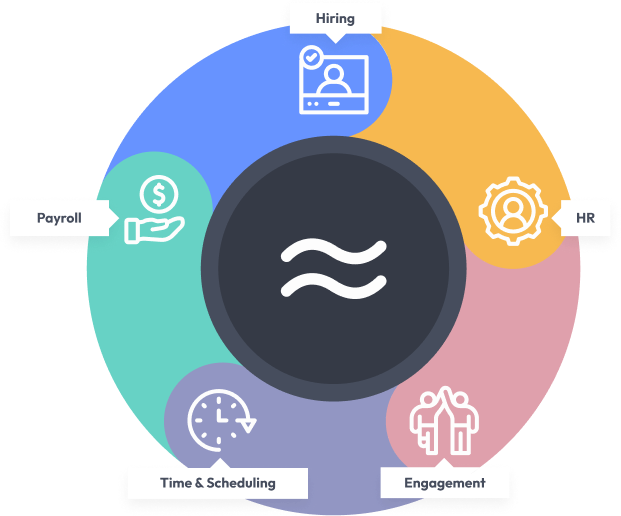

Hiring
Hire better quality workers, faster

HR
Streamline people processes and ensure employee records are always accurate

Engagement
Reduce turnover and increase worker engagement

Time & Scheduling
Manage schedules and hours worked to optimize your labor costs

Payroll
Pay your team quickly, easily, and accurately
resources
Become a hiring and onboarding expert.



Be smart with your hourly workforce
