



How to Hire Contact Tracers Efficiently: Streamline Your Hiring Process for Contact Tracing Teams
Streamline how you hire contact tracers with Workstream’s mobile-first platform—automate recruiting, onboarding, and scheduling to quickly build an effective contact tracing team.

How to Hire Contact Tracers: A Practical Guide for Small Business Owners
If you’re a business owner who’s ever tried to hire contact tracers, you know it’s not as simple as putting up a “Help Wanted” sign. The stakes are high—public health, compliance, and your company’s reputation are on the line. So, how do you hire contact tracing staff who are sharp, reliable, and ready to jump in? Let me walk you through the process, with some real-world tips, a few cautionary tales, and a dash of empathy for the folks running HR solo. Because honestly, if you ask me, finding the right people is half science, half art.
The Basics: What Does It Mean to Hire Contact Tracers?
First things first—what exactly does it mean to hire contact tracers? These are the folks who track down individuals exposed to infectious diseases, notify them, and help prevent further spread. It’s a job that requires empathy, discretion, and attention to detail. And in the hourly workforce world, turnover can be brutal if you don’t get it right from the start.
Why Contact Tracing Still Matters
Even as the pandemic headlines fade, contact tracing remains crucial for restaurants, franchises, and any business where people come and go. According to American Staffing Association data, the staffing industry continues to play a vital role in public health efforts. In short: this isn’t just a “pandemic thing.”
Compliance and Legal Considerations
Disclaimer: This isn’t legal advice—always check with an employment attorney or your local health department. That said, you’ll want to make sure your process aligns with Department of Labor recordkeeping rules and respects privacy laws like HIPAA. Failing here can cost you dearly—sometimes upwards of $25K a year in fines or lawsuits.
Step-by-Step: How to Recruit Contact Tracers Who Stick Around
Let’s get practical. When you set out to recruit contact tracers, you’re not just looking for warm bodies. You want people who can handle sensitive conversations with grace—and who won’t ghost after two weeks.
Write Job Descriptions That Actually Work
Start with clarity. Spell out what the job involves and what success looks like. Use tools like this guide on job descriptions to ensure you’re covering all the bases—including accommodations for candidates with disabilities. If you need inspiration, check out these job posting examples tailored for hourly workers.
- Highlight flexibility: Many contact tracers work odd hours—make that clear.
- Mention pay transparency: According to SHRM research, salary is often the #1 thing candidates look for.
- Emphasize purpose: People want to feel they’re making a difference.
Source Candidates Where They Already Are
Your next great hire might be scrolling Facebook or checking their texts on break. Platforms like Instagram job postings and text-based workflows (hello, Workstream!) can help you meet candidates where they are—no clunky job boards required.
If you’re feeling stuck, try these proactive sourcing tips or explore the latest recruitment marketing benchmarks.
Screening and Interviewing: Look Beyond the Resume
Sure, experience matters—but so does attitude. Use behavioral interview questions (like those in this cultural fit interview guide) to get a sense of how candidates handle tricky situations. And don’t forget motivational interviewing—check out these motivational interviewing techniques for inspiration.
If you want to cut down on no-shows and wasted time, automated scheduling tools like those from Workstream’s hiring automation suite can reduce interview no-shows by 55% and save hours each week.
The Nitty-Gritty: Building Your Contact Tracing Team
Training: Don’t Skimp Here!
You wouldn’t send a new cook into the kitchen without training—same goes for contact tracers. Effective onboarding is key; according to recent onboarding statistics, structured onboarding improves retention dramatically. For ideas on how to streamline onboarding (and cut hours off your process), see these onboarding templates for hourly staff.
If you’re new to training, this guide on effective training sessions offers practical strategies—even if you’re short-staffed or pressed for time.
Communication Is Everything
Your team will only succeed if they feel connected—to each other and to you. Tools that enable team-wide announcements (like those built into Workstream) help keep everyone in sync. For more on engaging frontline workers, check out Axonify’s communication solutions.
Avoiding Burnout & Turnover: Lessons from the Field
I’ve seen too many businesses lose good people because they didn’t pay attention to burnout. Hourly roles are tough—even tougher when the work is emotionally charged. Studies show that high turnover can cost restaurants and franchises thousands per year (here’s a breakdown of turnover costs). Want to keep your team happy? Recognize their work, offer flexibility, and provide instant pay access if possible—see how some employers use instant pay technology to boost retention.
Pitfalls to Dodge When You Hire Contact Tracing Staff
No guide would be complete without a few “watch out!” moments. Here’s what I’ve seen trip up even seasoned managers:
- Poor documentation: Keep thorough records—not just for compliance but also for quality control (DOL recordkeeping requirements).
- Ineffective onboarding: Rushed onboarding leads to confusion and mistakes (the cost of poor onboarding is real).
- Lack of ongoing support: Regular check-ins matter. Don’t just throw new hires into the deep end.
- Ignoring cultural fit: A team that gels works better together—see these teamwork improvement strategies.
- Overlooking tech solutions: Manual processes slow you down and frustrate everyone involved (transforming HR processes with tech).
The Case for Using Modern Tools (And Why Workstream Stands Out)
If you’re still using spreadsheets and sticky notes to manage your hiring pipeline—well, it’s time for an upgrade. Platforms like Workstream’s hiring automation tools let you automate screening, schedule interviews via text, and keep all your candidate data in one place. That means less admin work for you and a smoother experience for your candidates.
The numbers don’t lie: businesses using modern hiring platforms have been able to reduce turnover by half and cut their time-to-hire by 50%. And when you replace multiple tools with one integrated platform? You could save up to $30K per year on HR tech alone—money better spent elsewhere in your business.
A Few Final Thoughts (And Encouragement!)
If building a contact tracing team feels overwhelming, remember: you’re not alone. There are resources out there—from industry podcasts like Team Builders Podcast, to benchmarking data at SHRM Certification resources. Stay curious, stay compassionate, and don’t be afraid to ask for help—whether it’s from your network or from tech partners like Workstream.
Conclusion: Hiring Contact Tracers Is About People—And Process
At its heart, learning how to hire contact tracers, recruit contact tracing staff, or build a full-fledged contact tracing team is about more than filling seats. It’s about creating a safe environment for your business and your community—and doing it in a way that respects both your bottom line and your people.
If you want more insights on hiring hourly workers or need help streamlining your process, check out some of these helpful resources from Workstream:
- Restaurant hiring: What you need to know
- 5 Onboarding Templates For a Great New Hire Experience
- Hire The Right Applicants Faster | Workstream Hiring
- 8 Creative Tips to Make Your Job Posting Stand Out
- About Workstream: Our Mission & Platform
You’ve got this—and if you need backup, Workstream is always ready to help make hiring (and keeping) great people just a little bit easier.
.svg)


All your important HR tasks under one roof
Today’s business owners and HR teams are overwhelmed with administrative tasks: manual processes and exports, duplicative data entry, and siloed information. Workstream centralizes and simplifies people tasks so you can move fast, reduce labor costs, and simplify operations—all in one place.
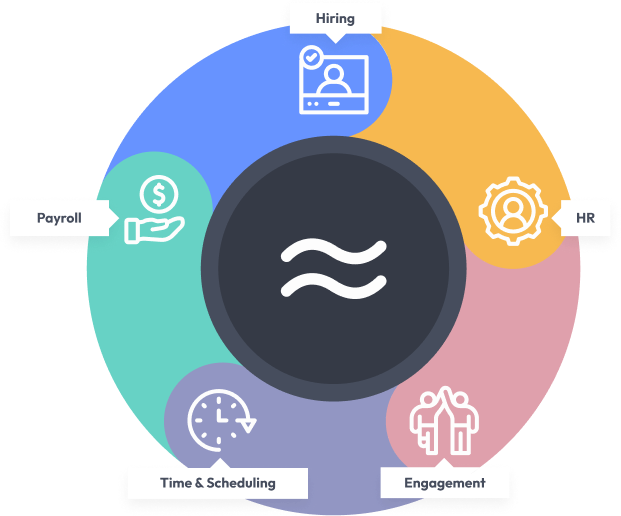

Hiring
Hire better quality workers, faster

HR
Streamline people processes and ensure employee records are always accurate

Engagement
Reduce turnover and increase worker engagement

Time & Scheduling
Manage schedules and hours worked to optimize your labor costs

Payroll
Pay your team quickly, easily, and accurately
resources
Become a hiring and onboarding expert.


Be smart with your hourly workforce
