



How to Hire Sanitation Supervisors: Step-by-Step Guide for Restaurants and Cafes
Discover expert tips to hire sanitation supervisors for restaurants, streamline your recruitment process, and ensure top-notch cleanliness and safety standards in your food service operations.

How to Hire Sanitation Supervisors: Your Guide to Building a Reliable Team
Let’s be honest—finding the right person to hire sanitation supervisors can feel a bit like searching for a needle in a haystack. The stakes are high, especially for restaurants, food production, and hospitality businesses where cleanliness isn’t just about appearances; it’s about safety, compliance, and your reputation. But don’t sweat it. With a blend of practical know-how, a dash of empathy, and the right tools, you can build a sanitation leadership team that keeps your business spotless and your staff proud to work for you.
Why Sanitation Supervisors Matter More Than Ever
Before we get into the nuts and bolts of sanitation supervisor recruitment, let’s pause for a second. Why is this role so critical? Well, a good sanitation supervisor is the backbone of your operation’s cleanliness and safety. They’re the ones making sure every corner is up to code, every team member is trained, and every shift runs smoothly. If you ask me, that’s a lot of responsibility.
High turnover in these roles can be a nightmare. According to Michelin Guide, turnover in the restaurant industry is notoriously high, and losing a front-line manager can cost thousands. Not to mention, employee turnover eats into your bottom line and disrupts your workflow. So, keeping your sanitation team stable is about more than just filling a slot—it’s about protecting your business.
Compliance and Safety: The Non-Negotiables
Sanitation supervisors don’t just clean—they ensure compliance with local and federal regulations. The U.S. Department of Labor has strict recordkeeping requirements, and a slip-up can cost you. Plus, with the rise in food safety concerns, your sanitation team is your first line of defense against costly mistakes.
Where to Find Top Sanitation Supervisor Talent
Now, onto the million-dollar question: where do you actually find these unicorns? The good news is, there are more options than ever. Here’s how to get started with sanitation supervisor staffing:
- Job Boards and Industry Sites: Post your sanitation supervisor job openings on platforms that cater to hospitality and food service, like Workstream’s hourly workers platform or use creative job posting templates to stand out.
- Employee Referrals: Sometimes your best candidates are already in your network. Encourage your current staff to refer people they trust—after all, they know what it takes to succeed in your environment.
- Social Media: Platforms like Facebook and Instagram aren’t just for cat videos. Instagram job postings can help you reach younger candidates who might not be on traditional job boards.
- Recruitment Agencies: For specialized roles, consider working with agencies that know the hospitality and sanitation space inside out.
And don’t forget to broaden your digital reach—the more channels you use, the better your odds of finding the right fit.
Writing a Standout Job Description
Here’s the thing: if your job ad reads like a laundry list of demands, you’ll scare off great candidates. Instead, focus on what makes your business a great place to work. Highlight benefits, growth opportunities, and your commitment to safety. For inspiration, check out these employee handbook tips and tips for calling out benefits in job descriptions.
Screening, Interviewing, and Hiring: Getting It Right
Let’s talk about the nitty-gritty of sanitation team hiring. Screening for technical skills is important, but don’t underestimate the value of soft skills—leadership, communication, and reliability are just as crucial.
- Automate Screening: Tools like Workstream’s hiring automation can save you hours by automatically screening candidates and scheduling interviews. That’s 3 hours a week, per location, back in your pocket.
- Behavioral Interviews: Use motivational interviewing techniques and cultural fit questions to dig deeper into a candidate’s work style and values.
- Reference Checks: Don’t skip this step. A quick call to a former employer can reveal a lot about a candidate’s reliability and attention to detail.
And if you’re feeling overwhelmed, you’re not alone. Many business owners are turning to restaurant hiring software to streamline the process and reduce time-to-hire by half. That’s not just a nice-to-have—it’s a game changer in a tight labor market.
Onboarding and Training: Set Them Up for Success
Once you’ve made your hire, don’t just toss them the keys and hope for the best. A structured onboarding process is key. Use onboarding templates to make sure nothing falls through the cracks. And remember, ongoing training isn’t just about compliance—it’s about building a team that takes pride in their work.
For more on effective onboarding, check out these onboarding tips and training techniques.
Retention: Keeping Your Sanitation Supervisors Happy
Here’s a little secret: hiring is only half the battle. Retaining your best sanitation supervisors is where the real magic happens. High turnover is expensive—some estimates put the cost of losing a front-line employee at nearly $6,000. So, what keeps people around?
- Competitive Pay and Benefits: According to DoorDash’s research, benefits are a huge driver of retention in the restaurant industry. Even small perks can make a big difference.
- Clear Paths for Advancement: Nobody wants to feel stuck. Offer training and promotion opportunities to keep your team motivated. Fortune highlights how career growth keeps hourly workers engaged.
- Recognition and Feedback: Don’t underestimate the power of a simple “thank you.” Regular feedback and recognition build loyalty and boost morale. Check out these tips for bringing out the best in people.
- Work-Life Balance: Flexible scheduling and respect for personal time go a long way. Work-life balance is a top driver of employee engagement.
And if you want to get really serious about retention, tools like Workstream’s employee engagement features can help you keep your finger on the pulse of your team’s satisfaction.
Common Pitfalls (and How to Avoid Them)
Let’s be real—everybody makes mistakes. But some are more costly than others:
- Rushing the Hire: Filling a role too quickly can lead to a bad fit and fast turnover. Take your time and use pre-employment assessments when possible.
- Neglecting Training: Even experienced supervisors need to learn your way of doing things. Invest in ongoing training and clear communication.
- Ignoring Compliance: Stay up to date on recordkeeping laws and food safety regulations. The cost of non-compliance is just too high to risk.
Conclusion: Building a Strong Sanitation Team Starts with Smart Hiring
If you’ve made it this far, you know that to hire sanitation supervisors isn’t just about checking boxes. It’s about finding leaders who care about your business as much as you do. With the right approach, a bit of patience, and the help of platforms like Workstream, you can build a team that keeps your operation running smoothly, safely, and efficiently.
Remember, a clean business is a thriving business. And in the world of hourly work, a little extra effort in hiring and retention goes a long way. So, whether you’re opening your first location or managing a growing franchise, don’t cut corners—invest in your people, and they’ll invest in you right back.
Ready to Take the Next Step?
For more tips and resources on sanitation supervisor recruitment and building a winning team, check out these related guides from Workstream:
.svg)


All your important HR tasks under one roof
Today’s business owners and HR teams are overwhelmed with administrative tasks: manual processes and exports, duplicative data entry, and siloed information. Workstream centralizes and simplifies people tasks so you can move fast, reduce labor costs, and simplify operations—all in one place.
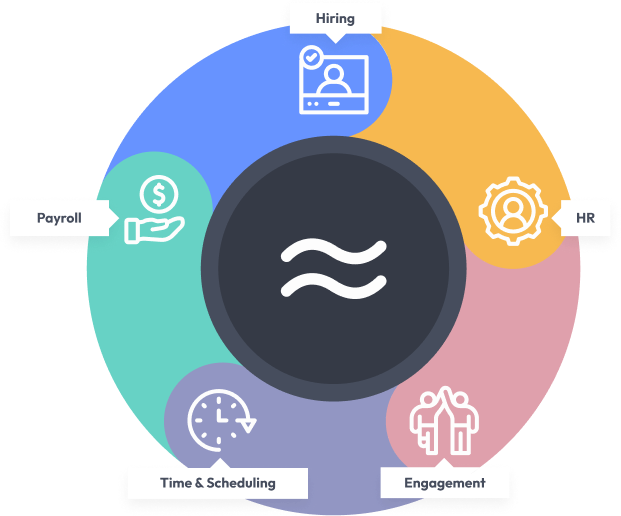

Hiring
Hire better quality workers, faster

HR
Streamline people processes and ensure employee records are always accurate

Engagement
Reduce turnover and increase worker engagement

Time & Scheduling
Manage schedules and hours worked to optimize your labor costs

Payroll
Pay your team quickly, easily, and accurately
resources
Become a hiring and onboarding expert.


Be smart with your hourly workforce
