



How to Hire Groundskeepers: Step-by-Step Guide to Find, Onboard, and Retain Top Talent
Discover the best ways to hire groundskeepers for your restaurant, from writing job descriptions to interviewing candidates and streamlining the hiring process for top-quality staff.

How to Hire Groundskeepers: A Practical Guide for Small Businesses
Let’s be honest—if you run a business with outdoor spaces, finding and keeping great groundskeepers can feel a bit like chasing the wind. You need folks who care about the details, show up on time, and don’t mind getting their hands dirty. But how do you hire groundskeepers who stick around and actually take pride in their work? And what about all the paperwork, compliance, and scheduling headaches that come with managing a landscaping crew? Let’s walk through it, together.
Understanding the Role: What Makes a Great Groundskeeper?
Before you even start to hire landscaping staff, it’s worth stepping back and thinking about what really matters for this role. Sure, experience with mowers and trimmers is helpful, but attitude, reliability, and a willingness to learn often trump technical skills—at least at the start. In fact, hiring for attitude and training for skill is a proven approach in high-turnover industries.
Here’s the thing: a great groundskeeper is part artist, part technician, and part problem-solver. They notice when a hedge needs shaping or when a sprinkler’s on the fritz. And, if you ask me, hiring for these soft skills can pay off in the long run.
Key Qualities to Look For
- Reliability and punctuality
- Attention to detail
- Physical stamina
- Willingness to work outdoors in all seasons
- Teamwork and communication skills
For more on what makes employees committed, check out these five traits of committed employees—they apply just as much to groundskeepers as they do to any other role.
Recruiting and Attracting the Right Groundskeeping Team
Let’s talk about the nuts and bolts of groundskeeper recruitment. With so many businesses competing for the same pool of workers, you need to stand out. A clear, concise job posting that highlights pay, benefits, and growth opportunities is a must. If you’re not sure where to start, there are excellent job posting templates available to help you attract quality candidates.
Where to Find Candidates
- Free job boards and local classifieds
- Indeed and other online hiring platforms
- Referrals from current employees or community networks
- Social media—yes, even Instagram can help you hire hourly workers
Don’t underestimate the power of a well-written job description. For tips on crafting one that resonates, take a look at these employee handbook writing tips—many of the same principles apply to groundskeeper roles.
Screening and Interviewing: Getting Beyond the Resume
When you’re ready to recruit groundskeeping team members, structured interviews can help you spot red flags and find the right fit. Consider using the STAR method for interviewing to dig into real-life scenarios. And don’t forget to check references—sometimes, a quick call tells you more than any resume ever could.
For inspiration, here are some creative tips to make your job posting stand out and attract the best candidates.
Onboarding and Retaining Your Landscaping Crew
Here’s where things often go sideways: you hire landscaping crew members, but then they leave after a few weeks. High turnover is a common headache in grounds maintenance, with costs that add up fast. According to industry research on turnover costs, losing a single frontline employee can cost thousands in lost productivity and rehiring expenses.
So, how do you keep your new hires engaged and motivated?
Onboarding: Start Off on the Right Foot
First impressions matter. A smooth onboarding process—one that’s mobile-friendly and easy to follow—can make a world of difference. If you’re looking for ways to streamline onboarding, check out these onboarding templates designed for hourly workers.
It’s also smart to set clear expectations from day one. This includes safety protocols, schedules, and even the little things, like how to request time off. For compliance, don’t forget to keep accurate records as required by the U.S. Department of Labor.
Retention: Keeping Your Team Happy and Productive
Retention isn’t just about pay—though competitive wages certainly help. Offering benefits, flexible schedules, and opportunities for advancement can make your business more attractive. According to DoorDash’s report on benefits and retention, perks like health insurance and paid time off can significantly improve retention in hourly roles.
- Provide regular feedback and recognition (a simple thank you goes a long way)
- Offer opportunities to learn new skills or take on more responsibility
- Use digital tools to keep communication clear and scheduling simple—see how technology helped Gap’s employees control their schedules
And if you’re struggling with turnover, these insights on employee turnover and causes in hospitality can help you pinpoint what’s going wrong.
Compliance, Scheduling, and Payroll: Avoiding Common Pitfalls
Let’s not sugarcoat it—compliance and payroll can be a real pain for small business owners. From tracking hours to managing overtime, the details matter. Mistakes can cost you, both in money and in headaches. The good news? Modern HR platforms, like Workstream, are designed to take the sting out of these tasks, especially for businesses that rely on hourly workers.
Scheduling Made Simple
Manual scheduling is a recipe for confusion (and, let’s be honest, a few gray hairs). Automated scheduling tools can help you avoid overstaffing or understaffing, reduce no-shows, and keep everyone on the same page. For a practical resource, explore this 24-hour schedule template to maximize efficiency.
Payroll and Recordkeeping
Accurate payroll isn’t just about paying people on time—it’s about staying compliant and protecting your business from costly errors. For a deep dive into payroll costs and guidelines, see this restaurant payroll guideline. And if you want to offer perks like instant pay, learn how instant pay access can boost your employer brand.
Honestly, if you’re still juggling spreadsheets, it might be time to consider a platform that brings hiring, onboarding, scheduling, and payroll together—saving you both time and money. Workstream is built specifically for businesses like yours, with features that help you hire groundskeepers faster and manage them more easily.
Conclusion: Building a Groundskeeping Team That Lasts
Hiring and keeping a great grounds crew isn’t rocket science, but it does take intention, the right tools, and a little bit of heart. Focus on hiring for attitude, provide clear expectations, and use technology to simplify the admin work. Invest in your people, and they’ll invest in your business—simple as that. And if you ever feel overwhelmed, remember: you’re not alone. There are resources and platforms out there designed to make your life easier, so you can focus on what really matters—growing your business and keeping those grounds looking sharp, season after season.
Further Reading from Workstream
- How to streamline your hiring process for restaurants
- Discover onboarding templates for new hires
- Explore employee scheduling strategies
- Learn about Workstream’s HR and payroll solutions
- Read more about traits of committed employees
.svg)


All your important HR tasks under one roof
Today’s business owners and HR teams are overwhelmed with administrative tasks: manual processes and exports, duplicative data entry, and siloed information. Workstream centralizes and simplifies people tasks so you can move fast, reduce labor costs, and simplify operations—all in one place.
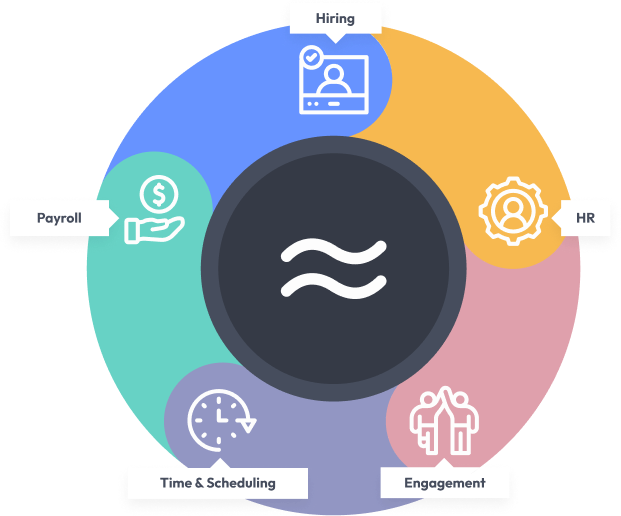

Hiring
Hire better quality workers, faster

HR
Streamline people processes and ensure employee records are always accurate

Engagement
Reduce turnover and increase worker engagement

Time & Scheduling
Manage schedules and hours worked to optimize your labor costs

Payroll
Pay your team quickly, easily, and accurately
resources
Become a hiring and onboarding expert.


Be smart with your hourly workforce
