



How to Hire Licensed Professional Counselors: Step-by-Step Guide for Small Business Success
Discover the best strategies to hire licensed professional counselors for your team. Follow our step-by-step guide to streamline your hiring process and attract top counseling talent.

How to Hire Licensed Professional Counselors: A Practical Guide for Small Business Owners
Let’s be real—finding the right person to help your team or clients with mental health support is no walk in the park. If you’re a small business owner, franchisee, or run a growing healthcare practice, you know the stakes are high. The right licensed professional counselor can make all the difference for your organization’s culture, productivity, and overall well-being. But how do you actually hire licensed professional counselors without getting lost in a sea of resumes and red tape?
Why Hiring Licensed Professional Counselors Matters
First things first: why does it matter so much to hire mental health counselors who are licensed? Well, for one, compliance is a big deal. You want to make sure you’re not just checking boxes but actually bringing in folks who meet state and federal requirements. Plus, licensed counselors bring a level of professionalism and expertise that’s hard to match.
Did you know that offering benefits and mental health support can help you attract and retain top talent? It’s not just about doing the right thing—it’s about building a workplace where people want to stick around. And turnover? That’s expensive. According to industry research, losing a front-line employee can cost thousands.
Understanding the Credentials
Before you even start your search, get familiar with the alphabet soup—LPC, LMHC, LCSW, and so on. Each credential has its own requirements, so check your state’s licensing board for specifics. And don’t forget to keep accurate records of licenses and certifications for compliance and audits.
Where (and How) to Find Licensed Counselors
So, you’re ready to start your licensed counselors recruitment journey. But where do you even look? Here’s the thing: it’s not just about posting a job and hoping for the best. You need a strategy—one that’s both efficient and effective.
Modern Sourcing Strategies
- Leverage digital recruiting platforms and job boards that cater to healthcare professionals.
- Tap into referral programs—sometimes your best candidates come from within your network.
- Consider proactive outreach to passive candidates who aren’t actively job hunting but might be open to the right opportunity.
- Get creative with your job postings. Check out these job posting examples to see what works for hourly and professional roles alike.
And if you’re juggling multiple locations or roles, using a hiring automation platform like Workstream can save you hours each week—no exaggeration. Automate interview scheduling, screen for licenses, and keep all your candidate info in one place. Honestly, it’s a game-changer for counselor staffing solutions.
Screening and Interviewing: Beyond the Resume
Sure, credentials matter. But so does cultural fit. Use cultural fit interview questions and motivational interviewing techniques to get a real sense of who you’re hiring. And don’t forget to assess soft skills—empathy, communication, adaptability—since these are crucial in counseling roles.
Compliance, Compensation, and Retention: Don’t Drop the Ball
Let’s talk about the not-so-fun stuff for a second. Compliance isn’t just a buzzword—it’s your safety net. Make sure you’re following labor laws, keeping up with recordkeeping, and offering competitive pay and benefits. Not sure what the going rate is? Take a look at hourly wage comparisons for guidance.
Retention: Keeping Counselors Happy
Once you find licensed counselors who fit your team, keeping them engaged is key. High turnover in mental health roles isn’t just costly—it’s disruptive for clients and staff alike. Research from industry experts and hospitality studies shows that engagement, flexibility, and recognition go a long way.
- Offer benefits that matter—think health insurance, mental health days, and professional development.
- Use structured onboarding templates to help new hires feel welcome and prepared from day one.
- Foster a culture of appreciation. Even small gestures, like celebrating work anniversaries, can boost morale.
And if you’re worried about burnout (who isn’t these days?), check out Gallup’s research on the main causes and how to tackle them head-on.
Common Pitfalls and How to Dodge Them
Let’s be honest—hiring isn’t always smooth sailing. Here are a few common pitfalls, plus some quick fixes:
- Rushing the process: It’s tempting to fill a role fast, but skipping steps can lead to costly mistakes. Take your time to vet candidates thoroughly.
- Ignoring cultural fit: Even the most qualified counselor won’t thrive if they clash with your team or mission. Use those fit interview questions!
- Overlooking onboarding: A rocky start can send new hires running for the hills. Use onboarding templates and checklists to set everyone up for success.
- Neglecting ongoing support: Counselors need mentorship, feedback, and growth opportunities. Don’t let them feel like they’re on an island.
And if you’re feeling overwhelmed, you’re not alone. Many business owners are turning to integrated HR platforms to handle the heavy lifting, from hiring automation to onboarding and beyond.
Conclusion: Building a Stronger Team, One Counselor at a Time
If you ask me, hiring a great licensed professional counselor isn’t just about filling a seat—it’s about investing in your people and your business’s future. With the right approach, you can hire licensed professional counselors who not only meet the technical requirements but also bring heart, empathy, and dedication to your workplace.
Remember, tools like Workstream can help you streamline the process, reduce manual work, and keep your focus where it matters—on your team and your clients. And honestly, who doesn’t want a little more peace of mind these days?
Further Reading and Resources
- For more on onboarding templates and best practices, check out our detailed guide.
- Curious how benefits impact retention? See DoorDash’s report on benefits and recruitment.
- Need help with hiring automation? Learn more about how Workstream supports small businesses.
- Want to compare hourly pay rates? Here’s our wage comparison guide.
- Explore more resources for hiring and HR on Workstream’s website.
.svg)


All your important HR tasks under one roof
Today’s business owners and HR teams are overwhelmed with administrative tasks: manual processes and exports, duplicative data entry, and siloed information. Workstream centralizes and simplifies people tasks so you can move fast, reduce labor costs, and simplify operations—all in one place.
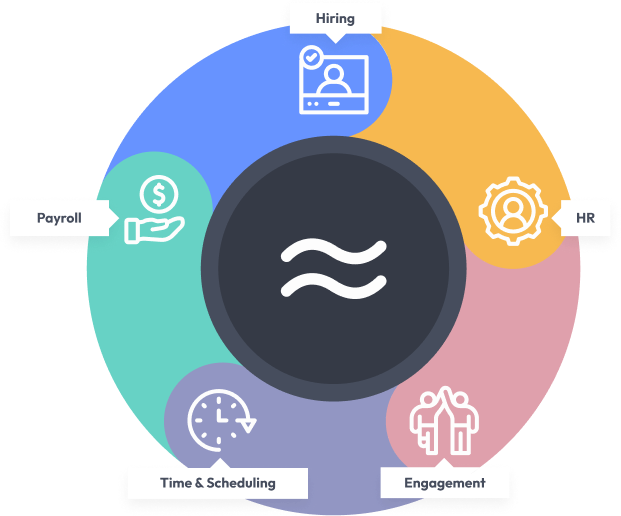

Hiring
Hire better quality workers, faster

HR
Streamline people processes and ensure employee records are always accurate

Engagement
Reduce turnover and increase worker engagement

Time & Scheduling
Manage schedules and hours worked to optimize your labor costs

Payroll
Pay your team quickly, easily, and accurately
resources
Become a hiring and onboarding expert.



Be smart with your hourly workforce
