



How to Hire Executive Assistants: Proven Tips for Small Businesses to Find the Perfect Fit
Learn proven strategies to hire executive assistants efficiently, streamline your hiring process, and find top talent to support your small business growth.

How to Hire Executive Assistants: The Smart Guide for Small Business Owners
Let’s be honest—finding the right person to hire executive assistants isn’t just about ticking boxes on a job description. It’s about finding that rare blend of professionalism, resourcefulness, and personality that can keep your business humming. Whether you’re running a bustling franchise or a family-owned restaurant, the right executive assistant can make your life a whole lot easier. But how do you actually recruit administrative staff who are up for the challenge?
Why Executive Assistants Are the Backbone of Your Business
Ever notice how the best-run businesses seem to have a secret weapon? Nine times out of ten, it’s a stellar executive assistant working behind the scenes. These pros aren’t just handling calendars—they’re managing chaos, keeping teams connected, and making sure nothing falls through the cracks. If you ask me, hiring office support staff is less about filling a seat and more about finding a partner in productivity.
But here’s the thing: the competition for great executive assistants is fierce. According to recent research, even top companies struggle to keep hourly and admin roles filled. That’s where a thoughtful approach to executive assistant hiring pays off.
What Sets Top Executive Assistants Apart?
- Adaptability: They can switch gears in a heartbeat, whether it’s handling a last-minute meeting or juggling multiple priorities.
- Communication: Clear, concise, and always professional—your assistant is often your business’s first impression.
- Discretion: Trust is everything when you’re dealing with sensitive information.
- Tech-savvy: From managing cloud calendars to using hiring automation tools, today’s assistants need to be comfortable with technology.
Honestly, the right person can feel like a mind-reader—anticipating your needs before you even voice them. Isn’t that what every busy owner dreams of?
Building a Winning Executive Assistant Job Posting
Let’s talk turkey: a generic job ad won’t cut it if you want to hire office assistants who stick around. According to these job posting examples, specificity is your friend. Highlight the real challenges and opportunities in your business. Are you a fast-paced franchise? A growing retail chain? Spell it out.
For inspiration, check out these creative tips to make your job posting stand out. The best postings don’t just list tasks—they sell the role and your company culture.
Key Elements to Include:
- Clear responsibilities: Go beyond “manage calendars”—talk about project management, event planning, or vendor coordination.
- Growth opportunities: According to research on employee commitment, people stay longer when they see a future with your company.
- Benefits and perks: Don’t underestimate the power of flexible schedules or instant pay access. For example, benefits can make a huge difference in recruitment and retention.
- Company culture: A little personality goes a long way—are you a tight-knit team or a high-growth startup?
And don’t forget: compliance matters. Make sure you’re up to speed on recordkeeping and reporting requirements for all employees, including your new assistant.
Recruiting and Screening: Finding the Right Fit
Now comes the fun (and sometimes stressful) part—actually finding and evaluating candidates. If you’re still sifting through stacks of resumes by hand, there’s a better way. Tools like Workstream’s hiring automation can cut your time-to-hire in half and help you zero in on the best applicants fast.
For a deeper dive on sourcing, check out proactive candidate sourcing strategies and digital recruiting tips that actually work. And if you’re curious about how other businesses are tackling the admin hiring challenge, these hiring and firing statistics offer some eye-opening benchmarks.
Interviewing Like a Pro
Interviews are your chance to spot those “intangibles”—the quick thinking, the calm under pressure. Use behavioral interview techniques to get real stories, not just canned answers. And don’t skip the cultural fit questions; after all, you want someone who’ll mesh with your team, not just survive the workload.
For more on what makes a great manager (and by extension, a great assistant), this guide on manager qualities is worth a look.
Onboarding and Retaining Your New Executive Assistant
Here’s where a lot of businesses drop the ball. You’ve found your superstar—now you need to keep them. A smooth onboarding process is key. Consider using onboarding templates to make sure nothing gets missed. And, as employee recognition guides suggest, don’t wait for the annual review to show appreciation.
Retention is a big deal—turnover can cost you more than you think. According to Modern Restaurant Management, the cost of replacing a single employee can run into the thousands. Want to avoid that? Focus on engagement, flexibility, and clear communication. Harvard Business Review notes that young hourly workers, in particular, value growth and recognition.
Pro Tips for Retention:
- Offer flexible scheduling—see how Gap empowers its employees with more control.
- Provide instant pay options—learn why instant pay access is a game-changer in today’s market.
- Invest in ongoing training—check out effective training techniques that boost retention.
- Recognize milestones—celebrate work anniversaries and achievements to build loyalty.
And if you’re looking for more ways to keep your team happy and productive, this survey on employee happiness is packed with actionable insights.
Conclusion: Make Executive Assistant Hiring Your Competitive Advantage
Hiring the right executive assistant isn’t just a box to check—it’s a strategic move that can free you up to focus on what you do best. By using smart tools like Workstream’s hiring automation, you can streamline the entire process, reduce turnover, and build a stronger, more resilient business. And honestly, who doesn’t want a little less stress and a lot more peace of mind?
Ready to take the next step? Explore more about Workstream’s onboarding solutions, or see how restaurant hiring software can help you find the perfect fit. For more tips, check out our guide to calling out benefits in job descriptions and traits of committed employees. If you still have questions, don’t hesitate to contact Workstream for a friendly chat about your hiring needs.
.svg)


All your important HR tasks under one roof
Today’s business owners and HR teams are overwhelmed with administrative tasks: manual processes and exports, duplicative data entry, and siloed information. Workstream centralizes and simplifies people tasks so you can move fast, reduce labor costs, and simplify operations—all in one place.
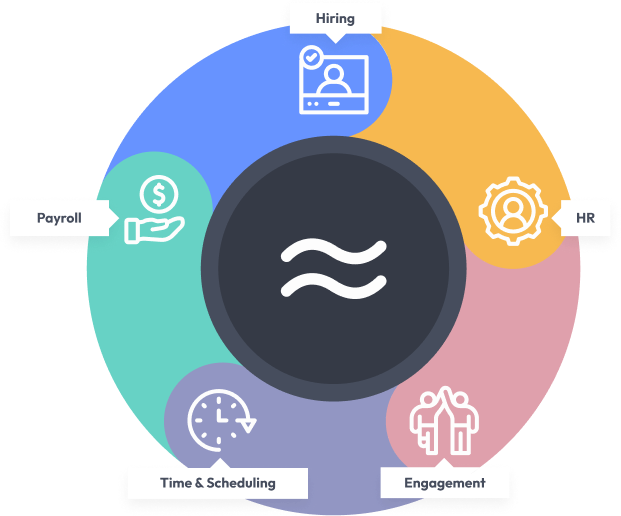

Hiring
Hire better quality workers, faster

HR
Streamline people processes and ensure employee records are always accurate

Engagement
Reduce turnover and increase worker engagement

Time & Scheduling
Manage schedules and hours worked to optimize your labor costs

Payroll
Pay your team quickly, easily, and accurately
resources
Become a hiring and onboarding expert.



Be smart with your hourly workforce
