



How to Hire Shop Managers: Proven Steps to Find and Recruit the Best Store Leaders
Discover expert tips and proven strategies to hire shop managers efficiently, streamline your hiring process, and build a strong management team for your restaurant’s success.

How to Hire Shop Managers: A Practical, People-First Guide for Small Businesses
If you ask any seasoned business owner what keeps their operation running smoothly, chances are they’ll point to their shop managers. Whether you’re running a bustling restaurant, a local retail store, or a service shop, figuring out how to hire shop managers who are reliable, adaptable, and good with people can feel like searching for a unicorn—until you get your process right. Let’s talk shop (pun intended), break down what works, and explore how modern tools like Workstream’s hiring automation can make your life a whole lot easier.
Why the Right Shop Manager Makes All the Difference
Ever notice how a great manager can turn a struggling store around? The impact is huge—on profits, morale, and even customer loyalty. But here’s the thing: the cost of turnover for managers is sky-high, and hiring the wrong person can set you back months. So, what should you look for when you hire shop managers?
- Leadership skills: Managers need to inspire and guide, not just bark orders. Think of them as the team’s quarterback.
- Operational know-how: From inventory to scheduling, they should keep the wheels turning.
- People smarts: Emotional intelligence is a must. You want someone who can handle a tricky customer and still keep the team motivated.
- Adaptability: Retail and restaurant work is unpredictable—flexibility is non-negotiable.
If you’re curious about what makes a truly great general manager, check out these 7 qualities of a great GM—it’s a quick read but packed with insight.
Finding and Attracting Top Shop Supervisors
Where to Look (And Where You Might Be Overlooking)
Let’s be honest: posting a job on Indeed and hoping for the best isn’t a strategy. To find shop supervisors who’ll stick around, you need to cast a wider net and get creative:
- Use social media—especially Facebook, since many restaurant and retail folks hang out there.
- Leverage creative job postings to stand out from the crowd.
- Consider employee referrals; your best workers often know other great people.
- Don’t overlook internal promotions—sometimes your next star is already on your team.
For more on how to source candidates digitally, Monster’s guide is worth a look. And if you’re curious how big brands use Instagram to recruit, this Instagram hiring guide is surprisingly practical.
What to Offer: The Benefits That Matter
Compensation is important, sure, but benefits and flexibility are what really move the needle. According to DoorDash’s research, offering perks like healthcare, paid time off, or even daily pay access can dramatically boost your ability to recruit store managers and keep them happy. If you’re wondering how to set up instant pay, here’s a quick primer on daily pay for hourly workers.
Don’t forget: a well-written job description is your first impression. For tips on crafting one that attracts the right candidates, see these job posting examples and employee handbook tips.
The Interview: Separating the Good from the Great
Questions That Reveal True Leadership
Here’s the thing: resumes only tell half the story. When you’re looking to hire store leaders, your interview questions should dig into real-life scenarios and values. Try asking:
- “Tell me about a time you had to resolve a conflict between team members.”
- “How do you handle last-minute scheduling changes?”
- “What’s your approach to training new staff?”
Want to go deeper? These cultural fit interview questions and motivational interviewing techniques can help you spot candidates who’ll mesh with your culture and stick around.
Common Pitfalls (And How to Dodge Them)
Honestly, it’s easy to get wowed by a slick talker. But don’t skip reference checks or trial shifts—sometimes the best predictor of future performance is seeing someone in action. And if you’re not sure how to structure your interviews, the 10 Do’s and Don’ts of Hiring and Onboarding webinar is a goldmine.
Onboarding and Retaining Your New Manager
Set Up for Success from Day One
Let’s not kid ourselves: even the best hire can flounder without a solid onboarding process. Streamlining onboarding isn’t just about paperwork—it’s about setting expectations, building relationships, and making sure your new manager feels supported. If you want to cut onboarding time from hours to minutes, check out these onboarding templates and see how a mobile-first platform like Workstream can help.
And don’t forget compliance—keeping your records straight isn’t just smart, it’s the law. The Department of Labor’s recordkeeping guide is a must-read for every business owner.
Keeping Your Manager Engaged (So They Don’t Jump Ship)
Retention is a constant battle—especially in restaurants and retail. According to Michelin Guide and Harver’s research, turnover in hospitality can be brutal. But here’s the good news: investing in engagement, training, and clear communication can cut your turnover rate in half. If you’re looking for practical ways to improve engagement, this guide for gas station employees has lessons that apply across industries.
Want to know what really keeps managers happy? The 7shifts survey and Harvard Business Review’s case study are both eye-opening reads.
Smart Tools for Smarter Hiring
Let’s face it, juggling interviews, background checks, and onboarding can get overwhelming. That’s where all-in-one platforms like Workstream come in. With features like automated screening, text-based workflows, and easy scheduling, you can save up to three hours a week per location—seriously, that’s a lot of coffee breaks you’re getting back. Plus, you’ll reduce no-shows by more than half and cut your time-to-hire in half. If you’re curious how other businesses are using tech to give employees more control over their schedules, it’s worth a read.
And if you’re still weighing the pros and cons of hourly vs. salaried roles for your managers, this comparison guide breaks it down in plain English.
Conclusion: The Human Touch Still Matters
At the end of the day (whoops, old habits die hard), hiring the right shop manager is about more than ticking boxes. It’s about finding someone who fits your culture, inspires your team, and keeps your business humming—rain or shine. Technology like Workstream can take the headache out of the process, but your gut and your values should always have a seat at the table.
Ready to take your hiring process to the next level? Start by exploring more practical tips on restaurant hiring, calling out benefits in job descriptions, and how top franchises recruit. And if you want to see how automation can help you hire shop managers faster and smarter, reach out to Workstream—they’re always happy to chat.
.svg)


All your important HR tasks under one roof
Today’s business owners and HR teams are overwhelmed with administrative tasks: manual processes and exports, duplicative data entry, and siloed information. Workstream centralizes and simplifies people tasks so you can move fast, reduce labor costs, and simplify operations—all in one place.
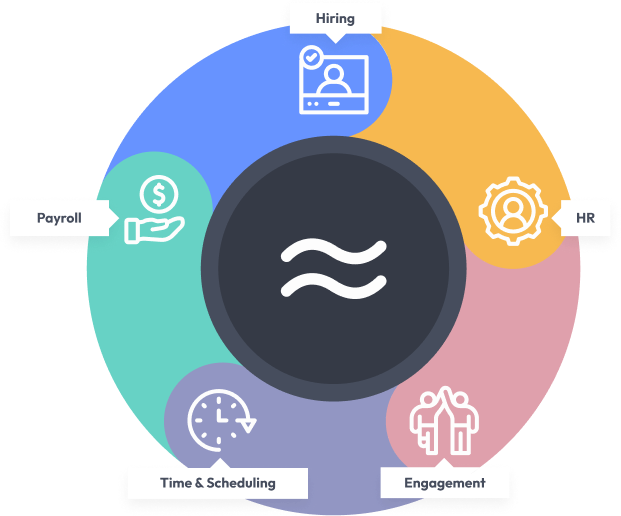

Hiring
Hire better quality workers, faster

HR
Streamline people processes and ensure employee records are always accurate

Engagement
Reduce turnover and increase worker engagement

Time & Scheduling
Manage schedules and hours worked to optimize your labor costs

Payroll
Pay your team quickly, easily, and accurately
resources
Become a hiring and onboarding expert.

Be smart with your hourly workforce
