



How to Hire Cleaners: Streamline Your Process and Find the Best Cleaning Staff
Streamline how you hire cleaners and janitorial staff with Workstream’s all-in-one platform—automate recruiting, onboarding, and scheduling to quickly build a reliable cleaning crew.

How to Hire Cleaners: The Smart Guide for Small Business Owners
If you’ve ever tried to hire cleaners for your business, you know it’s not as simple as posting a job and hoping for the best. Whether you’re a franchise owner, a restaurant manager, or someone running a busy office, finding reliable cleaning staff is a make-or-break task. Let’s break down what works, what doesn’t, and how you can build a cleaning crew that’s as dependable as your morning coffee.
Why Hiring Cleaners Matters More Than You Think
Think about the last time you walked into a spotless restaurant or a gleaming office. Felt good, didn’t it? Cleanliness isn’t just about appearances—it’s about health, safety, and reputation. In the restaurant world, for example, a single sanitation slip-up can lead to lost customers or even legal trouble. And in offices, a clean environment keeps morale high and sick days low.
But here’s the kicker: turnover rates for cleaning staff are notoriously high, sometimes reaching over 100% annually in hospitality and food service. According to industry research, losing even one cleaner can cost thousands in replacement and training expenses. So, getting this right is critical for your bottom line.
Step One: Define What You Really Need
Job Descriptions That Don’t Put People to Sleep
Before you start to hire janitorial staff, get crystal clear on what you expect. Do you need someone who can handle hazardous materials? Are late-night shifts part of the deal? Writing a clear and honest job description helps weed out folks who aren’t a fit—and attracts those who are.
For inspiration, check out these job posting examples that actually work. And don’t forget to highlight benefits and growth opportunities, as outlined in this guide to calling out benefits in job descriptions.
- Be specific: List tasks clearly—don’t just say “clean.” Spell out “mop floors,” “sanitize restrooms,” and “restock supplies.”
- Mention hours: Flexibility is gold for many cleaning professionals.
- Highlight perks: Even small things like instant pay access (see how daily pay works) can set you apart.
Compliance Isn’t Optional (And It Can Get Pricey!)
No one likes paperwork, but skipping compliance can cost you big time—think $25K per year in lawsuits and fees. Make sure your hiring process follows local labor laws, wage rules, and safety regulations. For the nitty-gritty on recordkeeping, check the U.S. Department of Labor’s official page. And if you’re ever unsure, consulting with a labor attorney like those at Fisher Phillips is worth every penny.
The Hunt: Where and How to Find Commercial Cleaners
Old School Meets New School Recruiting
You could tape a flyer to the breakroom fridge—but let’s be honest, that’s not going to cut it anymore. To recruit cleaning crew members who stick around, you’ll want to cast a wider net:
- Online job boards: Sites like Indeed or Craigslist are still solid—just avoid common mistakes with these Craigslist job posting tips.
- Social media recruiting: Platforms like Instagram can help you reach younger workers (see tips on using Instagram for hiring).
- Referrals: Don’t underestimate word of mouth—your current staff might know great candidates.
- Staffing agencies: If you’re short on time, agencies can help you tap into the broader labor market.
- Automated tools: Platforms like Workstream’s hiring automation suite can cut your time-to-hire in half and reduce turnover by 50%—not bad if you ask me!
The Interview: Ask More Than “Can You Mop?”
If you want to find commercial cleaners who’ll go the distance, ask questions that get at reliability and attitude—not just skill. Try these proven motivational interviewing techniques, or dig into their fit with your company culture using these cultural fit interview questions.
- Scenario questions: “What would you do if you found a safety hazard?”
- Punctuality probes: “Tell me about a time you had to cover for someone else at the last minute.”
- Teamwork matters: Cleaning is rarely solo work—see how they mesh with others (improving labor and productivity tips here).
The Nitty-Gritty: Onboarding, Training & Retention
Smooth Onboarding Is Non-Negotiable
The first few days set the tone for everything that follows. A clunky onboarding process can turn off even the best new hires. For inspiration on streamlining onboarding (and cutting hours off the process), check out these onboarding templates for a great new hire experience.
If you’re looking for more data-driven insights on onboarding’s impact, this collection of employee onboarding statistics will surprise you—especially how AI and automation are changing the game.
Training That Sticks (And Doesn’t Bore Them to Tears)
No one wants to sit through endless PowerPoints. Instead, focus on hands-on training and clear expectations. For effective training session ideas, see this practical guide on conducting effective training sessions. And remember—investing in training pays off; well-trained cleaners are more productive and less likely to leave.
Retention: The Real Secret Sauce
You’ve probably heard horror stories about cleaners quitting mid-shift or disappearing after payday. To keep your team happy and loyal:
- Offer flexible scheduling: Let staff swap shifts or access schedules online (see how Gap does it here).
- Pay competitively: Know what others are offering by checking out this comparison of hourly wages across companies.
- Create a supportive culture: Employees who feel valued stick around longer (research on job satisfaction and turnover intention here).
- Avoid burnout: Overworked cleaners are more likely to quit (Gallup has advice on burnout causes here).
- Celebrate milestones: Recognize long-term employees with ideas from this work anniversary guide.
Troubleshooting: Common Pitfalls When You Hire Office Cleaning Services (And How to Dodge Them)
The Top Mistakes Businesses Make
If you’ve tried to hire office cleaning services before, maybe some of these sound familiar:
- Poor vetting: Skipping background checks can lead to headaches down the road.
- Lack of clear communication: Misunderstandings about duties or schedules cause frustration (see how to solve communication problems with frontline teams at Axonify Communications).
- No backup plan: When someone calls out sick and there’s no contingency, chaos reigns.
- Inefficient scheduling: Overstaffing leads to wasted money; understaffing leads to burnout.
- Poor onboarding: Rushed or incomplete onboarding can double your turnover risk (learn why onboarding matters here).
The Solution? Smarter Tools and Processes
This is where technology shines. Platforms like Workstream let you automate everything from screening applicants to scheduling shifts (learn more about Workstream’s platform here). With features like automated interview scheduling and digital onboarding, you’ll save hours each week—and reduce no-shows by up to 55%.
The Bottom Line: Build Your Dream Cleaning Crew—And Keep Them!
If there’s one thing I’ve learned from years talking with business owners across the country—from old-school franchisees in the Midwest to ambitious second-generation entrepreneurs—it’s that hiring cleaners is both an art and a science. You need clear expectations, smart recruiting strategies, streamlined onboarding, and ongoing support.
The right tools make all the difference. With platforms like Workstream, you can reduce turnover by half, save thousands each year on HR costs, and finally focus on what really matters—growing your business and serving your customers.
A Few Final Nuggets Before You Go...
- If you’re struggling with retention: Explore these tips on reducing turnover in high-churn industries.
- If you want creative job ads: Check out these creative tips for job postings.
- If compliance keeps you up at night: Learn more about digital document management at Workstream’s about page.
- If you're curious about how top franchises handle hiring: See how Dunkin’ improved its applicant experience in this real-world story about a Dunkin' franchisee's hiring journey.
- If scheduling is your pain point: Get practical with this easy-to-use 24 hour schedule template for employee shifts.
P.S. Ready to build your cleaning dream team? Don’t forget: smart hiring is just the beginning—the real magic happens when you keep your crew happy for the long haul.
If you're looking for more resources on hiring hourly workers or want practical advice on managing your workforce, check out these guides from Workstream:
- Find hourly workers for hire with Workstream's platform
- Restaurant hiring: What you need to know for success
- A guide to HRIS certification and tech trends in HR management
- Understanding part-time employee hours and benefits eligibility
- Automate and streamline your hiring process with Workstream's hiring automation tools
This article is intended as general guidance only. For legal or compliance questions related to hiring cleaners or janitorial staff in your area, please consult a qualified professional.
.svg)


All your important HR tasks under one roof
Today’s business owners and HR teams are overwhelmed with administrative tasks: manual processes and exports, duplicative data entry, and siloed information. Workstream centralizes and simplifies people tasks so you can move fast, reduce labor costs, and simplify operations—all in one place.
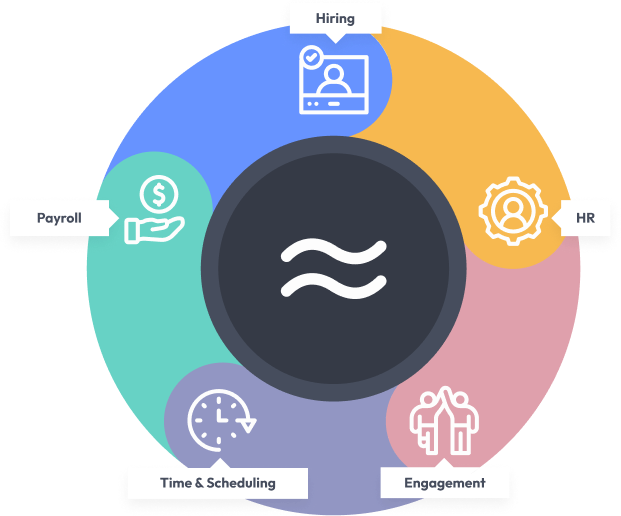

Hiring
Hire better quality workers, faster

HR
Streamline people processes and ensure employee records are always accurate

Engagement
Reduce turnover and increase worker engagement

Time & Scheduling
Manage schedules and hours worked to optimize your labor costs

Payroll
Pay your team quickly, easily, and accurately
resources
Become a hiring and onboarding expert.


Be smart with your hourly workforce
