



How to Hire Bakers: A Step-by-Step Guide for Small Bakery Owners
Discover proven strategies to hire bakers, recruit bakery staff, and build a reliable team that helps your business rise—powered by Workstream’s all-in-one HR platform.

How to Hire Bakers: A Practical Guide for Bakery Owners
If you’ve ever tried to hire bakers for your bakery, you know it’s not just about finding someone who can knead dough or decorate a cake. It’s about building a team that brings warmth, consistency, and a sprinkle of magic to every loaf and pastry. Let’s get into the nitty-gritty of what it takes to recruit bakers, hire bakery staff, and create a thriving bakery crew—without losing your mind (or your sourdough starter).
The Realities of Hiring in the Bakery World
Bakeries run on early mornings, tight margins, and a whole lot of teamwork. If you ask me, the secret sauce is finding people who love the craft as much as the customers love fresh bread. But here’s the thing—turnover in food service is notoriously high, and hiring bakery workers isn’t immune to this trend.
Why Is It So Hard to Find and Keep Great Bakery Employees?
- Demanding schedules: Early shifts and weekend work can be tough to fill. Flexible scheduling is now a top priority for many hourly workers.
- Physical demands: Standing for hours, lifting heavy bags of flour, and working with hot ovens require stamina and attention to safety.
- Skill gaps: Not everyone who loves baking at home is ready for commercial production. Training matters—a lot.
- Competition: You’re not just competing with other bakeries. Cafés, supermarkets, and even fast-food chains are all after the same talent pool.
Honestly, if you’re struggling to find bakery employees who stick around, you’re not alone. The cost of high turnover can be staggering—some estimates put it at thousands per lost employee. That’s money straight out of your bottom line.
Where (and How) to Find Your Next Great Baker
Let’s talk about sourcing talent. Whether you want to hire bread makers, pastry chefs, or jack-of-all-trades bakery workers, casting a wide net is key. But not all nets are created equal.
Modern Tools for Recruiting Bakers
- Workstream’s hiring automation platform lets you post jobs across dozens of boards and manage applicants from your phone—perfect for busy bakery owners.
- Free job posting sites can help you reach local talent without breaking the bank.
- Social media recruiting (think Instagram or Facebook) is surprisingly effective for creative roles like baking.
- Proactive search techniques—sometimes you need to look beyond job boards and reach out directly to candidates with the right skills.
If you’re looking for more inspiration, check out these creative recruitment ads that show how personality and humor can attract the right people.
The Power of a Good Job Posting
Your job ad is often your first impression. Make it count! Spell out what makes your bakery special, highlight growth opportunities, and be upfront about pay and schedule (transparency goes a long way). For some real-world examples, see these job posting templates tailored for hourly roles.
Screening, Interviewing, and Onboarding: Getting It Right from Day One
So you’ve got a stack of applications—now what? Screening and interviewing are where you separate the wheat from the chaff (pun intended). Let me explain how you can make this process smoother—and more effective.
Smart Screening Saves Time (and Sanity)
- Automated screening tools like those offered by Workstream can cut hours off your hiring process and help you focus on the best candidates.
- Pre-employment assessments are great for testing baking skills or food safety knowledge before you even schedule an interview.
- Motivational interviewing techniques can help you gauge passion and cultural fit—two things that matter just as much as technical skill in a bakery setting.
- If you want to dig deeper into culture fit, don’t miss these interview questions.
Acing Onboarding: Setting Up Your New Hires for Success
The first week on the job can make or break a new bakery worker’s experience. A well-structured onboarding process—like these onboarding templates—helps new hires feel welcome and confident from day one.
And don’t forget compliance! You’ll need to keep accurate records of hours worked and wages paid. For more on legal requirements, see the U.S. Department of Labor’s guide to recordkeeping. (Disclaimer: This article is not legal advice; always consult a professional for compliance questions.)
Baking Up a Strong Team: Retention and Growth
You’ve managed to hire bakery staff—but how do you keep them happy and engaged? Retention is where many bakeries stumble. High turnover isn’t just expensive—it hurts morale and consistency too.
The Secret Ingredients: Flexibility, Benefits, and Culture
- Flexible scheduling: Giving bakers more control over their shifts can reduce burnout. Learn why schedule flexibility matters in this Chief Talent Officer article.
- Benefits: Even small perks (like free pastries or paid breaks) make a difference. For data on how benefits impact retention, read this DoorDash report on benefits in restaurants.
- Recognition: Celebrate milestones—whether it’s a work anniversary or a killer batch of croissants. Here’s how to mark those moments with meaning: work anniversary guide.
- Training and advancement: Invest in your team’s growth. For tips on training sessions that actually work, see this resource on effective training techniques.
- Cultural fit: A positive workplace culture is linked to lower turnover. Explore the connection between job satisfaction and retention in this study on organizational culture.
If you’re curious about how industry leaders tackle turnover, check out how one fast-food chain keeps rates “absurdly low” by focusing on attitude over experience: Harvard Business Review case study.
The Cost of Getting It Wrong (and How to Fix It)
Losing even one good baker can set your business back weeks—or months. The real cost goes beyond dollars; it’s about lost expertise and customer trust. For more eye-opening stats on turnover costs in hospitality, see this breakdown: restaurant turnover rate analysis.
If you want to cut turnover in half (yes, really), consider using digital tools that streamline everything from scheduling to payroll. Platforms like Workstream’s all-in-one HR suite are designed specifically for businesses like yours—helping you save time, reduce errors, and keep your team connected.
Conclusion: Rise Above the Hiring Challenge
No two bakeries are exactly alike—what works in a hip downtown patisserie might flop in a small-town donut shop. But if there’s one universal truth, it’s this: when you hire bakers who care about their craft and feel valued at work, your business will rise (just like your dough).
If you’re ready to make hiring less stressful—and maybe even a little fun—explore how modern tools like Workstream’s hiring automation for bakers can help you recruit bakers faster, onboard them smoothly, and keep your bakery humming along day after day.
For more tips on building a winning bakery team, check out these resources:
.svg)


All your important HR tasks under one roof
Today’s business owners and HR teams are overwhelmed with administrative tasks: manual processes and exports, duplicative data entry, and siloed information. Workstream centralizes and simplifies people tasks so you can move fast, reduce labor costs, and simplify operations—all in one place.
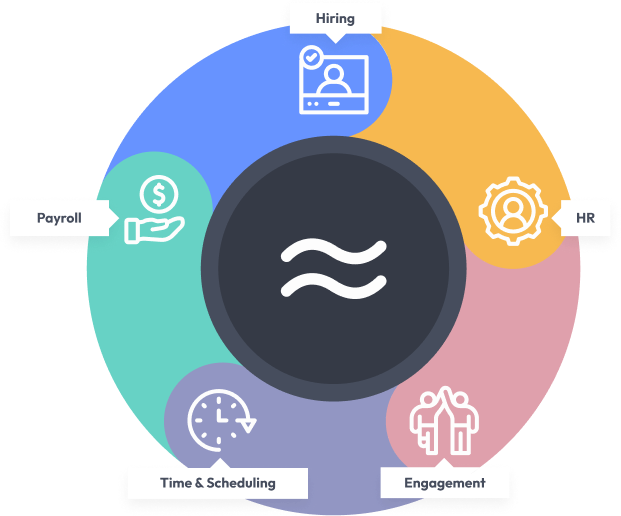

Hiring
Hire better quality workers, faster

HR
Streamline people processes and ensure employee records are always accurate

Engagement
Reduce turnover and increase worker engagement

Time & Scheduling
Manage schedules and hours worked to optimize your labor costs

Payroll
Pay your team quickly, easily, and accurately
resources
Become a hiring and onboarding expert.


Be smart with your hourly workforce
