



How to Hire Patient Navigators: Step-by-Step Guide for Healthcare and Clinic Teams
Learn how to hire patient navigators efficiently with our step-by-step guide, covering recruitment strategies, interview tips, and best practices for finding top talent.

How to Hire Patient Navigators: A Practical Guide for Small Business Healthcare Teams
If you’re running a clinic, hospital, or community health center, you already know the value of a great patient navigator. But let’s be honest—figuring out how to hire patient navigators who truly make a difference can feel like threading a needle in a haystack. The stakes are high: navigators can boost patient satisfaction, reduce no-shows, and even help your bottom line. So, how do you find the right people for this pivotal role? Let’s break it down, with a few detours into what really matters for your team and your patients.
Why Patient Navigators Matter More Than Ever
Before we get into the nuts and bolts of patient navigator recruitment, let’s pause for a second. Why has this role become so critical? Patient navigators bridge the gap between clinical teams and patients, smoothing out the bumps in care journeys. They’re part guide, part advocate, and sometimes even part therapist. Their impact is felt in everything from retention to compliance and patient experience.
With the healthcare landscape shifting—think telehealth, value-based care, and rising patient expectations—navigators are the glue holding it all together. And with labor shortages everywhere, especially in hourly roles, getting patient navigator hiring right is more important than ever. If you ask me, it’s not just about filling a seat; it’s about finding people who can keep your operations humming and your patients coming back.
What Makes a Great Patient Navigator?
- Empathy and strong communication skills
- Experience in healthcare or social services
- Ability to juggle multiple tasks (and personalities!)
- Comfort with digital tools and scheduling platforms
- Commitment to compliance and patient privacy
It’s a tall order, but the right person will make your clinic feel like a well-oiled machine.
Building a Patient Navigator Recruitment Strategy That Works
Let’s be real—posting a job and hoping for the best isn’t enough anymore. You need a strategy that’s proactive, tech-savvy, and tuned to the realities of today’s workforce. Here’s the thing: Workstream’s hiring automation tools can help you streamline every step, from job posting to onboarding. But more on that in a minute.
Step 1: Craft a Standout Job Description
Your job description is your first handshake with potential candidates. Make it count! Highlight not just the tasks, but the impact navigators have on patients’ lives. Be clear about expectations, benefits, and growth opportunities. Need inspiration? Check out these job posting examples for hourly roles and tips for calling out benefits that matter.
Step 2: Source Candidates Where They Are
Gone are the days when all your candidates came from the same job board. Today’s talent pool is scattered across platforms—Indeed, Craigslist, even Instagram. Don’t overlook the power of social media; see how Instagram can boost your hiring game. For healthcare-specific roles, consider local partnerships with schools or community organizations.
Step 3: Screen for Skills and Heart
Screening isn’t just about ticking boxes. Use motivational interviewing techniques and cultural fit interview questions to find candidates who align with your mission. Automated screening tools—like those in Workstream’s hiring platform—can save you hours per week and reduce bias. Honestly, who doesn’t want to reclaim a little time?
Step 4: Streamline Onboarding
Once you’ve found your navigator, don’t let paperwork slow you down. A digital onboarding process gets new hires up to speed quickly and ensures compliance with healthcare regulations. Automated reminders and mobile-friendly forms make a world of difference, especially for busy clinics.
Common Pitfalls in Patient Navigator Hiring (And How to Dodge Them)
Even seasoned managers trip up sometimes. Here are a few common mistakes—and how to sidestep them:
- Vague job descriptions: If you’re not specific, you’ll attract the wrong candidates. Use clear language and highlight what makes your team unique.
- Ignoring soft skills: Technical know-how is great, but empathy and adaptability are non-negotiable in this role. Don’t skip the behavioral interview questions.
- Manual processes: Paperwork piles up fast. Digital workflows, like those in Workstream’s platform, cut down on errors and save everyone’s sanity.
- Neglecting compliance: Healthcare is a regulatory minefield. Make sure your onboarding and recordkeeping meet Department of Labor standards—it’s not worth risking a fine.
And let’s not forget: turnover is expensive. According to industry research, losing a frontline worker can cost thousands. Investing in a smooth hiring and onboarding process pays off in the long run—both in dollars and in team morale.
How to Retain Your Navigators
Hiring is just the beginning. To keep your best people, focus on engagement, clear communication, and meaningful benefits. The impact of benefits on retention is well documented, even outside healthcare. And don’t underestimate the power of a supportive culture—job satisfaction is closely tied to turnover intention.
Leveraging Technology for Seamless Clinical Navigator Staffing
Technology isn’t just a buzzword—it’s your secret weapon. With mobile-first platforms like Workstream, you can automate everything from posting open positions to onboarding new hires. This isn’t just about saving time (though you’ll do plenty of that); it’s about reducing errors, staying compliant, and giving your managers time to focus on what matters—building relationships with your team and your patients.
And here’s a fun fact: clinics using automated hiring tools have been able to reduce turnover by half and cut time-to-hire by 50%. That’s not just a nice-to-have; it’s a game changer for small teams juggling a million things at once.
Stay Ahead with Data and Insights
Want to know how you stack up? Benchmark your hiring and retention efforts against industry leaders using resources like the 2023 Recruitment Marketing Benchmark Report or learn about what’s causing turnover in hospitality—many lessons cross over to healthcare!
Conclusion: Make Patient Navigator Hiring Your Competitive Edge
At the end of the day (oops—old habit, scratch that), hiring the right patient navigator is about more than filling a role. It’s about creating a culture where patients feel supported and your staff feels empowered. Use clear job descriptions, smart sourcing, digital screening, and seamless onboarding to build a team that sticks around. And don’t be afraid to lean on technology—Workstream is designed to make every step easier, from recruitment to onboarding and beyond.
Honestly, if you’re looking to hire care navigators or ramp up your clinical navigator staffing, now’s the time to rethink your approach. The right tools—and the right people—can turn your clinic into a place where both patients and staff thrive. And isn’t that what we’re all working toward?
Further Reading from Workstream
- Explore onboarding templates for a seamless start
- Learn about Workstream’s all-in-one HR platform
- Check out tips for highlighting benefits in job descriptions
- Discover hiring automation tools for healthcare teams
- See how Workstream can help you hire patient navigators
.svg)


All your important HR tasks under one roof
Today’s business owners and HR teams are overwhelmed with administrative tasks: manual processes and exports, duplicative data entry, and siloed information. Workstream centralizes and simplifies people tasks so you can move fast, reduce labor costs, and simplify operations—all in one place.
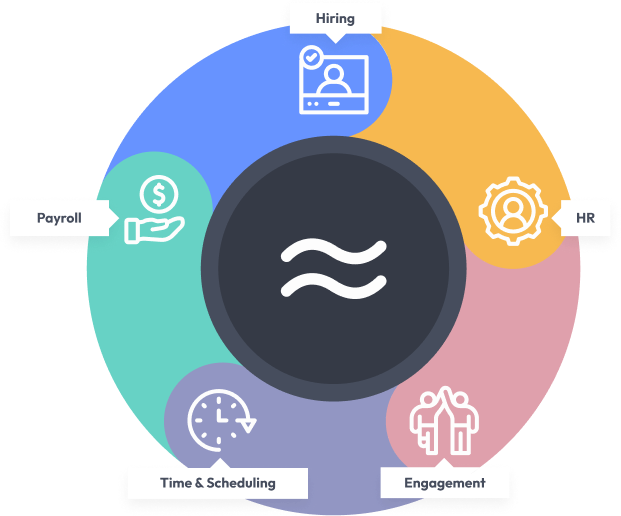

Hiring
Hire better quality workers, faster

HR
Streamline people processes and ensure employee records are always accurate

Engagement
Reduce turnover and increase worker engagement

Time & Scheduling
Manage schedules and hours worked to optimize your labor costs

Payroll
Pay your team quickly, easily, and accurately
resources
Become a hiring and onboarding expert.

Be smart with your hourly workforce
