



How to Hire Pharmaceutical Sales Representatives for Small Businesses: Step-by-Step Guide
Discover proven steps and best practices to hire pharmaceutical sales representatives quickly, ensuring you find top talent for your business and boost your pharmaceutical sales success.

How to Hire Pharmaceutical Sales Representatives: A Modern Guide for Small Businesses
If you ask me, hiring top-notch pharmaceutical sales reps is a bit like finding the right chef for your restaurant—get it wrong, and everything else falls apart. But get it right, and your business can thrive, even in a fiercely competitive market. Whether you’re a growing pharmacy, a specialty distributor, or just dipping your toes into pharma sales recruitment, the process can feel overwhelming. But don’t worry, we’ll break it down together, step by step, with a few detours for real-world context and a sprinkle of practical advice.
Understanding the Role: What Makes a Great Pharmaceutical Sales Rep?
Before you start posting job ads or calling recruiters, it helps to know what you’re actually looking for. Pharmaceutical sales representatives are the face of your company to doctors, pharmacists, and healthcare providers. They need to be persuasive, knowledgeable, and, above all, trustworthy.
- Communication skills: These folks need to explain complex medical information in plain English. It’s not just about selling; it’s about building relationships.
- Industry knowledge: A solid grasp of pharma products, regulations, and compliance is non-negotiable. If you’re new to the industry, explore HRIS certification for a crash course in compliance and tech trends.
- Adaptability: The pharma world changes fast—new drugs, new rules, new competitors. You want reps who can keep up and roll with the punches.
- Persistence and empathy: Sometimes, a rep will hear “no” ten times before getting a “yes.” Empathy helps them understand a client’s real needs, not just push product.
Honestly, it’s a tall order, but the right hire can transform your business. For more on what makes employees stick around, check out how turnover affects the industry—the lessons translate surprisingly well to pharma sales staffing.
Pharma Sales Recruitment: Building a Winning Strategy
Write a Standout Job Description
It all starts with a clear, compelling job post. Highlight the perks, growth opportunities, and the impact your reps have on patient outcomes. If you’re stuck, browse job posting examples for inspiration tailored to hourly and sales roles alike.
Don’t forget to call out benefits—healthcare, flexible schedules, bonuses. According to DoorDash’s research, benefits are a huge driver for attracting and retaining top talent, even outside the restaurant world.
Source Candidates Where They Are
Gone are the days of relying solely on job boards. Today’s pharma sales reps might be networking on LinkedIn, checking industry forums, or even scrolling through Instagram. If you’re looking to cast a wide net, learn how to use Instagram for hiring—it’s not just for food pics anymore.
For a more targeted approach, consider proactive candidate sourcing strategies or digital recruiting tips to reach passive candidates who aren’t actively job hunting but might be open to the right offer.
Screening and Interviewing: Look Beyond the Resume
Let me explain—resumes only tell part of the story. Behavioral interviews, scenario-based questions, and even skills assessments can help you spot the difference between a smooth talker and a true sales pro. For a deep dive into effective interview techniques, check out motivational interviewing tips and the STAR method guide for structured answers.
And if you want to make the process even smoother, platforms like Workstream’s hiring automation can help you automate screening, schedule interviews, and keep candidates engaged—saving you hours every week.
Onboarding and Retention: Setting Your Reps Up for Success
Streamline Onboarding
First impressions matter. A clunky onboarding process can turn off even the most enthusiastic new hire. Consider using onboarding templates to ensure new reps hit the ground running. Digital document management, automated reminders, and mobile-friendly workflows (all available through Workstream’s onboarding tools) can cut onboarding time from hours to minutes.
Compliance and Recordkeeping
Pharmaceutical sales is a highly regulated space. Stay on top of required recordkeeping and compliance requirements to avoid costly mistakes. Automated HR platforms can help you track certifications, manage documents, and keep everything audit-ready.
Keep Your Team Engaged
Engagement isn’t just a buzzword—it’s the secret sauce for reducing turnover and boosting performance. According to Harvard Business Review, engaged employees are less likely to leave and more likely to go the extra mile. Regular check-ins, clear goals, and open communication are essential. For more on setting effective goals, see how to set SMART goals—the principles work for sales teams, too.
And if you’re curious about what keeps employees happy, this survey on employee happiness in restaurants offers insights that apply across industries.
Common Pitfalls and How to Avoid Them
- Rushing the process: It’s tempting to fill seats fast, but a bad hire can cost you big time. According to HuffPost, high turnover is more expensive than you think.
- Neglecting culture fit: A rep who doesn’t mesh with your company values can cause friction. Use culture fit interview questions to assess alignment.
- Ignoring ongoing training: The pharma industry never stands still. Invest in regular training—effective training techniques can keep your team sharp and compliant.
- Forgetting about benefits: Benefits aren’t just a “nice to have.” They’re a must for attracting and keeping talent. For more, see how benefits impact engagement even in hourly roles.
And remember, with platforms like Workstream, you can replace multiple HR tools, cut costs, and streamline everything from hiring to payroll—freeing up time to focus on building relationships, not wrangling paperwork.
Conclusion: The Future of Pharmaceutical Sales Staffing
Hiring pharmaceutical sales representatives isn’t just about filling a quota—it’s about finding people who will champion your brand, connect with customers, and drive real results. The landscape is changing, with technology, compliance, and employee expectations all evolving. But with a thoughtful approach, the right tools, and a bit of patience, you can build a sales team that’s ready for anything.
So, next time you’re staring at a stack of resumes or wondering how to get your job post in front of the right eyes, remember: a little strategy goes a long way. And if you ever need help, Workstream’s team is just a click away—no pressure, just practical support.
Further Reading on Workstream
- Learn more about hiring automation for hourly and sales roles
- Explore onboarding templates for a smoother start
- Discover how benefits packages impact retention
- Check out job posting examples to attract quality candidates
- Contact Workstream for personalized support
.svg)


All your important HR tasks under one roof
Today’s business owners and HR teams are overwhelmed with administrative tasks: manual processes and exports, duplicative data entry, and siloed information. Workstream centralizes and simplifies people tasks so you can move fast, reduce labor costs, and simplify operations—all in one place.
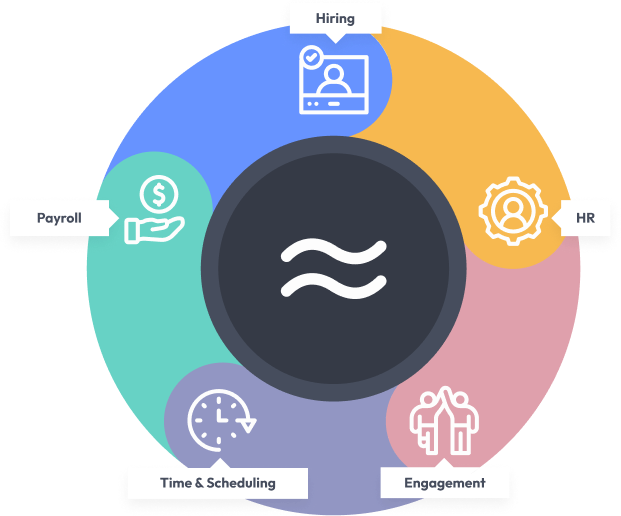

Hiring
Hire better quality workers, faster

HR
Streamline people processes and ensure employee records are always accurate

Engagement
Reduce turnover and increase worker engagement

Time & Scheduling
Manage schedules and hours worked to optimize your labor costs

Payroll
Pay your team quickly, easily, and accurately
resources
Become a hiring and onboarding expert.



Be smart with your hourly workforce
