



How to Hire Valets: Proven Strategies to Recruit, Onboard, and Retain Top Parking Staff
Discover the best strategies to hire valets efficiently, from sourcing top talent to onboarding and retaining reliable staff for your restaurant or hospitality business.

How to Hire Valets: A Practical Guide for Parking Operators and Small Business Owners
If you’ve ever pulled up to a busy restaurant, hotel, or event and handed your keys to a smiling valet, you know just how much first impressions matter. For business owners, figuring out how to hire valets who are reliable, personable, and efficient isn’t just a nice-to-have—it’s a must. But let’s be honest: finding and keeping great valet parking staff can sometimes feel like you’re chasing your own tail. Let’s roll up our sleeves and walk through the essentials, from recruiting parking attendants to onboarding, compliance, and retention strategies that actually work.
Why Valet Parking Staff Are the Face of Your Business
Before we talk about how to hire valet attendants, let’s acknowledge the obvious: these folks are often the first and last people your customers interact with. Their attitude and efficiency can make or break a guest’s experience. In fact, high turnover in hospitality is a chronic headache, so investing in the right people up front pays off in spades.
What Makes a Great Valet?
- Customer service skills: A warm smile and a calm demeanor go a long way. According to employee happiness surveys, positive work environments boost retention.
- Attention to detail: From handling keys to parking cars safely, detail matters.
- Physical stamina: Valets are on their feet, often running, for hours.
- Trustworthiness: You’re literally handing over the keys to your business’s reputation.
Honestly, if you ask me, hiring for attitude and training for skill is the way to go. Some of the lowest-turnover chains swear by this approach.
Recruiting Parking Attendants: Where and How to Find the Right People
So, where do you start when you need to recruit parking attendants? It’s not just about posting a job ad and crossing your fingers. You need a process that attracts quality candidates and weeds out the ones who might bolt after two weeks.
Crafting the Perfect Job Posting
- Highlight the benefits—flexible shifts, tips, growth opportunities.
- Be clear about expectations: physical requirements, driving record checks, customer service responsibilities.
- Showcase your company culture. According to research on job satisfaction, culture drives retention.
Don’t forget, using platforms like Indeed or even Instagram can help you reach younger, tech-savvy applicants who are looking for flexible hourly work. And if you want to see how the pros do it, check out some job posting examples that attract quality hourly workers.
Screening and Interviewing: Don’t Skip the Details
- Use pre-employment assessments to evaluate driving skills and customer service aptitude.
- Ask about real-life scenarios—how would they handle a fender bender or a difficult guest?
- Check references and driving records. Safety first, always.
If you want to speed things up and avoid no-shows, automated hiring tools like Workstream’s hiring automation can cut your time-to-hire in half and reduce interview no-shows by 55%. That’s not just a sales pitch—it’s a lifeline when you’re short-staffed on a Saturday night.
Onboarding and Compliance: Setting Up for Success
Once you’ve found your dream team, onboarding them quickly and efficiently is key. The faster you get new hires up to speed, the sooner they can start delivering five-star service. But there’s a catch: compliance. You’ve got to keep your paperwork in order, or you’ll be in hot water with the Department of Labor faster than you can say “lost ticket.”
Onboarding Essentials for Valet Parking Service
- Use digital onboarding templates to streamline paperwork and training.
- Automate reminders for document completion—nobody likes chasing signatures.
- Provide clear training on company policies, safety, and customer service.
For compliance, remember you must keep accurate records of hours, wages, and employment eligibility. The U.S. Department of Labor has a handy checklist, and using a platform like Workstream can help you avoid costly mistakes—saving you up to $25K a year on lawsuits and fees. Not bad for a few clicks.
Retention: How to Keep Your Valet Team Happy and Engaged
Now, let’s talk turkey: turnover. The average cost to replace a front-line employee in hospitality is nearly $6,000, according to industry data. That’s money you could be putting toward marketing, new uniforms, or—let’s be real—just keeping the lights on.
What Drives Valet Parking Staff to Stay?
- Competitive pay and tips—don’t lowball your team. See how other companies pay hourly workers to stay competitive.
- Flexible schedules—tools like 24-hour schedule templates and shift swapping make a huge difference.
- Recognition and growth opportunities. Regular feedback, clear paths to promotion, and celebrating milestones (even a 10-year work anniversary) go a long way.
- Benefits—yes, even for part-time staff. According to DoorDash research, offering benefits is a game-changer for recruitment and retention.
Want to see how the best in the business keep their teams happy? Harvard Business Review has tips on engaging young hourly workers, and Modern Restaurant Management breaks down the real cost of turnover.
Modern Solutions: Streamlining Valet Parking Hiring with Technology
Let’s face it—old-school hiring methods just can’t keep up with the pace of today’s hospitality world. That’s where platforms like Workstream come in, built specifically for hourly businesses like yours. With mobile-first tools, you can:
- Automate screening and interview scheduling (saving three hours a week per location!)
- Onboard staff digitally, reducing onboarding time from hours to minutes
- Centralize employee data and scheduling, so you’re never caught off guard by a last-minute callout
- Ensure compliance, payroll, and communication are all in one place
It’s like trading in your old clipboard for a smartphone—once you make the switch, you’ll wonder how you ever managed without it. Plus, you can replace up to seven different HR tools and save $30K a year. That’s not just smart—it’s essential in a business where every dollar counts.
Conclusion: Hiring Valets Doesn’t Have to Be a Headache
Hiring the right valet parking staff is about more than just filling a schedule—it’s about creating memorable experiences for your guests and building a team that sticks around. By focusing on smart recruiting, digital onboarding, compliance, and retention, you’re not just solving today’s staffing challenge—you’re setting your business up for long-term success.
And if you want to make your life a whole lot easier, consider using a platform like Workstream to manage the entire process. Your future self (and your bottom line) will thank you.
Related Resources on Workstream
- Read more about restaurant hiring strategies for hourly roles.
- Explore traits of committed employees to look for during the hiring process.
- Discover how Dunkin' improved hiring and applicant experience using Workstream.
- Check out tips for highlighting benefits in job descriptions.
- See how 24-hour schedule templates can help with employee scheduling.
.svg)


All your important HR tasks under one roof
Today’s business owners and HR teams are overwhelmed with administrative tasks: manual processes and exports, duplicative data entry, and siloed information. Workstream centralizes and simplifies people tasks so you can move fast, reduce labor costs, and simplify operations—all in one place.
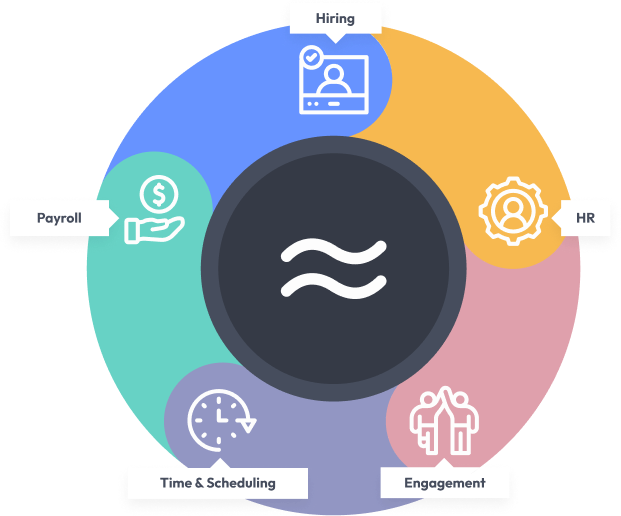

Hiring
Hire better quality workers, faster

HR
Streamline people processes and ensure employee records are always accurate

Engagement
Reduce turnover and increase worker engagement

Time & Scheduling
Manage schedules and hours worked to optimize your labor costs

Payroll
Pay your team quickly, easily, and accurately
resources
Become a hiring and onboarding expert.



Be smart with your hourly workforce
