



How to Hire Commis Chefs: Streamline Recruitment and Onboarding for Your Kitchen Team
Discover how Workstream’s mobile-first platform streamlines the process to hire commis chefs, recruit junior chefs, and build a reliable kitchen team with automated, text-based workflows.

How to Hire Commis Chefs: A Practical Guide for Small Business Owners
Let’s be honest: finding the right commis chef can feel like trying to catch lightning in a bottle—especially for busy restaurant owners juggling a thousand things. If you ask me, the secret sauce is equal parts preparation, patience, and a dash of smart technology. Whether you’re looking to hire commis chefs, recruit line cook assistants, or bring on entry-level talent, this guide will help you build your kitchen dream team without losing your mind (or your margins).
The Role of Commis Chefs and Why They Matter
Commis chefs—sometimes called junior chefs or prep cooks—are the backbone of any bustling kitchen. They’re the ones peeling, chopping, and prepping so your line cooks and head chefs can work their magic. But here’s the thing: commis chef recruitment isn’t just about filling a spot; it’s about finding someone eager to learn, reliable, and able to handle the heat (literally).
If you want to recruit entry-level chefs who stick around, you need to understand what motivates them. Did you know that restaurant turnover costs can eat up thousands of dollars each year? That’s money better spent on fresh ingredients or a new espresso machine, right?
- Commis chefs often start as baristas, dishwashers, or even bussers—so don’t overlook internal candidates.
- They want clear paths for growth. Show them how they can move up to sous chef or beyond.
- Engagement is key: happy kitchen teams mean better food and fewer headaches for everyone (see Michelin’s take on turnover).
Where to Find—and How to Attract—Great Junior Chefs
Recruiting isn’t just about posting a job and hoping for the best. You have to meet candidates where they are—sometimes literally. The best commis chefs might be working at the diner down the road or browsing job boards between shifts.
Crafting Job Posts That Actually Work
Your job ad should be as enticing as your daily special. Spell out what makes your kitchen unique and why someone would want to join your team. For inspiration, check out these job posting examples that attract quality hourly workers.
- Highlight growth opportunities and benefits—don’t just list duties.
- Mention flexible schedules if you offer them. Flexibility is gold for many hourly workers (Fortune’s research on hourly worker happiness).
- Use creative language that reflects your brand personality (see creative recruitment ads).
Sourcing Candidates: Go Beyond the Basics
If all you’re doing is posting on Indeed or Craigslist, you’re missing out. Tap into culinary schools, local Facebook groups, and even your own staff’s networks. For more sourcing tips, see how to proactively find candidates.
- Use digital recruiting strategies to broaden your reach (Monster’s digital recruiting guide).
- Leverage text-based hiring tools like Workstream’s hiring automation platform to speed up communication and reduce no-shows by up to 55%.
- Don’t underestimate referrals—your current team often knows who’s hungry for a shot.
The Interview Process: Spotting the Gems from the Gravel
Screening for Skills and Attitude
Sure, knife skills matter—but attitude is everything. Ask questions that reveal work ethic, adaptability, and eagerness to learn. Use resources like motivational interviewing techniques or try these cultural fit interview questions tailored for restaurant teams.
- Include a quick trial shift if possible. You’ll learn more in an hour of real kitchen work than in any interview.
- Look for signs of commitment—check out this list of traits of committed employees.
- If you’re pressed for time, consider using pre-employment assessments (eSkill’s assessment platform) to screen candidates efficiently.
Avoiding Common Pitfalls in Commis Chef Recruitment
Don’t rush it! Hiring the first warm body who walks through the door can backfire fast. High turnover is costly—both in dollars and morale (see how turnover hits your bottom line). Instead:
- Check references—even if it feels old-school.
- Be upfront about expectations and kitchen culture.
- Offer a clear onboarding process. A smooth start increases retention (onboarding statistics and impact).
Onboarding and Retaining Your New Prep Chefs
The First Days: Set Them Up for Success
Your new commis chef’s first week sets the tone for their whole experience. A structured onboarding plan reduces confusion and boosts confidence (onboarding tips from Forbes). For practical templates, try these onboarding templates for new hires.
- Pair new hires with a buddy or mentor for hands-on training.
- Set clear goals for the first month—nothing motivates like progress.
- Make sure they understand safety protocols and food handling requirements (food handler certification info).
Retaining Talent: Keep Your Junior Chefs Growing
If you want to keep good people, invest in their development. Regular feedback, opportunities to learn new skills, and recognition go a long way (improving labor and productivity tips). For engagement strategies tailored to hourly teams, see tips to improve engagement of hourly employees.
- Create a path from commis chef to line cook and beyond—show them there’s a future with you.
- Use scheduling tools that give staff more control over their hours (how Gap empowers hourly workers with scheduling tech).
- Acknowledge milestones—celebrating even small wins can boost morale (work anniversary ideas).
The Workstream Advantage: Streamlining Commis Chef Recruitment
If you’re tired of juggling spreadsheets, emails, and sticky notes just to fill one kitchen role, consider an all-in-one solution like Workstream’s HR platform. It automates repetitive tasks so you can focus on building relationships with your team—not paperwork.
- Cut time-to-hire in half: Automated screening and interview scheduling means less waiting around.
- Reduce turnover by half: Smart onboarding tools help new hires feel welcome from day one.
- Save money: Replace multiple HR tools with one platform and slash compliance costs (learn about Workstream onboarding features).
- No more missed shifts: Mobile-friendly scheduling keeps everyone on the same page (scheduling template tips).
If you want proof that this approach works, see how leading franchises have scaled up with smarter hiring strategies (Five Guys’ growth story). Or check out how Dunkin’ improved their applicant experience using streamlined processes (Dunkin' franchisee case study).
A Few Final Thoughts (and a Friendly Nudge)
You don’t have to do it alone. Hiring commis chefs—or any junior kitchen staff—can be stressful, but it doesn’t have to be a slog. Use technology where it makes sense, trust your gut when it comes to people, and keep learning from others in the industry. If you’re ready to make your next hire easier (and maybe even fun?), explore what Workstream has to offer. And remember: every great head chef started as someone’s commis—so treat each new hire like they could be your next star.
Related Reading from Workstream:
.svg)


All your important HR tasks under one roof
Today’s business owners and HR teams are overwhelmed with administrative tasks: manual processes and exports, duplicative data entry, and siloed information. Workstream centralizes and simplifies people tasks so you can move fast, reduce labor costs, and simplify operations—all in one place.
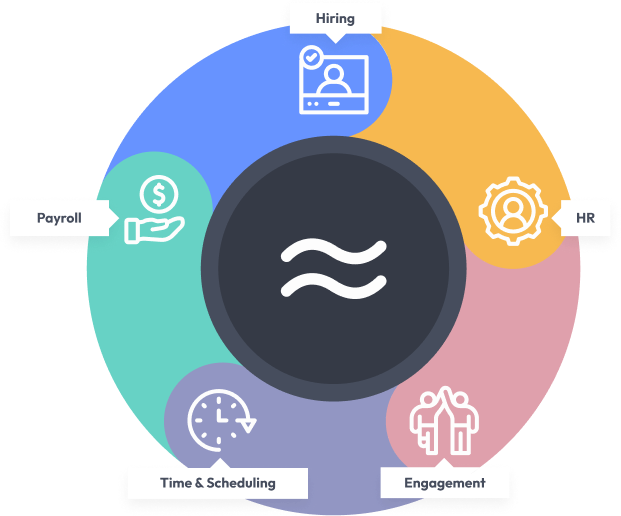

Hiring
Hire better quality workers, faster

HR
Streamline people processes and ensure employee records are always accurate

Engagement
Reduce turnover and increase worker engagement

Time & Scheduling
Manage schedules and hours worked to optimize your labor costs

Payroll
Pay your team quickly, easily, and accurately
resources
Become a hiring and onboarding expert.


Be smart with your hourly workforce
