



How to Hire Audio Engineers: A Practical Guide for Small Businesses
Discover how to hire audio engineers who elevate your business’s sound, streamline hiring, and boost customer experience with Workstream’s all-in-one HR platform.

How to Hire Audio Engineers: The Practical Guide for Small Businesses
If you’re running a restaurant, franchise, or any business where sound quality matters, you know that to hire audio engineers is both an art and a science. Whether it’s for live events, in-store music, or keeping your drive-thru clear as a bell, getting the right talent is essential. But let’s be honest—finding skilled audio professionals can feel like tuning a vintage radio on a stormy night. So, how do you cut through the static and build a team that makes your business sound as good as it looks?
Why Hiring Audio Engineers Matters More Than Ever
Audio isn’t just background noise—it’s the heartbeat of your customer experience. From the moment your guests walk in, what they hear shapes their mood and memory of your brand. Hire audio engineers who understand this, and you’ll notice the difference in everything from customer satisfaction to staff morale.
But here’s the thing: audio engineering isn’t just about plugging in a few mics and calling it a day. It’s about technical know-how, creative problem-solving, and, honestly, a little bit of magic. If you’re not sure where to start, writing an effective job post can help attract top candidates who fit your needs.
Understanding the Role: Audio Engineers vs. Sound Technicians
The terms get tossed around like pizza dough—audio engineer, sound technician, audio pro. But there are differences worth knowing:
- Audio Engineers: Handle complex systems, mixing, mastering, and troubleshooting. They’re your go-to for high-stakes events or permanent installations.
- Sound Technicians: Often focus on setup, basic operation, and equipment maintenance. Think of them as the backbone of your day-to-day audio needs.
For more on hiring frontline staff and understanding their roles, check out these key qualities in great managers.
Where to Find and How to Hire Audio Professionals
Let’s cut to the chase: the right talent isn’t always knocking on your door. Sometimes you’ve got to get creative with your audio technician recruitment.
Crafting the Right Job Description
Start with clarity—what do you really need? Are you looking for someone who can run a live show every Friday night or someone to maintain your sound system year-round? For inspiration, see creative job posting tips that help your listing stand out.
- Be specific: List must-have skills (e.g., experience with digital mixers or wireless mics).
- Mention certifications: If you need someone with AVIXA or similar credentials, say so.
- Highlight perks: Flexible schedules or instant pay access can set you apart (learn more about instant pay).
Sourcing Candidates: Go Beyond the Obvious
Your next star might be lurking outside traditional job boards. Consider these strategies:
- Social Media: Platforms like Instagram and Facebook are goldmines for creative talent. See how to use Instagram for hiring hourly workers.
- Industry Groups: Local musician forums or AV clubs often have job boards or referrals.
- Referrals: Ask current employees or partners if they know reliable audio pros.
If you want more ideas for sourcing talent, check out candidate sourcing strategies.
The Interview: What to Listen For (Literally)
Resumes are nice, but when it comes to sound engineer hiring, nothing beats hearing what someone can actually do. Don’t be afraid to ask candidates to demonstrate their skills—maybe even run a quick soundcheck on-site.
Key Interview Questions for Audio Engineers and Sound Technicians
- Technical Know-how: “Can you walk me through setting up a PA system for a live band?”
- Troubleshooting: “What’s your process when there’s unexpected feedback during an event?”
- Cultural Fit: “How do you handle last-minute changes from performers or managers?” (For more on this, see cultural fit interview questions.)
- Teamwork: “Describe a time you had to coordinate with other staff under pressure.”
If you want to dig deeper into behavioral interviewing, this STAR method guide is a great resource.
Avoiding Common Pitfalls in Audio Engineer Staffing
I’ve seen it time and again—businesses rush the process and end up with mismatched hires or costly turnover. Here’s how to avoid those headaches:
- Don’t Ignore Soft Skills: Technical chops matter, but so does attitude. A grumpy genius won’t help your team thrive.
- Avoid Vague Expectations: Spell out duties and hours up front. Surprises are only fun at birthday parties.
- Stay Compliant: Keep accurate records of hours and pay (see wage recordkeeping guidelines). It’s not glamorous, but it’ll save you $25K a year in potential lawsuits and fees.
- Mind the Turnover Trap: High turnover eats into profits. Learn about its impact in the hospitality industry from this deep dive on turnover causes.
If you’re struggling with turnover rates, check out how some businesses have tackled this issue in the restaurant industry by reading about employee turnover solutions.
The Power of Automation in Audio Engineer Staffing
You don’t have to juggle all these tasks alone. Platforms like Workstream's hiring automation tools can help streamline everything from posting jobs to scheduling interviews—saving you time and reducing no-shows by up to 55%. That means less stress for you and a smoother experience for candidates.
The Onboarding Process: Setting Up for Success
You’ve found your person—now what? Onboarding is where many businesses stumble. A rushed process leads to confusion and mistakes (and nobody wants feedback squealing through the speakers at a big event). For tips on onboarding hourly workers efficiently, see this guide on onboarding best practices for hourly employees.
- Create a checklist: Cover everything from safety protocols to equipment training.
- Use digital tools: Mobile-friendly onboarding (like what Workstream offers) can reduce paperwork and get new hires up to speed faster.
- Mental health matters: Flexible schedules and clear communication help retain staff (learn why scheduling flexibility matters).
If you’re looking for onboarding templates that actually work, check out these onboarding templates for new hires.
The Big Picture: Building a Sound Team for the Long Haul
The truth is, when you hire audio engineers thoughtfully—balancing technical skills with personality and cultural fit—you’re investing in your business’s reputation. And with the right tools (like an all-in-one HR platform), you can cut your time-to-hire in half and slash turnover rates dramatically. That’s not just good for your bottom line; it’s good for everyone who walks through your doors.
If you want more insights into how technology is transforming hourly hiring—and why businesses like yours are replacing seven separate HR tools with one—take a look at what Workstream can do for you on their about page.
A Few Final Notes…
- If you’re curious about how other businesses are tackling staffing challenges, read stories like Five Guys’ growth journey.
- If you want to compare wages or benefits across companies before making an offer, check out this resource on hourly wage comparisons.
- If compliance keeps you up at night (and it should!), see how digital platforms can help with recordkeeping and reporting by reviewing these Department of Labor guidelines.
- If you're looking for more ways to improve retention and engagement among hourly staff, here's an excellent read on engagement strategies for young hourly workers.
- If you're still unsure about which employment type suits your needs best, explore this guide on hourly vs salaried jobs.
The Takeaway: Make Every Hire Count (and Sound Great)
You don’t need to be an audio expert yourself—you just need the right team behind you. Take your time with each step: define what you need, source creatively, interview thoroughly, and onboard with care. And if you ask me? Lean into tech solutions that make the process easier for everyone involved.
Your business deserves to sound its best—and so do your customers. Happy hiring!
.svg)


All your important HR tasks under one roof
Today’s business owners and HR teams are overwhelmed with administrative tasks: manual processes and exports, duplicative data entry, and siloed information. Workstream centralizes and simplifies people tasks so you can move fast, reduce labor costs, and simplify operations—all in one place.
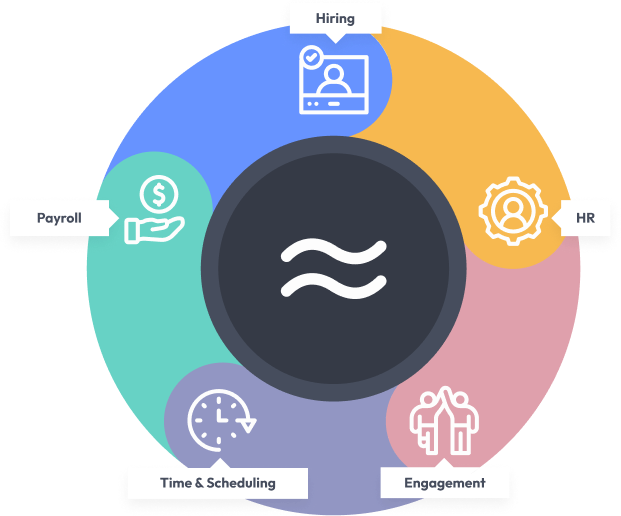

Hiring
Hire better quality workers, faster

HR
Streamline people processes and ensure employee records are always accurate

Engagement
Reduce turnover and increase worker engagement

Time & Scheduling
Manage schedules and hours worked to optimize your labor costs

Payroll
Pay your team quickly, easily, and accurately
resources
Become a hiring and onboarding expert.


Be smart with your hourly workforce
