



How to Hire Certified Medication Aides: Streamline Your Healthcare Staffing Process
Streamline how you hire certified medication aides with Workstream’s mobile-first platform—automate recruitment, onboarding, and scheduling to build a stronger healthcare team faster.

How to Hire Certified Medication Aides: A Practical Guide for Small Businesses
If you’re running a nursing home, assisted living facility, or any operation that depends on reliable healthcare staff, you know the struggle is real. Hiring certified medication aides isn’t just about filling a shift—it’s about trust, compliance, and, honestly, keeping your sanity in a high-turnover world. So, how do you recruit certified medication aides who stick around and truly care? Let’s dig into the nitty-gritty.
The Role of Certified Medication Aides: More Than Just Pill Pushers
Certified medication aides (CMAs) are the backbone of many healthcare teams. They’re not just handing out meds; they’re monitoring patient reactions, documenting everything meticulously, and often acting as a comforting presence for residents. In nursing home staffing, these folks can make or break your reputation.
But here’s the kicker: regulations and requirements for CMAs vary by state. Always check your local laws before you even post a job ad—no one wants a compliance headache. For more on compliance and documentation, check out the U.S. Department of Labor’s recordkeeping guidelines.
Why Certification Matters
- Legal Compliance: Only certified aides can administer medication in most states.
- Patient Safety: Certification ensures a baseline of knowledge and skill.
- Insurance & Liability: Uncertified staff can put your business at risk—financially and legally.
If you’re unsure about certification requirements, organizations like SHRM offer resources to help you stay on track.
Recruit Certified Medication Aides: Where and How?
Let’s face it—finding quality candidates for medication aide recruitment is tough. The market is competitive, and turnover is high. But there are ways to stand out.
Crafting the Right Job Description
Your job post is your first handshake. Make it count! Highlight pay, benefits, flexibility, and growth opportunities. For inspiration, explore these job posting examples and learn how to call out benefits in your job descriptions.
- Be specific: List required certifications and experience clearly.
- Mention perks: Flexible schedules, instant pay access (instant pay access)—these matter!
- Showcase culture: Candidates want to know they’ll be respected and supported. For tips on building a strong workplace culture, see this guide on company culture.
Sourcing Candidates: Go Beyond the Basics
You’ve posted the job—now what? Here’s where things get interesting.
- Tap into niche job boards: Sites focused on healthcare roles often attract more qualified candidates.
- Leverage social media: Platforms like Instagram can be surprisingly effective for hourly roles. See how to use Instagram for hiring hourly workers.
- Referrals work wonders: Your current staff may know great CMAs looking for new opportunities.
- Automate outreach: Streamline your process with tools like Workstream’s hiring automation, which reduces time-to-hire by half and slashes turnover rates.
If you’re curious about what really draws candidates in, check out this study on salary and job ads.
Screening and Interviewing: Don’t Just Go Through the Motions
Here’s the thing: resumes tell part of the story, but interviews reveal the heart. When you hire healthcare staff, especially in nursing home staffing, soft skills matter as much as technical chops. Are they patient? Can they handle stress? Will they treat residents with dignity?
Interview Tips for Medication Aide Recruitment
- Behavioral questions: Ask about real-life scenarios—what would they do if a resident refuses medication?
- Cultural fit: Use these cultural fit interview questions to see if they’ll mesh with your team.
- Motivational interviewing: Try these motivational interviewing techniques to gauge commitment.
- Automated screening: Save hours with AI-powered screening tools—Workstream’s platform can save you three hours per week per location just on screening alone!
If you want a deep dive into onboarding and interview processes, this Forbes onboarding guide is worth a look.
Nailing Compliance and Onboarding: Don’t Cut Corners!
This is where many small businesses stumble. Proper onboarding isn’t just paperwork—it’s about setting expectations, ensuring compliance, and making new hires feel welcome from day one. If you ask me, a good onboarding process can mean the difference between a long-term hire and another empty shift next month.
The Legal Stuff (Disclaimer!)
This article is for informational purposes only. Always consult with legal counsel or your state’s regulatory board for specific compliance requirements regarding medication aide certification and practice.
Smooth Onboarding = Lower Turnover
- Digital onboarding: Tools like Workstream’s new hire onboarding let you handle paperwork, background checks, and training reminders—all from a phone.
- Training matters: Don’t skimp on training! Check out these effective training techniques.
- Set clear expectations: Use onboarding templates like these onboarding templates for new hires.
- Mental health support: The job is stressful—don’t forget to offer resources for maintaining mental health (mental health course)!
If you’re interested in how onboarding impacts retention, see this research on employee onboarding statistics.
The Real Cost of Turnover—and How to Beat It
No one likes to talk about it, but turnover in healthcare is brutal. Every lost aide means lost knowledge, lower morale, and higher costs. According to some estimates, replacing a single front-line employee can cost over $5,800 (turnover rate analysis). And that doesn’t even count the impact on patient care or staff morale.
- Engagement matters: Engaged employees are less likely to leave. Explore ways to improve engagement in your team with these employee engagement tips.
- Scheduling flexibility: Give workers more control over their schedules—see how Gap did it in this article on schedule control for hourly employees.
- Competitive pay: Compare your wages with industry leaders using this guide to hourly wage comparisons.
- Avoid burnout: Burnout drives turnover—learn more about its causes from this Gallup report on burnout causes.
If you want more insight into why turnover happens in assisted living specifically, don’t miss this look at the factors behind high turnover rates in assisted living.
The Workstream Difference: Making Medication Aide Recruitment Less Painful
I’d be remiss not to mention that platforms like Workstream are changing the game for small businesses looking to hire healthcare staff. With mobile-first workflows, automated scheduling, instant communication tools, and digital onboarding, you can reduce time-to-hire by half—and keep your sanity intact.
- Simplified hiring: Post once and reach multiple job boards instantly (hourly workers for hire)
- No more manual scheduling headaches: Automated shift creation keeps everyone in sync (24 hour schedule template)
- Baked-in compliance: Digital document storage helps avoid those $25K compliance fines!
- Employee engagement tools: Announcements and reminders reduce no-shows by up to 55%.
If you want to see how other franchises are winning with smarter hiring automation, check out these stories from successful brands like Five Guys’ franchise growth journey, or learn how Dunkin’ streamlined their applicant experience with Workstream’s platform (Dunkin' franchisee case study).
The Bottom Line: Hire Certified Medication Aides With Confidence (and Less Stress)
If you’re still reading—thanks! Honestly, hiring certified medication aides isn’t easy, but with the right tools and approach, it gets a whole lot less painful. Focus on clarity in your job ads, use smart technology to automate the grunt work, invest in onboarding and engagement, and always keep compliance front and center. Your patients—and your bottom line—will thank you.
A Few More Resources Worth Bookmarking
.svg)


All your important HR tasks under one roof
Today’s business owners and HR teams are overwhelmed with administrative tasks: manual processes and exports, duplicative data entry, and siloed information. Workstream centralizes and simplifies people tasks so you can move fast, reduce labor costs, and simplify operations—all in one place.
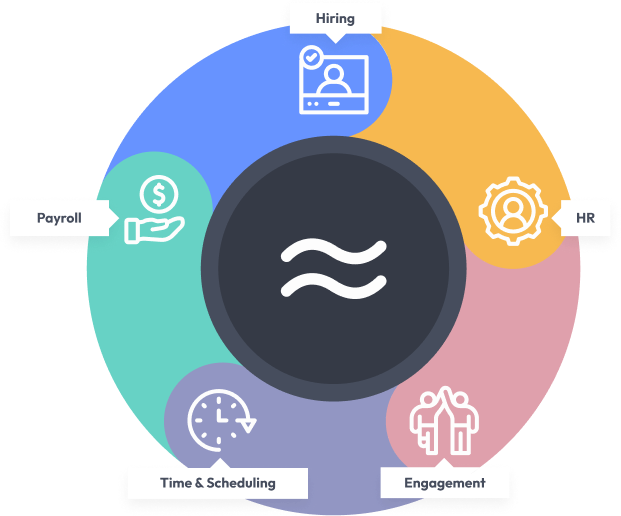

Hiring
Hire better quality workers, faster

HR
Streamline people processes and ensure employee records are always accurate

Engagement
Reduce turnover and increase worker engagement

Time & Scheduling
Manage schedules and hours worked to optimize your labor costs

Payroll
Pay your team quickly, easily, and accurately
resources
Become a hiring and onboarding expert.


Be smart with your hourly workforce
