



How to Hire Vocational Rehabilitation Counselors: Step-by-Step Guide for Small Business Owners
Discover effective steps to hire vocational rehabilitation counselors, attract top talent, and streamline your restaurant’s hiring process with our comprehensive guide.

How to Hire Vocational Rehabilitation Counselors: A Practical Guide for Small Business Owners
If you’re running a business that supports people with disabilities, injuries, or barriers to employment, you already know the value of a great vocational rehabilitation counselor. But how do you actually hire vocational rehabilitation counselors who will stick around, make a difference, and help your organization thrive? Let’s break it down—no jargon, just real talk, a few tangents, and the kind of advice you’d want from a seasoned HR pro over coffee.
Understanding the Role: What Makes Vocational Rehabilitation Staff Essential?
Before you even post that job listing, it’s worth pausing to consider what vocational rehabilitation staff really do. These folks aren’t just career coaches—they’re advocates, problem-solvers, and sometimes, miracle workers. They help clients navigate the world of work with everything from job placement to skills training, and they often juggle compliance, paperwork, and a fair share of emotional labor.
Given the high turnover rates in related fields, finding and keeping talented counselors is no small feat. So, what should you look for? Empathy, patience, and a knack for creative problem-solving are must-haves. But don’t forget about tech skills—digital recordkeeping and remote counseling are here to stay, especially after the pandemic shifted so much online.
Why Retention Matters as Much as Recruitment
It’s easy to focus on hiring, but honestly, keeping good people is half the battle. According to industry research, high turnover can cost you thousands in lost productivity and retraining. And in the world of vocational counseling, continuity is everything—clients need to build trust with their counselors.
Recruitment Strategies: Where and How to Find Rehab Counselor Talent
Let’s get practical. Where do you actually find qualified candidates? Sure, you can post on the usual job boards, but the real magic happens when you get creative and proactive.
- Tap into local universities: Many vocational counselors come from programs in counseling, psychology, or social work. Build relationships with career centers and professors.
- Network with professional associations: Groups like the National Rehabilitation Association or state-level rehab organizations are goldmines for referrals and job postings.
- Leverage technology: Modern platforms like Workstream’s hiring automation can help you manage applications, schedule interviews, and even screen candidates with AI-powered tools—saving you hours every week.
- Don’t underestimate word-of-mouth: Your current team probably knows someone who’d be a great fit. Employee referral programs can work wonders here (here’s a toolkit).
Screening and Interviewing: What to Ask and What to Watch For
When it comes to interviewing, behavioral questions are your best friend. Ask about times they’ve handled difficult cases, advocated for clients, or navigated tricky compliance issues. Don’t forget to check for cultural fit—your team’s vibe matters more than you might think (here are some great questions).
And if you’re feeling a bit overwhelmed by the paperwork, consider digital solutions. Platforms like Workstream streamline onboarding, document collection, and compliance—all from a mobile device. It’s a game-changer, especially if you’re juggling multiple locations or remote staff.
Onboarding and Retaining Your New Vocational Counselors
So, you’ve made the hire—now what? Onboarding is where you set the tone for everything that follows. A clunky, paper-heavy process can send new hires running for the hills. Instead, try a digital onboarding template that covers compliance, policies, and cultural expectations in one smooth workflow.
- Set clear expectations: Outline job duties, performance metrics, and communication norms from day one.
- Provide mentorship: Pair new hires with experienced team members for guidance and support.
- Offer ongoing training: The field is always changing—keep your team sharp with regular professional development. Resources like free online courses can help.
- Recognize achievements: Even a simple shout-out in a team meeting can boost morale and retention (here’s why recognition matters).
Why Benefits and Flexibility Are Non-Negotiable
Let’s be real: pay and benefits matter. Research shows that robust benefits packages help attract and retain top talent, especially in tough labor markets. Flexible scheduling, mental health support, and professional growth opportunities can make your offer stand out. And if you’re curious about how other hourly businesses are handling pay and perks, here’s a look at McDonald’s approach.
Compliance, Legal Details, and Avoiding Common Pitfalls
Now, here’s the not-so-fun part: compliance. When you hire rehab counselors, you’re on the hook for a lot of legal requirements—think background checks, credential verification, and wage recordkeeping. The Department of Labor has a handy checklist, and platforms like Workstream can automate much of the documentation process.
Don’t forget about ongoing training for things like HIPAA, ADA, and state-specific regulations. And always—always—keep accurate, up-to-date records. It’s not glamorous, but it’ll save you headaches (and possibly lawsuits) down the road.
Disclaimer: This article provides general guidance and is not a substitute for professional legal advice. Always consult your attorney or compliance expert for your specific situation.
Common Mistakes to Avoid
- Rushing the process: It’s tempting to fill vacancies quickly, but a bad hire costs more than waiting for the right fit (here’s why).
- Neglecting onboarding: If you skip this step, you risk losing new hires before they hit their stride (onboarding tips here).
- Ignoring feedback: Regular check-ins help catch issues early and show your team you care (more on feedback here).
Why Workstream Makes Vocational Counselor Recruitment Easier
If you ask me, the right tools can make all the difference. Workstream’s platform was built for businesses just like yours—ones that need to hire vocational rehabilitation counselors quickly, efficiently, and compliantly. With features like smart screening, automated interview scheduling, digital onboarding, and integrated payroll, you can cut your HR tool costs by up to 50% and reduce turnover by half. That’s not just talk; it’s backed by real numbers from businesses using the platform every day.
And if you’re curious about how other organizations are using technology to boost retention and engagement, check out this story on Gap’s scheduling app or Walmart’s digital transformation. The trend is clear: automation frees up managers and counselors to do what matters most—helping people.
Final Thoughts: Hiring for Heart and Skill
At the end of the day, hiring vocational counselors isn’t just about ticking boxes—it’s about finding people who care, who connect, and who can roll with the punches. With the right recruitment strategy, digital tools, and a focus on retention, you’ll build a team that makes a real impact. And if you ever feel stuck, remember: there’s no shame in reaching out for help or exploring new tech solutions. After all, your clients—and your business—deserve the best.
Further Reading and Resources
.svg)


All your important HR tasks under one roof
Today’s business owners and HR teams are overwhelmed with administrative tasks: manual processes and exports, duplicative data entry, and siloed information. Workstream centralizes and simplifies people tasks so you can move fast, reduce labor costs, and simplify operations—all in one place.
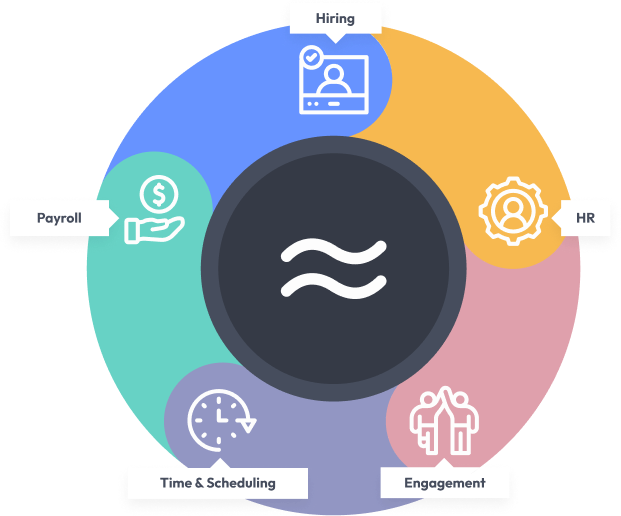

Hiring
Hire better quality workers, faster

HR
Streamline people processes and ensure employee records are always accurate

Engagement
Reduce turnover and increase worker engagement

Time & Scheduling
Manage schedules and hours worked to optimize your labor costs

Payroll
Pay your team quickly, easily, and accurately
resources
Become a hiring and onboarding expert.

Be smart with your hourly workforce
