



How to Hire Lifeguards: Step-by-Step Guide for Aquatic Centers, Pools, and Seasonal Businesses
Discover effective strategies to hire lifeguards, attract top talent, and streamline your hiring process for aquatic centers and pools with our expert recruitment tips.

How to Hire Lifeguards: A Practical Guide for Aquatic Centers and Seasonal Businesses
Let’s face it—when summer rolls around and the pools open, every aquatic center manager starts thinking about how to hire lifeguards fast, efficiently, and without losing sleep. If you ask me, finding reliable water safety personnel is a bit like searching for the perfect sunscreen: everyone says they’ve got the best, but you really have to dig to find what works for your unique needs. Whether you’re running a busy city pool, a lakeside resort, or a neighborhood swim club, the process of lifeguard recruitment can feel overwhelming. But with the right approach, you can build a team that keeps your guests safe and your stress levels low.
The Lifeguard Labor Market: Why It’s Tougher Than You Think
Seasonal Hiring and the Shrinking Talent Pool
Every year, the pool of available lifeguards seems to shrink a little more. Blame it on changing summer job trends, rising certification costs, or just the lure of air-conditioned retail gigs. According to staffing industry statistics, the demand for seasonal workers is at an all-time high, and lifeguards are no exception. In fact, high turnover isn’t just a restaurant problem—it’s a headache for aquatic centers, too.
So, what’s the secret sauce to recruit water safety personnel who actually stick around? For starters, understanding why young workers leave is half the battle. Research on hourly worker retention shows that engagement, clear communication, and growth opportunities play a huge role in keeping staff happy.
Certification, Compliance, and Legal Must-Knows
Before you even post that “Now Hiring Lifeguards” sign, you need to know your legal responsibilities. The Department of Labor requires accurate recordkeeping for all employees, including lifeguards. And don’t forget about safety training and certifications—these aren’t just nice-to-haves, they’re non-negotiable for compliance and liability protection. If you’re ever unsure about the latest requirements, consult with a labor attorney or check out resources from employment law experts.
Smart Strategies for Lifeguard Recruitment
Start Early—And Think Beyond the Pool Deck
The best time to start your lifeguard recruitment is before the snow melts. Seriously, waiting until May is like trying to buy fireworks on the Fourth of July—good luck finding what you need. Reach out to local high schools, colleges, and swim teams as early as possible. And don’t forget about digital outreach: posting jobs on free job boards and using social media platforms like Instagram can attract a wider pool of candidates. For tips on crafting standout postings, check out creative job posting tips.
Offer Competitive Pay and Perks
Let’s be honest: pay matters. According to SHRM research, salary is the first thing job seekers look at. But perks like flexible scheduling, bonuses, and even daily pay options (see instant pay access) can tip the scales in your favor. Some aquatic centers have found success by offering reimbursement for certification courses or providing free uniforms. For more ideas, explore creative perks that work.
Streamline the Application and Onboarding Process
No one likes paperwork—especially Gen Z. Make your application process mobile-friendly and as simple as possible. Platforms like Workstream can automate interview scheduling, background checks, and digital document collection, saving you hours and reducing errors. For onboarding, consider using digital onboarding templates to ensure every new hire gets up to speed quickly and consistently.
Building a Strong Team: Training, Engagement, and Retention
Invest in Training and Ongoing Development
Hiring lifeguards is just the first step. The real magic happens when you invest in effective training sessions and ongoing development. Not only does this keep your team sharp, but it also boosts morale and reduces turnover. According to case studies on low turnover, investing in skill-building pays off in loyalty and performance.
Foster Engagement and Team Culture
Ever notice how some pools just have that “good vibes” energy? That’s not an accident. Creating a positive work environment, where lifeguards feel valued and heard, is crucial. Work-life balance and flexibility are big draws for young workers. Use flexible scheduling tools and keep communication lines open. Even small gestures—like celebrating birthdays or recognizing a job well done—can go a long way. For more on boosting engagement, see tips for engaging hourly workers.
Retain Your Best—And Plan for the Next Season
Retention is the name of the game. The cost of replacing a single lifeguard can add up quickly, especially when you factor in training and lost productivity. Turnover costs are real, and so are the headaches. Consider offering end-of-season bonuses or creating a pathway for returning staff. For more on robust retention strategies, check out SHRM’s retention guide.
Compliance, Safety, and the Human Side of Aquatic Center Hiring
Stay on Top of Legal and Safety Requirements
Compliance isn’t glamorous, but it’s absolutely essential. From wage and hour laws to safety certifications, make sure you’re following the latest guidelines. The Department of Labor and employment law firms offer up-to-date resources. And if you’re using a digital HR platform like Workstream, you can automate much of the recordkeeping and compliance tracking, which is a huge relief when audit season comes around.
Don’t Forget the Human Touch
At the end of the day, hiring lifeguards isn’t just about certifications and schedules—it’s about building a team that keeps your community safe. Take time to get to know your candidates. Ask about their motivations, their past experiences, and what they hope to gain from the job. For a list of great interview questions, check out cultural fit interview tips. And remember, a little empathy goes a long way—sometimes, the best lifeguards aren’t the ones with the longest resumes, but the ones who care the most.
Conclusion: Make Lifeguard Recruitment Your Summer Superpower
Hiring and retaining lifeguards is a challenge, no doubt about it. But with early planning, smart outreach, and a focus on engagement and compliance, you can build a team that keeps your aquatic center running smoothly all season long. And if you’re looking to save time, reduce costs, and create a better experience for everyone involved, platforms like Workstream are worth a look. They’re designed for hourly businesses like yours, and honestly, they take a lot of the hassle out of hiring and managing seasonal staff.
Ready to make your next hiring season the best yet? Start early, stay organized, and never underestimate the power of a well-run team. After all, when your lifeguards are happy, your guests are safer—and isn’t that what summer’s all about?
Further Reading on Workstream
- Discover hiring automation tools for hourly workers
- Explore onboarding templates for a smooth start
- Learn about creative job posting tips to stand out
- Get insights on employee engagement for hourly staff
- See how Workstream’s platform can help your business
.svg)


All your important HR tasks under one roof
Today’s business owners and HR teams are overwhelmed with administrative tasks: manual processes and exports, duplicative data entry, and siloed information. Workstream centralizes and simplifies people tasks so you can move fast, reduce labor costs, and simplify operations—all in one place.
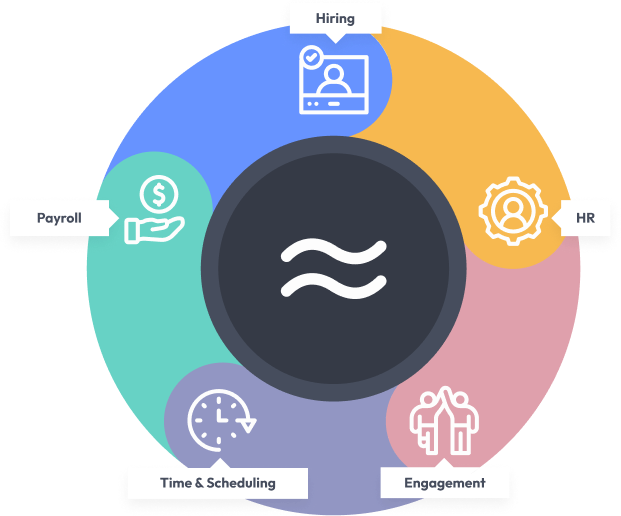

Hiring
Hire better quality workers, faster

HR
Streamline people processes and ensure employee records are always accurate

Engagement
Reduce turnover and increase worker engagement

Time & Scheduling
Manage schedules and hours worked to optimize your labor costs

Payroll
Pay your team quickly, easily, and accurately
resources
Become a hiring and onboarding expert.



Be smart with your hourly workforce
