



How to Hire Material Planners: Step-by-Step Strategies for Finding Top Talent
Discover proven strategies and essential steps to hire material planners efficiently, ensuring your restaurant’s supply chain runs smoothly and supports business growth.

How to Hire Material Planners: A Practical Guide for Small Businesses
If you've ever wondered why your inventory sometimes feels like a wild horse that just won't be tamed, you’re not alone. For franchisees, restaurant owners, and small business operators, getting the right person to manage materials can make or break your bottom line. The process to hire material planners isn’t just about posting a job and hoping for the best. It’s about understanding what makes a great planner, how to attract them, and how to keep them engaged—without losing your mind or your margins.
Why Material Planners Matter (And Why You Can’t Afford to Get It Wrong)
Let’s be real: a good material planner is the secret sauce behind smooth operations. They’re the folks who make sure you’re not running out of napkins on a Friday night or overstocked on burger buns when you’re prepping for Taco Tuesday. If you ask me, the right hire can be the difference between chaos and calm in your supply chain.
- They keep your labor costs in check by minimizing overtime and waste.
- They help you avoid costly payroll mistakes related to inventory mismanagement.
- They’re key to reducing turnover—nobody likes working in a constantly disorganized environment.
And let’s not forget compliance. The Department of Labor has strict recordkeeping requirements, and a savvy material planner helps you stay on the right side of the law. One lawsuit or fine can cost you thousands—money better spent on your team or your next location.
Building the Blueprint: What Makes a Great Material Planner?
Key Skills and Qualities
Material planners are a rare breed. They need to be detail-oriented, quick on their feet, and comfortable with both spreadsheets and people. If you’re looking to recruit inventory control specialists or hire material planning experts, look for:
- Strong communication skills (they’ll be talking to vendors, warehouse staff, and maybe even your accountant).
- Experience with HRIS or inventory management systems.
- Problem-solving chops—when a shipment is late, they need to have a Plan B (and C).
- Attention to detail, but not so much that they get stuck in the weeds.
Honestly, finding someone who balances all that is a bit like searching for a unicorn. But don’t worry—there are ways to make your search easier.
Writing a Job Description That Attracts the Right People
If your job posting is just a laundry list of duties, you’re missing out. According to industry experts, the best postings highlight growth opportunities, company culture, and benefits. For inspiration, check out these job posting examples tailored to the hourly workforce.
And don’t forget to call out perks—flexible scheduling, instant pay access, or even free meals can tip the scales. For more on how to showcase benefits, see these tips for job descriptions and the DoorDash report on benefits and retention.
Material Planner Recruitment: The Step-By-Step Process
1. Sourcing Candidates
Start by tapping into your network and using platforms designed for hiring automation. Don’t overlook social media—posting on Instagram or Facebook can help you reach candidates who might not be checking the usual job boards. Here’s a guide to using Instagram for hiring.
For a more proactive approach, explore these candidate sourcing strategies and digital recruiting tips.
2. Screening and Interviewing
Screening is where things can get tricky. Automated tools can save you hours by filtering out unqualified applicants. For small businesses, using a platform like Workstream means you can automate interview scheduling and even use text-based reminders to cut down on no-shows.
When it comes to interviews, focus on scenario-based questions. Ask how they’d handle a late delivery or a sudden spike in demand. For more interview inspiration, check out these motivational interviewing techniques and cultural fit questions.
3. Onboarding and Retention
Once you’ve found your planner, don’t drop the ball on onboarding. A smooth start helps reduce turnover and sets the tone for long-term success. Explore onboarding templates and onboarding best practices to get it right.
Retention is a whole other ballgame. Offer ongoing training, recognize achievements, and check in regularly. The cost of turnover is real, and investing in your people pays off. For more on keeping employees happy, see this survey on employee happiness and engagement strategies for hourly workers.
Common Pitfalls and How to Avoid Them
Even the best-laid plans can go sideways. Here are a few traps to watch for:
- Hiring based on gut feeling instead of structured interviews. Use the STAR method for better results.
- Ignoring the need for ongoing training—employees want to grow, not stagnate. Try effective training techniques to keep them engaged.
- Failing to communicate expectations. A clear operations manual or employee handbook sets everyone up for success.
And here’s a little secret: using a comprehensive platform like Workstream can help you avoid these headaches. By automating the boring stuff, you get more time to focus on what really matters—building a team that feels like family and runs like clockwork.
Supply Chain Staffing: Looking Ahead
The world of supply chain staffing is changing fast. AI tools, mobile-first platforms, and flexible scheduling are becoming the norm. If you want to stay competitive, you’ve got to keep up. For more on where the industry is headed, check out the latest human capital trends and workforce solutions.
And remember, the best material planners aren’t just number crunchers—they’re collaborators, problem-solvers, and, sometimes, miracle workers. Treat them well, and they’ll help your business thrive, rain or shine.
Final Thoughts: Bringing It All Together
Hiring a material planner isn’t just another task on your to-do list—it’s a strategic move that can transform your business. By focusing on clear job descriptions, smart sourcing, structured interviews, and thoughtful onboarding, you’ll find the right person for the job. And with platforms like Workstream in your corner, you’ll save time, cut costs, and build a team that’s ready for whatever comes next.
Curious to learn more about how to streamline your hiring and onboarding? Check out these resources:
.svg)


All your important HR tasks under one roof
Today’s business owners and HR teams are overwhelmed with administrative tasks: manual processes and exports, duplicative data entry, and siloed information. Workstream centralizes and simplifies people tasks so you can move fast, reduce labor costs, and simplify operations—all in one place.
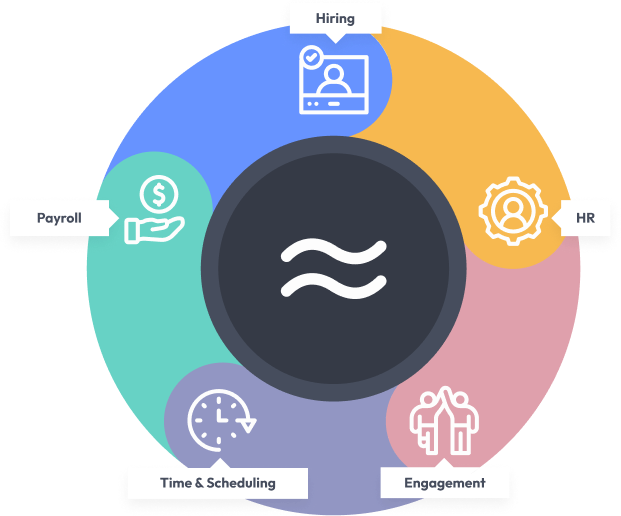

Hiring
Hire better quality workers, faster

HR
Streamline people processes and ensure employee records are always accurate

Engagement
Reduce turnover and increase worker engagement

Time & Scheduling
Manage schedules and hours worked to optimize your labor costs

Payroll
Pay your team quickly, easily, and accurately
resources
Become a hiring and onboarding expert.


Be smart with your hourly workforce
