



How to Hire Supply Technicians: Step-by-Step Tips to Find, Recruit, and Retain Top Talent
Discover proven strategies to hire supply technicians efficiently, from crafting job descriptions to onboarding top talent, with this step-by-step guide for restaurants and hospitality businesses.

How to Hire Supply Technicians: A Practical Guide for Small Businesses
Ever tried to hire supply technicians and felt like you were searching for a needle in a haystack? You’re not alone. Whether you run a bustling restaurant, a busy franchise, or a local retail shop, finding and keeping great supply staff can feel like a never-ending challenge. But here’s the thing—getting the right people in these critical support roles can make or break your operations. Let’s break down what works, what doesn’t, and how you can make supply tech recruitment less of a headache and more of a win for your business.
The Real Role of Supply Technicians—And Why They Matter
Supply technicians are the unsung heroes of the back office, the folks who keep inventory moving and shelves stocked. Without them, your kitchen runs out of ingredients, your retail floor looks bare, and your customers start to notice. But recruiting supply staff isn’t just about filling a slot—it’s about building a team that keeps your business humming.
What Does a Supply Technician Do?
- Manages inventory and orders supplies
- Tracks shipments and deliveries
- Ensures compliance with safety and storage regulations
- Maintains records for audits and reporting (see federal recordkeeping requirements)
Honestly, if you’ve ever been caught off guard by a missing shipment or a surprise stockout, you know just how vital these folks are. The right supply technician keeps chaos at bay and lets you focus on what you do best—serving customers.
Supply Tech Recruitment: Where Most Businesses Get Stuck
Let’s be real: the labor market for hourly roles is tight, and supply tech recruitment comes with its own set of hurdles. High turnover, low engagement, and a shortage of qualified candidates can turn hiring into a full-time job. But there are ways to get ahead—if you know where to look.
Why Is It So Hard to Recruit Supply Staff?
- Turnover rates are sky-high in hourly and support roles
- Many candidates lack experience with inventory systems or compliance
- Job descriptions are often vague or outdated (learn how to write better job descriptions)
- Competition from other industries is fierce (see how employers are loosening requirements)
And here’s a little secret: sometimes, the problem isn’t the candidates—it’s the hiring process itself. If your application process is clunky or your interview scheduling is slow, you’ll lose the best people before you even meet them.
How to Hire Supply Technicians—Step by Step
Ready to turn things around? Here’s a practical, step-by-step approach to hire supply technicians who stick around and make a difference.
1. Write a Clear, Compelling Job Description
Don’t just copy last year’s posting. Use templates and tips from industry guides and modern job posting examples to highlight what makes your business unique. Spell out the skills you need—attention to detail, reliability, and experience with inventory software.
2. Source Candidates Where They Are
- Post on specialized job boards and use free job posting sites to reach a wider pool
- Leverage social media—yes, even Facebook groups can be gold for local hires (see how Instagram helps with hiring)
- Encourage employee referrals—your best staff often know other reliable workers (learn about referral programs)
3. Screen and Interview Efficiently
Automate screening with tools that flag qualified candidates quickly (see how hiring automation works). Schedule interviews via text or mobile apps to cut down on no-shows and delays (10 do’s and don’ts for hiring and onboarding). And when you interview, focus on real-world scenarios—ask how they’d handle a late shipment or a sudden inventory spike (see motivational interviewing tips).
4. Onboard and Train for Success
First impressions matter. Streamline onboarding with digital forms and checklists (find onboarding templates here). Pair new hires with experienced staff for hands-on training (see effective training techniques). And don’t forget compliance—make sure everyone understands safety and documentation rules (importance of certifications).
Retention: Keeping Your Supply Techs Happy (And On Your Team)
Let’s be honest—hiring is only half the battle. If you’re constantly recruiting supply staff because people keep leaving, you’re burning time and money. So what keeps supply technicians loyal?
Competitive Pay and Benefits
It’s not just about the hourly wage. Offer perks like flexible scheduling, instant pay access (learn about instant pay options), and clear paths for advancement (see what hourly workers want). Even small benefits can have a big impact on retention (DoorDash report on benefits and retention).
Recognition and Engagement
- Celebrate milestones and work anniversaries (see how to celebrate work anniversaries)
- Give regular feedback and opportunities for input (qualities of great managers)
- Foster a positive workplace culture (see how culture impacts turnover)
Smart Scheduling and Work-Life Balance
Erratic schedules drive people away. Use digital scheduling tools to give staff more control and predictability (see how Gap improved scheduling). Even small tweaks can reduce burnout and boost morale (impact of flexibility on engagement).
Compliance and Legal Considerations—Don’t Skip This!
Here’s where things can get sticky. Supply technicians often handle sensitive records and regulated materials, so compliance is non-negotiable. Make sure you’re following all wage, hour, and safety laws (see DOL recordkeeping rules). For restaurants, food safety certifications are a must (food handler certificate guide). If you’re unsure, consult a legal expert—better safe than sorry.
Disclaimer: This article is for informational purposes only and does not constitute legal advice. Always consult a qualified attorney for compliance questions.
Why a Modern HR Platform Makes All the Difference
If you ask me, the days of juggling spreadsheets and sticky notes are long gone. Modern HR and payroll platforms like Workstream can automate the most tedious parts of hiring, onboarding, and scheduling. That means less time on paperwork, fewer errors, and more time building a team you trust. Plus, with mobile-first tools, you can reach candidates where they are—on their phones—and keep everyone in the loop with digital workflows. For small businesses, that’s not just nice to have; it’s a game-changer.
Conclusion: Make Supply Tech Hiring Your Competitive Edge
Hiring supply technicians doesn’t have to be a headache. With a clear process, the right tools, and a focus on retention, you can build a team that keeps your business running smoothly—no more last-minute scrambles or empty shelves. And when you use solutions designed for hourly businesses, like Workstream’s all-in-one platform, you’re setting yourself up for less turnover, better compliance, and a lot less stress. Isn’t it time you made hiring your secret weapon?
Further Reading and Resources
.svg)


All your important HR tasks under one roof
Today’s business owners and HR teams are overwhelmed with administrative tasks: manual processes and exports, duplicative data entry, and siloed information. Workstream centralizes and simplifies people tasks so you can move fast, reduce labor costs, and simplify operations—all in one place.
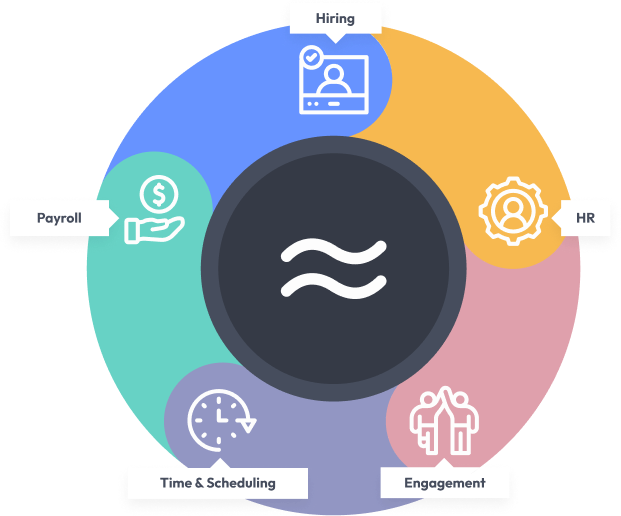

Hiring
Hire better quality workers, faster

HR
Streamline people processes and ensure employee records are always accurate

Engagement
Reduce turnover and increase worker engagement

Time & Scheduling
Manage schedules and hours worked to optimize your labor costs

Payroll
Pay your team quickly, easily, and accurately
resources
Become a hiring and onboarding expert.



Be smart with your hourly workforce
