



How to Hire Dietary Aides Efficiently: Streamline Recruitment for Nutrition Services with Workstream
Streamline how you hire dietary aides with Workstream’s all-in-one HR platform—automate recruitment, onboarding, and scheduling to build a reliable nutrition services team faster.

How to Hire Dietary Aides: A Practical Guide for Small Business Owners
Let’s be honest—if you run a care facility, hospital, or senior living center, you know that finding and keeping great dietary aides can feel like chasing the last slice of pie at a family reunion. The hire dietary aides process is more than just posting a job and hoping for the best. It’s about building a team that makes mealtimes safe, nutritious, and, dare I say, a little brighter for everyone involved. So, how do you recruit dietary aides who’ll stick around and make a real difference? Let me walk you through it, with a few digressions and a dash of real-world wisdom.
Understanding the Dietary Aide Position: More Than Just a Job
First off, let’s clear up what a dietary aide position actually involves. It’s not just about serving food—it’s about supporting nutrition services, ensuring dietary restrictions are met, and creating a positive dining experience for residents or patients. According to industry handbooks, a well-written job description is essential to attract the right candidates. If you ask me, clarity up front saves headaches later.
Core Responsibilities
- Assisting with meal prep and service
- Maintaining sanitation standards
- Communicating with nursing and kitchen staff
- Documenting meal intake and special diets
And here’s the kicker: these roles are often entry-level, but they demand empathy, patience, and a sharp eye for detail. If you want to hire service staff with these qualities, you’ll need more than a generic job post.
Recruit Dietary Aides: Where to Find the Right People
Recruiting dietary aides isn’t just a numbers game. The hospitality industry faces high turnover, and healthcare is no different. So, where do you start?
Crafting a Compelling Job Posting
Honestly, your job ad is your handshake. Highlight growth opportunities, flexible scheduling, and any perks you offer. For inspiration, check out these job posting examples tailored for hourly roles. Don’t forget to mention benefits—benefits matter more than ever for recruitment and retention, even in support roles.
Where to Post
- Industry-specific job boards
- Community colleges and vocational schools
- Social media—yes, even Facebook groups for local job seekers
- Referral programs (your best employees know other great people)
And if you want to cast a wider net, platforms like Indeed and Instagram can help you reach candidates who might not be actively searching but are open to new opportunities.
Dietary Aide Recruitment: Screening, Interviewing, and Onboarding
Here’s the thing: finding applicants is just the first hurdle. Screening and onboarding are where many businesses stumble. According to Harvard Business Review, hiring for attitude and training for skill is a winning combo—especially for entry-level roles like dietary aides.
Screening Tips
- Use automated screening tools to filter for reliability and soft skills
- Ask scenario-based questions (e.g., “How would you handle a resident refusing their meal?”)
- Check references, but also look for patterns of commitment in past roles
For interviews, don’t just focus on technical skills. The best dietary aides are team players who genuinely care about residents’ well-being. Consider using motivational interviewing techniques to gauge fit.
Onboarding That Sticks
Let’s not sugarcoat it—onboarding can make or break retention. A rushed process leads to confusion and early exits. Streamline your onboarding with digital tools like onboarding templates that ensure compliance and clarity from day one. And yes, automating paperwork and reminders can cut onboarding time from hours to minutes, freeing up your managers to focus on people, not paperwork.
Nutrition Services Assistant Recruitment: Retaining and Engaging Your Team
Recruitment doesn’t end with a signed offer letter. Retaining dietary aides is a whole other challenge. According to industry experts, turnover is expensive and disruptive—sometimes costing up to $5,800 per lost employee. That’s a chunk of change for any small business.
Retention Strategies That Work
- Offer clear paths for advancement—think nutrition certification programs or cross-training
- Provide regular feedback and recognition (a little “thank you” goes a long way)
- Foster a sense of belonging—team lunches, open communication, and flexible schedules help
- Use scheduling tools to avoid burnout and last-minute callouts
And don’t forget to monitor engagement. Tools like engagement surveys or simple pulse checks can help you spot issues before they lead to turnover. For more on why engagement matters, see this Harvard Business Review article on retaining hourly workers.
Compliance, Pay, and Practical Pitfalls
Here’s a quick legal digression: dietary aide roles are subject to wage and hour laws. Make sure you’re up to speed on recordkeeping requirements and pay rates. Mistakes here can cost you more than just money—they can damage your reputation, too. If you need a refresher on hourly pay benchmarks, check out this hourly wage comparison.
And a word to the wise: avoid common pitfalls like unclear job expectations, poor training, and inconsistent scheduling. These are the top reasons good aides leave. For more on reducing turnover, this industry guide is a must-read.
Conclusion: Building a Strong Dietary Aide Team for the Long Haul
Hiring and retaining dietary aides isn’t rocket science, but it does take intention, the right tools, and a bit of heart. By crafting clear job descriptions, using smart hiring technology like Workstream, and focusing on engagement and growth, you can build a team that keeps your nutrition services running smoothly—and your residents happy.
Honestly, if you’re still juggling spreadsheets and paper applications, it’s time to rethink your approach. Workstream’s platform is built for businesses like yours, helping you save time, reduce turnover, and create a better experience for everyone involved. After all, your people are your secret ingredient—treat them well, and your whole operation will run better.
More Resources for Your Hiring Journey
.svg)


All your important HR tasks under one roof
Today’s business owners and HR teams are overwhelmed with administrative tasks: manual processes and exports, duplicative data entry, and siloed information. Workstream centralizes and simplifies people tasks so you can move fast, reduce labor costs, and simplify operations—all in one place.
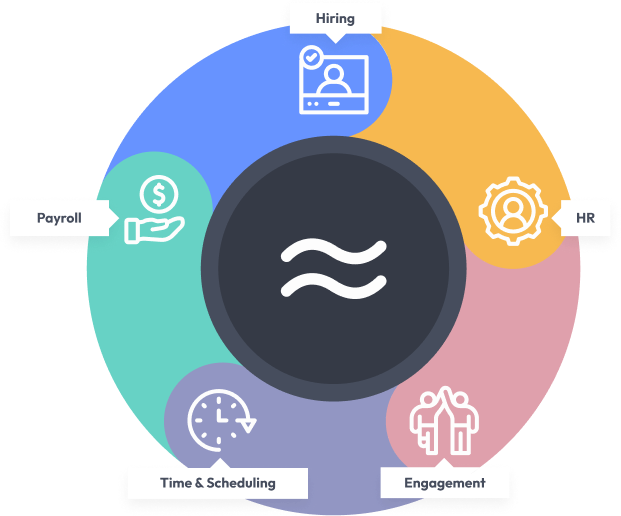

Hiring
Hire better quality workers, faster

HR
Streamline people processes and ensure employee records are always accurate

Engagement
Reduce turnover and increase worker engagement

Time & Scheduling
Manage schedules and hours worked to optimize your labor costs

Payroll
Pay your team quickly, easily, and accurately
resources
Become a hiring and onboarding expert.


Be smart with your hourly workforce
