



How to Hire Tech Computer Technicians: Step-by-Step Tips for Small Business Success
Learn how to hire tech computer technicians with our step-by-step guide. Find and recruit top talent efficiently for your restaurant’s IT needs.

How to Hire Tech Computer Technicians: A Practical Guide for Small Businesses
Let’s be honest—finding the right people to hire tech computer technicians can feel like searching for a needle in a haystack, especially if you’re running a small business or franchise. You want folks who can troubleshoot, repair, and keep your systems humming, but you also need someone who fits your culture and can handle the unexpected curveballs that come with the job. So, where do you start? And how do you avoid the common pitfalls that trip up even the savviest business owners?
Understanding the Role: What Makes a Great Computer Technician?
Before you even post a job ad, it’s worth pausing to ask: what exactly do you need from your next tech hire? Are you looking to hire a Service Technician for day-to-day troubleshooting, or do you need someone with deep knowledge in networking and security? Maybe you want a mechanic-like problem solver who can fix hardware with the precision of a Swiss watchmaker.
Here’s the thing: the best computer repair specialists aren’t just technical wizards. They’re also patient, communicative, and able to translate jargon into plain English for the rest of us. According to resources on job descriptions, clarity in your expectations helps attract candidates who truly fit your needs.
- Technical skills: Hardware repair, software troubleshooting, network setup
- Soft skills: Communication, patience, teamwork
- Certifications: CompTIA A+, Network+, or vendor-specific credentials
If you ask me, sometimes the most valuable skill is a willingness to keep learning—technology never stands still, after all.
Recruiting Tech Staff: Where to Find the Best Candidates
Crafting the Perfect Job Posting
It’s tempting to copy and paste a generic job ad, but that’s a recipe for disappointment. Instead, focus on what sets your business apart and what you can offer tech support team members. For inspiration, check out these job posting examples and creative tips to make your job ad stand out.
Where to Post Your Openings
Don’t just rely on one channel. Post on job boards, leverage social media, and tap into your network. Sites like Indeed for Employers can help you reach a broad pool of candidates. And if you’re looking to hire hourly workers for tech roles, platforms designed for hourly hiring can save you time and headaches.
Screening and Interviewing: What to Look For
Screening tech candidates isn’t just about ticking boxes. You want to assess both technical know-how and cultural fit. Tools like pre-employment assessments can help, but don’t underestimate the power of a good interview. Consider using the STAR method and cultural fit questions to dig deeper.
Onboarding and Retaining Your Tech Support Team
Streamlining Onboarding
First impressions matter—a lot. A clunky onboarding process can turn off even the most enthusiastic new hire. That’s why digital onboarding tools like Workstream’s hiring automation make a real difference. With mobile-friendly document completion and automated reminders, you can reduce onboarding time from hours to minutes. For more ideas, check out these onboarding templates and advice on getting onboarding right.
Building Engagement and Reducing Turnover
Here’s a hard truth: high turnover in tech roles can cost you dearly. According to industry data, losing a front-line employee can cost thousands in lost productivity and recruitment. So, how do you keep your tech support team happy?
- Offer clear career paths and ongoing training (training resources can help)
- Provide competitive pay and benefits (benefits matter more than you think)
- Foster a positive work environment—sometimes it’s the little things, like flexibility or recognition (employee recognition goes a long way)
And if you’re worried about compliance or paperwork, digital HR platforms like Workstream can help you keep everything organized and up to date.
Compliance, Legal Details, and Common Pitfalls
Let’s not sugarcoat it—keeping up with compliance can be a full-time job. But it’s non-negotiable, especially when you hire IT technicians or expand your tech support team. The U.S. Department of Labor outlines the records you need to keep for every worker. And if you’re ever unsure, it’s wise to consult a legal expert. (Disclaimer: This article provides general information, not legal advice!)
Common pitfalls to avoid?
- Vague job descriptions—be specific about duties and expectations (job description resources can help)
- Skipping background checks or reference calls
- Neglecting ongoing training—tech changes fast, so your team needs to keep up (effective training tips)
- Overlooking culture fit—technical skills are essential, but attitude and adaptability matter just as much
Honestly, the right tools can help you sidestep many of these headaches. Workstream’s platform, for example, centralizes employee data, automates reminders, and streamlines compliance, so you can focus on building a strong team instead of chasing paperwork.
Conclusion: Building a Strong Tech Team for the Long Haul
Hiring the right computer repair specialists and IT technicians isn’t just about filling seats—it’s about setting your business up for success. By being thoughtful about your process, using the right tools, and focusing on both technical and cultural fit, you’ll build a tech support team that keeps your business running smoothly, no matter what comes your way.
And if you’re looking for a partner to help you hire tech computer technicians faster, smarter, and with less hassle, Workstream’s platform is designed with hourly and tech roles in mind. Why juggle seven different tools when you can manage hiring, onboarding, scheduling, and payroll in one place?
Further Reading and Resources
- Learn how to use hiring automation to cut your time-to-hire in half
- Explore the role of HRIS analysts in modern workforce management
- Discover traits of committed employees and how to spot them in interviews
- Check out tips for highlighting benefits in your job descriptions
- Find out how Dunkin’ franchisees improved hiring with digital solutions
.svg)


All your important HR tasks under one roof
Today’s business owners and HR teams are overwhelmed with administrative tasks: manual processes and exports, duplicative data entry, and siloed information. Workstream centralizes and simplifies people tasks so you can move fast, reduce labor costs, and simplify operations—all in one place.
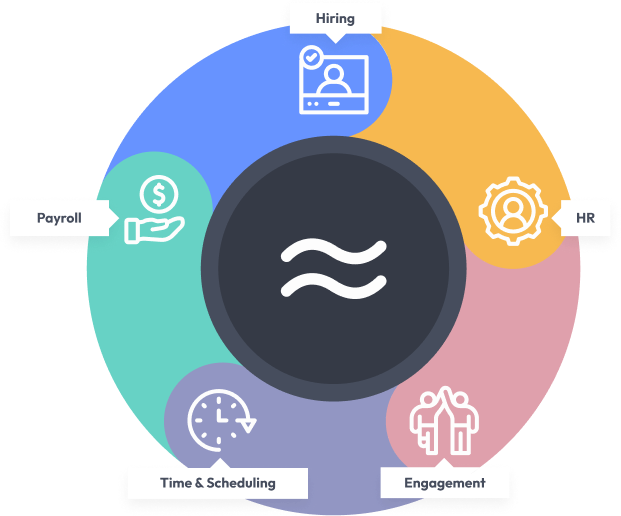

Hiring
Hire better quality workers, faster

HR
Streamline people processes and ensure employee records are always accurate

Engagement
Reduce turnover and increase worker engagement

Time & Scheduling
Manage schedules and hours worked to optimize your labor costs

Payroll
Pay your team quickly, easily, and accurately
resources
Become a hiring and onboarding expert.



Be smart with your hourly workforce
