



How to Hire Banquet Servers: A Practical Guide for Small Business Owners
Discover proven steps and expert tips to hire banquet servers who impress guests, streamline operations, and help your events run smoothly every time.

How to Hire Banquet Servers: A Practical Guide for Small Business Owners
If you’ve ever tried to hire banquet servers for a big event, you know it’s not as simple as posting a job ad and hoping for the best. The right staff can make or break your guests’ experience—so, how do you find banquet staff who are reliable, professional, and ready to hustle? Let me walk you through the ins and outs, with some real-world advice and a few cautionary tales mixed in for good measure.
The Essentials: What Makes a Great Banquet Server?
Before you even start to recruit banquet staff, it helps to know what you’re looking for. Sure, you want someone who can balance a tray and smile at guests, but there’s more to it than that.
- Attention to detail: Spilled wine or a forgotten appetizer can ruin an evening. You want people who notice the little things.
- Stamina and speed: Banquet serving is physically demanding. If you ask me, it’s like running a marathon in dress shoes—so look for folks with energy to spare.
- Teamwork: Events are unpredictable. Your servers need to back each other up when the kitchen’s behind or the timeline shifts.
- Communication skills: Guests will ask questions—sometimes odd ones. Servers should be able to answer confidently or find someone who can.
If you’re curious about what makes restaurant employees happy in general, check out this survey on restaurant employee satisfaction.
Digression: The Cost of Getting It Wrong
Let’s be honest—hiring the wrong person can be expensive. According to industry research on turnover costs, losing a single frontline worker can set you back thousands. And if your events rely on repeat business, one bad experience can echo for years. That’s why it pays to get your hiring process right from the start.
Step-by-Step: How to Hire Banquet Servers Who Stick Around
1. Craft a Standout Job Description
Your job post is your first handshake with potential candidates. Make it count! Highlight pay, perks, and growth opportunities—don’t just list duties. For inspiration, browse these job posting examples for hourly workers.
And don’t forget to call out benefits—flexible scheduling, instant pay access, or even free meals can tip the scales for many applicants. Here are some tips for spotlighting benefits in your job ads.
2. Source Candidates Where They Are
Your next great server might be scrolling through Instagram or checking Craigslist between shifts. Go where your candidates hang out:
- Post jobs on Instagram and other social platforms.
- Leverage Craigslist with targeted ads.
- Encourage employee referrals—word of mouth is still gold in hospitality.
- Tap into local staffing agencies if you need extra hands fast.
If you’re looking for more strategies on how to proactively find qualified candidates, this guide is worth a read.
3. Screen for Attitude—Not Just Experience
A sparkling resume doesn’t always mean a sparkling personality. When you employ banquet server candidates, focus on attitude and willingness to learn. Many top chains have found that hiring for attitude and training for skill leads to lower turnover (here’s how one chain does it).
Use behavioral interview questions—like those in our cultural fit interview guide—to see how candidates handle pressure or tricky guests.
4. Streamline Interviewing and Onboarding
No one likes waiting weeks for a callback. Speed matters! Automated tools like Workstream’s hiring automation platform let you schedule interviews, send reminders, and move candidates through the process quickly—all from your phone. Honestly, if you’re still juggling spreadsheets and sticky notes, you’re making life harder than it needs to be.
A smooth onboarding process also sets the tone for new hires. Check out these onboarding templates to get your new servers up to speed fast.
5. Stay Compliant (and Out of Trouble)
You don’t want your banquet business making headlines for the wrong reasons! Make sure you’re following all wage and hour laws. The U.S. Department of Labor’s recordkeeping guidelines are a must-read for every employer.
If you’re unsure about part-time hours or benefits eligibility, here’s a helpful breakdown of part-time work rules and benefits eligibility. And don’t forget food safety certifications—more on that in our food handler certificate guide.
Beyond the Basics: Retaining Your Banquet Staff
The Power of Scheduling Flexibility
If there’s one thing that keeps hourly workers loyal, it’s control over their schedules. Studies show that flexible scheduling is key to retention (read more about schedule flexibility and retention here). Tools like Workstream help managers create fair schedules, send shift reminders, and reduce last-minute callouts—saving time and headaches all around.
Offer Benefits That Matter
You might think benefits are just for full-timers, but even part-time perks can make a difference in attracting and keeping talent (see how benefits impact recruitment and retention). Consider offering instant pay access (learn why employers are turning to it here) or wellness programs—even small gestures go a long way.
Recognize and Reward Great Work
No one wants to feel invisible at work. Celebrate milestones—whether it’s a decade of service (here’s how to mark big anniversaries) or simply showing up with a positive attitude during a tough event.
Pitfalls to Dodge When You Hire Event Server Teams
- Poor communication: If your staff doesn’t know what’s expected, chaos reigns. Use digital tools to keep everyone in sync (see how communication platforms help frontline teams).
- Ineffective training: Don’t just throw new hires into the fire. Structured onboarding matters (here are effective training techniques).
- Lack of feedback: Regular check-ins build trust and help identify issues before they snowball (insights on HR feedback culture).
- No clear path for advancement: Even banquet servers want to know there’s room to grow (study on talent management and rewards).
The Workstream Advantage: Why Modern Tools Matter
I’ll say it straight: trying to manage hiring and scheduling with paper forms or clunky spreadsheets is asking for trouble. With platforms like Workstream’s hiring automation suite, you can:
- Cut time-to-hire by half, so you never miss out on great candidates.
- Reduce turnover by half, thanks to better screening and onboarding flows.
- Save money on compliance headaches—up to $25K per year by avoiding lawsuits and fines!
- Simplify scheduling, so you stop overpaying or being understaffed (which can save $10K per year per location).
- Replace multiple tools with one platform, reducing HR software costs by up to $30K annually.
- Tame the paperwork beast: Automate document collection and reminders so nothing slips through the cracks.
- Keep your team connected: Send announcements, shift changes, or last-minute updates with just a tap.
If you want to see how other restaurants are handling hiring challenges, take a look at this story about a Dunkin' franchisee improving hiring with Workstream.
A Quick Note on Compliance (Disclaimer!)
This article offers general guidance only; always consult your legal counsel or HR advisor regarding compliance with federal, state, and local employment laws before making hiring decisions.
The Bottom Line: Hire Banquet Servers Who’ll Make You Proud
The secret sauce? Combine smart recruiting strategies with modern technology—and don’t forget the human touch. When you treat your banquet staff as valued partners, not just warm bodies filling uniforms, they’ll go the extra mile for your guests every time. And if you need help along the way, platforms like Workstream are designed specifically for businesses like yours—helping you hire, onboard, schedule, and engage your team without breaking a sweat.
If you’re ready to take your next steps or want more tips on building an hourly workforce that sticks around, check out these resources:
.svg)


All your important HR tasks under one roof
Today’s business owners and HR teams are overwhelmed with administrative tasks: manual processes and exports, duplicative data entry, and siloed information. Workstream centralizes and simplifies people tasks so you can move fast, reduce labor costs, and simplify operations—all in one place.
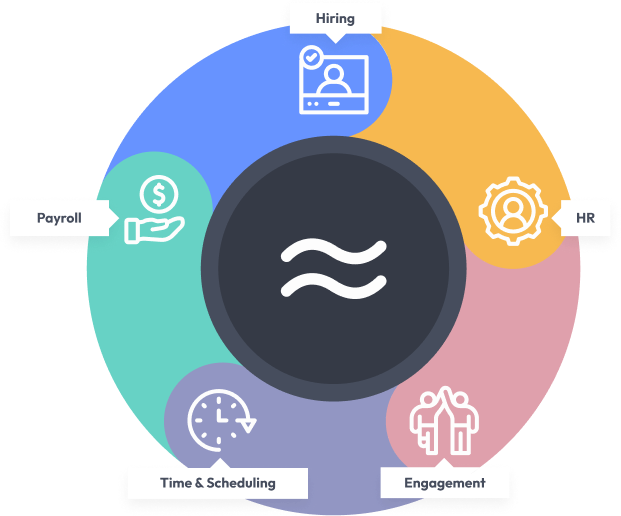

Hiring
Hire better quality workers, faster

HR
Streamline people processes and ensure employee records are always accurate

Engagement
Reduce turnover and increase worker engagement

Time & Scheduling
Manage schedules and hours worked to optimize your labor costs

Payroll
Pay your team quickly, easily, and accurately
resources
Become a hiring and onboarding expert.


Be smart with your hourly workforce
