



How to Hire Pizza Makers: Step-by-Step Guide to Build a Skilled Pizzeria Team
Learn how to hire pizza makers efficiently with our expert tips—find, attract, and retain top pizza-making talent to boost your restaurant’s success.

How to Hire Pizza Makers: Your Recipe for Building a Winning Pizzeria Team
If you ask me, finding the right way to hire pizza makers is a bit like perfecting your signature dough—there’s a science, an art, and a little luck involved. Whether you’re opening your first pizzeria or looking to boost your existing operation, hiring the best pizza kitchen staff can make or break your business. Let’s roll up our sleeves and get into the sauce of it all.
Why Hiring the Right Pizza Makers Matters
Sure, you can have the fanciest oven in town, but without skilled pizza cooks and reliable pizzeria staff, you’re just spinning your wheels. High employee turnover is a notorious issue in restaurants, and the impact of turnover on the restaurant industry is well documented. Losing a single front-line worker can cost you thousands in lost productivity, training, and morale. And let’s be honest, nobody wants to see their best pizza chef walk out the door just before Friday night rush.
According to industry research, losing a pizza maker can cost over $5,800 on average. That’s enough mozzarella to fill a walk-in! So, what’s the secret to keeping your pizza kitchen staff happy and loyal? It starts with a smart hiring process and continues with a supportive work environment.
Crafting the Perfect Job Posting for Pizza Makers
What to Include in Your Job Description
Writing a job post that attracts the right candidates is half the battle. Highlighting what makes your restaurant unique, your team culture, and the specific skills you need can help you stand out. For inspiration, check out these effective job posting examples and creative tips to make your job posting stand out. Don’t forget to mention perks, growth opportunities, and any unique benefits—these are big draws for today’s workforce.
Highlighting Benefits and Flexibility
Benefits aren’t just for corporate jobs. The impact of benefits on recruitment and retention in the restaurant industry is huge. Even offering flexible schedules or instant pay access can set your pizzeria apart. For more on this, see how instant pay access can help you attract and keep top talent.
Where and How to Find Great Pizza Makers
Go Where the Pizza Pros Are
Don’t just stick to the old “Help Wanted” sign in the window. Post your opening on top job boards for hourly workers and use platforms like Indeed and Instagram to reach a wider pool. Social media recruiting is especially effective for younger candidates and those passionate about food service.
Screening and Interviewing Tips
When it comes to interviews, ask questions that reveal both technical skills and cultural fit. Try these cultural fit interview questions and don’t shy away from practical tests—have candidates make a pizza or walk you through their dough-stretching technique. For more on interviewing, check out motivational interviewing techniques and the STAR method guide.
Don’t Forget Compliance and Recordkeeping
It’s not the most exciting part, but keeping accurate records is required by law. Brush up on wage recordkeeping requirements and make sure your onboarding process is smooth and compliant. Digital solutions—like those from Workstream—can help you keep everything organized and above board.
Retaining Your Pizza Kitchen Staff: Beyond the First Slice
Onboarding and Training That Sticks
First impressions matter. A structured onboarding process can turn a nervous new hire into a confident pizza chef. Explore onboarding templates and learn how to get employee onboarding right. Training shouldn’t be a one-and-done deal, either—ongoing coaching helps staff grow and stay engaged.
Building a Positive Culture
Culture eats strategy for breakfast—or maybe for lunch, if you’re in the pizza business. Research shows that organizational culture has a huge impact on job satisfaction and turnover. Simple things like regular feedback, team meals, or even a friendly pizza-making competition can boost morale and foster loyalty.
Offer Growth, Not Just a Paycheck
Many pizza makers want more than just a job—they want a path forward. Offering training, advancement opportunities, or even a shot at managing the kitchen can keep your best people motivated. Take a cue from brands like Five Guys or Chick-fil-A, where internal promotion is the norm.
How Workstream Can Help You Hire Pizza Makers Faster and Smarter
Let’s be real—juggling schedules, interviews, and paperwork is nobody’s idea of a good time. That’s where Workstream comes in. Their mobile-first platform automates hiring, onboarding, and scheduling for hourly roles like pizza makers and pizza chefs. Here’s the thing: Workstream can cut your time-to-hire in half and reduce turnover by 50%. That’s more time for you to focus on what matters—great food and happy customers.
- Automated screening and interview scheduling saves hours each week
- Digital onboarding reduces paperwork and keeps you compliant
- Integrated scheduling tools help avoid overstaffing and burnout
- Communication features keep your team in sync—no more missed shifts
And if you’re worried about cost, consider this: Workstream can replace up to seven separate HR tools, saving you up to $30,000 a year. That’s a lot of extra dough (pun intended) to reinvest in your business.
Common Mistakes to Avoid When Hiring Pizza Makers
Honestly, even seasoned owners trip up sometimes. Here are a few pitfalls to watch for:
- Ignoring cultural fit—skills matter, but attitude is everything (hire for attitude, train for skill)
- Rushing the process—bad hires cost more than an empty spot (the true cost of a bad hire)
- Neglecting onboarding—new hires need guidance, not just a uniform (onboarding tips)
- Overlooking benefits—small perks can mean big retention (engagement strategies)
Conclusion: Your Next Great Pizza Chef Is Out There
Hiring and keeping top-notch pizza makers isn’t rocket science, but it does take intention, the right tools, and a dash of heart. Remember, your pizza kitchen staff are the backbone of your business. Treat them well, invest in their growth, and you’ll see the results in every slice.
Ready to take your hiring process to the next level? Learn more about hiring automation with Workstream or check out how other restaurants are thriving with smart workforce management. Because at the end of the day, a great team is the secret ingredient to any successful pizzeria.
Further Reading from Workstream
- Discover restaurant hiring tips for streamlined recruiting
- Explore onboarding templates for new hires
- Read about calling out benefits in job descriptions
- See factors for high turnover and how to avoid them
- Find out how to part ways with an employee the right way
.svg)


All your important HR tasks under one roof
Today’s business owners and HR teams are overwhelmed with administrative tasks: manual processes and exports, duplicative data entry, and siloed information. Workstream centralizes and simplifies people tasks so you can move fast, reduce labor costs, and simplify operations—all in one place.
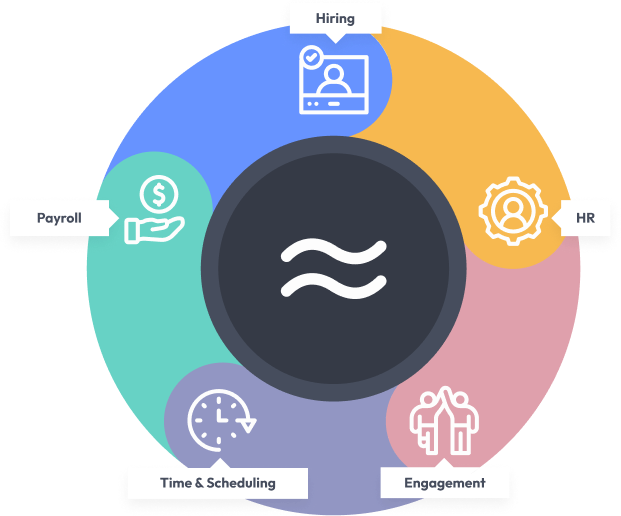

Hiring
Hire better quality workers, faster

HR
Streamline people processes and ensure employee records are always accurate

Engagement
Reduce turnover and increase worker engagement

Time & Scheduling
Manage schedules and hours worked to optimize your labor costs

Payroll
Pay your team quickly, easily, and accurately
resources
Become a hiring and onboarding expert.

Be smart with your hourly workforce
