



How to Hire Nurses: Proven Steps to Recruit, Onboard, and Retain Top Nursing Talent
Learn proven strategies to hire nurses efficiently, attract top talent, and streamline your recruitment process with our comprehensive, step-by-step guide.

How to Hire Nurses: A Practical Guide to Nurse Recruitment and Retention
If you’ve tried to hire nurses lately, you know it’s a wild ride. From rural clinics to bustling hospitals, the search for qualified nursing staff can feel a bit like fishing in a pond that’s been overfished for years. But here’s the thing—while the demand for healthcare heroes keeps climbing, the right approach (and the right tools) can make all the difference. Let’s break down what works, what doesn’t, and how you can build a team of dedicated nurses who stick around.
Why Hiring Nurses Is Tougher Than Ever
Let’s not sugarcoat it: nursing staff recruitment is facing a perfect storm. Between an aging population, burnout, and a growing list of care demands, the competition to hire healthcare staff is fierce. According to the American Staffing Association, healthcare staffing is one of the fastest-growing segments, but turnover is sky-high and retention is a constant battle.
So, what’s driving this? For starters, many nurses are leaving the profession due to stress, lack of support, or simply better opportunities elsewhere. High turnover isn’t just a restaurant problem—it’s hitting healthcare hard, too. And when you lose a nurse, you’re not just losing a pair of hands; you’re losing experience, patient trust, and sometimes even your sanity as a manager.
Understanding the Real Cost of Nurse Turnover
Ever wondered how much it really costs when a nurse walks out the door? Employee turnover can be a budget-buster, with the average cost to replace a single nurse running into the tens of thousands. That’s not even counting the ripple effects on patient care and team morale. If you ask me, investing in better hiring and retention is just common sense.
Building a Winning Nurse Recruitment Strategy
1. Write Job Descriptions That Actually Attract Nurses
Let’s be honest—most job postings for nurses sound the same. But the best candidates are looking for more than a list of duties. They want to know about your culture, your values, and what makes your team different. For inspiration, check out these job posting examples that stand out in a crowded market.
Don’t forget to highlight benefits, flexibility, and growth opportunities. According to DoorDash’s research on benefits and retention, perks and well-being initiatives are major factors in attracting and keeping top talent—even outside the restaurant world.
2. Use Technology to Streamline Nurse Hiring
Let’s face it, the old-school way of sifting through paper resumes and playing phone tag with candidates is a time sink. Modern platforms like Workstream’s hiring automation let you post jobs, screen applicants, and schedule interviews—all from your phone. That’s a lifesaver when you’re juggling a dozen other tasks.
Automated workflows can cut your time-to-hire by half, reduce costly errors, and help you spot red flags before they become headaches. Plus, you can keep candidates engaged with timely updates and reminders, which means fewer no-shows and more successful hires.
3. Cast a Wider Net: Where to Find Nursing Talent
Sometimes the best nurses aren’t actively looking for a job—they’re just open to the right opportunity. That’s why it pays to get creative with your sourcing. Tap into online job boards, social networks, and even Instagram for hiring to reach a broader pool of candidates. Don’t overlook referrals from your current staff, either; they know who’s got the right stuff.
And if you’re struggling to find qualified applicants, check out this guide on proactively finding candidates—it’s packed with tips for building a steady pipeline of nursing professionals.
Interviewing and Onboarding: Setting Nurses Up for Success
Ask the Right Questions
Interviewing nurses isn’t just about checking credentials. You want to find people who fit your culture, can handle the pace, and genuinely care about patients. Try weaving in some cultural fit interview questions to get a sense of how candidates will mesh with your team.
And if you’re looking to improve your interviewing skills, the motivational interviewing techniques guide is a must-read. It’s not just about asking questions—it’s about inspiring candidates to show their best selves.
Onboarding That Sticks
Ever bring on a new nurse, only to see them leave after a few months? You’re not alone. Effective onboarding can make or break retention. A strong onboarding process—like the ones outlined in these onboarding templates—helps new hires feel welcome, supported, and ready to hit the ground running.
And don’t forget compliance! Digital onboarding tools can help you keep track of licenses, certifications, and all those pesky forms. For more on the importance of onboarding, check out Forbes’ onboarding insights.
Retention: Keeping Your Nurses Happy (and On the Team)
Why Nurses Leave—and How to Keep Them
Let’s be real: pay matters, but it’s not the only reason nurses leave. Burnout, lack of recognition, and poor scheduling are big culprits. According to Harvard Business Review, engagement and a sense of purpose are key to retention, especially for younger workers.
If you want to keep your nurses happy, focus on:
- Offering flexible schedules (check out this 24-hour schedule template for inspiration)
- Recognizing achievements and milestones—something as simple as a work anniversary celebration can go a long way
- Providing clear paths for growth and development
- Supporting work-life balance and mental health
For a deep dive into what makes healthcare employees stay, MetLife’s talent retention study is worth a read.
Leveraging Technology for Retention
Here’s a little secret: the right HR platform can help you spot red flags before they turn into resignations. Tools like Workstream’s HR suite let you track engagement, automate reminders, and keep everyone in the loop. Plus, by centralizing communication, you reduce misunderstandings and help nurses feel like part of the team.
And don’t just take my word for it—see how other businesses are using tech to give employees more control over their schedules and boost retention.
Compliance and Legal Details: Don’t Skip the Fine Print
Healthcare is a heavily regulated industry, and missing a step can cost you big time. Make sure you’re up to speed on recordkeeping requirements and always verify licenses and credentials. Digital platforms can help you stay organized and compliant—saving you from those “uh-oh” moments down the road.
Disclaimer: This article provides general information and is not a substitute for legal advice. Always consult with a qualified attorney or compliance expert for your specific situation.
Conclusion: The Future of Nurse Hiring Is Human—and Digital
Hiring and retaining great nurses isn’t about luck—it’s about having the right strategy, the right culture, and the right technology. By focusing on what matters to nurses (flexibility, recognition, growth), and using modern tools like Workstream’s platform, you can build a team that’s not just skilled, but truly committed. And honestly, isn’t that what every healthcare leader wants?
Ready to take your nurse recruitment to the next level? Explore more about hiring automation with Workstream, or see how other businesses are thriving with streamlined hiring and strong retention strategies. If you’re curious about how technology can help you manage your hourly workforce or want to get in touch with Workstream, there’s a resource for that too. Here’s to building a healthier, happier team—one nurse at a time.
.svg)


All your important HR tasks under one roof
Today’s business owners and HR teams are overwhelmed with administrative tasks: manual processes and exports, duplicative data entry, and siloed information. Workstream centralizes and simplifies people tasks so you can move fast, reduce labor costs, and simplify operations—all in one place.
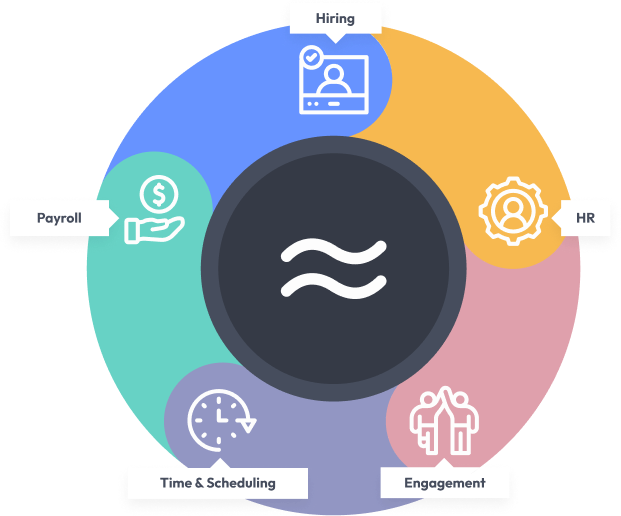

Hiring
Hire better quality workers, faster

HR
Streamline people processes and ensure employee records are always accurate

Engagement
Reduce turnover and increase worker engagement

Time & Scheduling
Manage schedules and hours worked to optimize your labor costs

Payroll
Pay your team quickly, easily, and accurately
resources
Become a hiring and onboarding expert.



Be smart with your hourly workforce
