



How to Hire Courtesy Clerks: Streamline Recruitment for Front-End Service Success
Streamline how you hire courtesy clerks with Workstream’s mobile-first platform—automate courtesy clerk recruitment, simplify onboarding, and build a stronger front-end service team today.

How to Hire Courtesy Clerks: A Practical Guide for Store Owners
If you run a grocery store, supermarket, or retail operation, you know that courtesy clerks—sometimes called baggers or store courtesy associates—are the unsung heroes of the front end. They’re the smiling faces who bag groceries, help customers to their cars, tidy up aisles, and keep things humming. But let’s be honest: hire courtesy clerks the right way, and your whole store feels the difference. Get it wrong, and you’ll feel it in customer complaints, staff turnover, and even lost sales. So, how do you recruit, onboard, and retain these essential team members? Let’s talk shop.
What Makes Courtesy Clerk Recruitment Unique?
First off, recruiting for this role isn’t quite like hiring a chef or a manager. The skills are different—but no less important. Happy front-end service staff can make or break your customer experience. So what should you look for?
- Personality over pedigree: Experience is nice, but attitude is everything. A friendly demeanor and willingness to help go further than a long resume.
- Physical stamina: Courtesy clerks are on their feet all day, lifting bags and hustling carts—so energy matters.
- Reliability: No-shows and tardiness create chaos at the front end. You need folks who show up ready to work.
Honestly, if you ask me, it’s almost like recruiting for a sports team—chemistry matters as much as individual skills. For more on what makes hourly workers tick, check out this deep-dive into hourly worker satisfaction.
Crafting an Irresistible Job Posting
The first impression counts. Your job ad should be clear, concise, and highlight what makes your store a great place to work. Want inspiration? See these job posting examples for hourly roles and learn how to make your postings stand out.
Don’t forget to mention perks like flexible scheduling, instant pay access (yes, that’s a thing now—read about it here), or employee discounts. According to recent research on benefits and retention, these extras can tip the scales in your favor.
The Nitty-Gritty of Front-End Service Staff Hiring
Once your applications start rolling in, it’s time to separate the wheat from the chaff. But how do you fairly assess candidates for such a people-centric role?
Screening and Interviewing: More Than Just a Gut Feeling
- Behavioral questions: Ask about real-life scenarios—“Tell me about a time you helped someone under pressure.” These reveal more than canned answers.
- Cultural fit: Use targeted questions to see if they’ll mesh with your team. Here are some great cultural fit interview questions.
- Trial shifts: Sometimes, letting candidates shadow for an hour tells you more than any interview ever could.
If you want to get fancy (and save yourself hours), consider using hiring automation tools. Platforms like Workstream can automate screening and even schedule interviews via text—saving you up to three hours per week per location. That’s not just marketing fluff; it’s real time back in your day.
Compliance and Legal Considerations
This isn’t the Wild West—there are rules you need to follow when you hire courtesy clerks. Make sure you:
- Follow all wage and hour laws—check out official guidance on recordkeeping requirements here.
- Understand age restrictions for certain tasks (like using box cutters or operating machinery).
- Provide proper training—see proven methods in this training guide.
Disclaimer: This article is not legal advice. Always consult with an employment attorney or HR expert for your specific situation.
Retention: How to Keep Your Store Courtesy Associates Happy
You’ve got them in the door—now how do you keep them? Turnover in entry-level roles is notoriously high. According to industry research on turnover costs, losing a single front-line employee can cost thousands. Yikes.
Onboarding That Actually Works
A rushed or confusing onboarding process is a recipe for early exits. Instead, streamline onboarding with digital tools—Workstream’s onboarding templates can cut onboarding time from hours to minutes. Want more stats? These onboarding statistics will open your eyes to why first impressions matter so much.
Building Engagement from Day One
- Recognition: Even small shout-outs matter. Celebrate milestones (here’s a guide to work anniversaries) and make people feel seen.
- Communication: Keep everyone in the loop with modern tools—learn how retailers are solving communication gaps here.
- Growth paths: Show clerks there’s a future beyond bagging groceries. Share stories of employees who moved up the ladder.
If you’re curious about what drives engagement (and why so many young workers leave), check out this thoughtful analysis on engagement and retention of young hourly workers.
Pitfalls to Avoid When You Recruit Grocery Store Baggers
Nobody’s perfect—but some mistakes are all too common when trying to hire courtesy clerk talent:
- Poor job descriptions: Vague ads attract vague candidates. Be specific about duties and expectations.
- Ignoring cultural fit: A bad apple can spoil the bunch—don’t skip those fit interviews!
- Lack of flexibility: Many courtesy clerks are students or caregivers; rigid schedules drive away good people. Learn how flexible scheduling boosts retention in this case study on schedule control.
- No feedback loop: If you don’t ask for feedback from new hires, you’ll never know what’s broken in your process.
If you’re struggling with turnover or want to benchmark your process against industry trends, the latest insights from the American Staffing Association are worth a read.
The Subtle Art of Retaining Your Best People (And Why It Matters)
I’ve seen it time and again: stores that treat their courtesy clerks as replaceable struggle with morale and customer service. But those that invest in their people build loyalty that pays off in spades. For example, see how one fast-food chain keeps turnover rates low by focusing on attitude and training in this Harvard Business Review case study. And if you want a deeper dive into why employees leave—and what you can do about it—this piece on the causes of turnover in hospitality is eye-opening.
A Few Final Tips for Success
- Automate admin tasks: Use platforms like Workstream’s HR suite to handle paperwork, scheduling, and compliance so you can focus on people—not paperwork.
- Stay compliant: Labor laws change fast; digital solutions help ensure you’re always up-to-date.
- Create community: People stick around where they feel they belong. Foster a sense of team with regular check-ins and celebrations.
If you’re looking for more actionable advice on recruiting hourly workers, see these tips for using social platforms like Instagram for hiring hourly staff, or explore which companies pay competitive wages in this handy comparison of hourly wages across brands.
The Bottom Line: Hire Courtesy Clerks Who Make a Difference
The secret sauce to building a thriving retail operation? It’s not just about products or pricing—it’s about people. When you hire courtesy clerks who care, train them well, and treat them right, your whole business benefits. And with smart tools like Workstream’s automated workflows, even small businesses can compete with the big guys when it comes to courtesy clerk recruitment and retention.
If you’re ready to take your front-end service staff hiring up a notch—or just want to see how modern HR tech can save you time and money—reach out to Workstream for a demo or support. After all, every great store starts with great people at the front line.
.svg)


All your important HR tasks under one roof
Today’s business owners and HR teams are overwhelmed with administrative tasks: manual processes and exports, duplicative data entry, and siloed information. Workstream centralizes and simplifies people tasks so you can move fast, reduce labor costs, and simplify operations—all in one place.
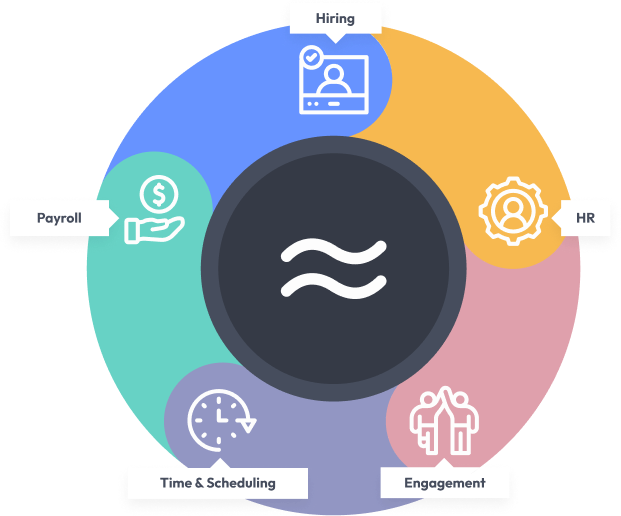

Hiring
Hire better quality workers, faster

HR
Streamline people processes and ensure employee records are always accurate

Engagement
Reduce turnover and increase worker engagement

Time & Scheduling
Manage schedules and hours worked to optimize your labor costs

Payroll
Pay your team quickly, easily, and accurately
resources
Become a hiring and onboarding expert.


Be smart with your hourly workforce
