



How to Hire Order Selectors: Step-by-Step Guide to Find and Retain Top Warehouse Talent
Discover the best strategies to hire order selectors, streamline your recruitment process, and build a reliable team for warehouse success.

How to Hire Order Selectors: A Practical Guide for Warehouse Success
If you run a warehouse, grocery, or distribution center, you know that finding and keeping great order selectors can feel a bit like searching for a needle in a haystack—especially when turnover is high and competition for talent is fierce. So, how do you hire order selectors who’ll stick around, keep errors low, and help your business thrive? Let’s break it down, step by step, with a little real-world wisdom and a few side notes that might just save you a headache down the line.
Understanding the Role: What Makes a Great Order Selector?
Order selectors, sometimes called order pickers, are the backbone of any warehouse operation. They’re responsible for pulling products, packing orders, and ensuring everything gets where it needs to go—on time and intact. It’s a physically demanding job, often requiring speed, accuracy, and a good dose of stamina. If you ask me, it’s not for the faint of heart.
But here’s the thing: not every candidate is cut out for this role. You want folks who are detail-oriented, reliable, and comfortable with technology (think handheld scanners and inventory software). According to industry research, hiring for attitude and training for skill can make all the difference in retention and performance.
Key Qualities to Look For
- Strong attention to detail and accuracy
- Physical fitness and stamina
- Team player mentality
- Comfort with warehouse technology
- Reliability and punctuality
Honestly, sometimes it’s the quiet, steady folks who become your rockstars on the floor. Don’t overlook them!
Building a Winning Recruitment Strategy
Let’s face it—posting a generic job ad and hoping for the best just doesn’t cut it anymore. To hire warehouse staff who are a good fit, you need a strategy that combines targeted outreach, clear communication, and a little creativity.
Crafting Effective Job Descriptions
Your job ad is your first impression. Make it count by highlighting what sets your workplace apart—whether that’s competitive pay, flexible schedules, or opportunities for advancement. For inspiration, check out these job posting examples tailored for hourly roles.
Don’t forget to call out benefits and perks. According to DoorDash’s research, benefits play a huge role in attracting and keeping top talent, even in warehouse settings.
Where to Find Candidates
- Online job boards (Indeed, Monster, etc.)
- Social media platforms—yes, even Facebook groups can be goldmines
- Employee referrals (don’t underestimate word of mouth!)
- Free job posting sites for hourly roles
And if you’re looking to streamline the process, a modern hiring platform like Workstream can help you automate screening and scheduling, saving hours of admin time each week.
Screening and Interviewing Tips
Once the applications roll in, it’s time to separate the wheat from the chaff. Use pre-employment assessments to gauge skills and fit, and ask targeted questions that reveal reliability and work ethic. For example, “Tell me about a time you caught a mistake before it became a problem.”
Need more ideas? Try these motivational interviewing techniques and culture fit interview questions to dig deeper.
Onboarding and Retaining Your Order Fulfillment Staff
Congratulations, you’ve found your new hires! But the work isn’t over. Effective onboarding and retention are where many businesses stumble. Did you know that strong onboarding can boost retention by up to 82%? That’s not pocket change.
Onboarding Best Practices
- Start with a structured onboarding template to cover compliance, safety, and job expectations
- Pair new hires with experienced mentors for the first week
- Use digital tools for paperwork and training modules (saves time and trees!)
- Set clear performance goals and check in regularly
Platforms like Workstream make it easy to digitize onboarding and keep everyone on track, from HR to the warehouse floor.
Reducing Turnover and Boosting Engagement
Turnover in warehouse roles can be brutal—sometimes over 40% a year, according to industry reports. The good news? A few tweaks can make a world of difference:
- Offer flexible scheduling—see how Gap gave employees more control and reaped the rewards
- Recognize and reward hard work (even a shout-out at shift change goes a long way)
- Provide clear paths for advancement—many order selectors want to move up!
- Keep communication open with team-wide tools
And don’t forget, automation and mobile-first scheduling can cut down on no-shows and last-minute callouts, which is a lifesaver during peak season.
Compliance, Safety, and the Cost of Getting It Wrong
Here’s a quick reality check: hiring and managing order fulfillment staff isn’t just about filling slots on the schedule. There are legal and safety requirements you can’t ignore. The Department of Labor requires accurate recordkeeping for all hourly employees, and OSHA standards must be met to keep everyone safe.
Mess up here, and you could be looking at fines, lawsuits, or worse. That’s why platforms like Workstream offer built-in compliance tools—think automated reminders for certifications and digital storage for all those forms you’d rather not lose.
Disclaimer: This article is for informational purposes only. For legal advice, always consult a qualified attorney or HR professional.
The Real Cost of Turnover
Let’s talk dollars and cents for a second. According to industry estimates, losing a single front-line employee can cost nearly $6,000 in lost productivity, recruitment, and training. Multiply that by a dozen, and, well, you can see why getting hiring right the first time is worth the effort.
Modern Tools for Modern Warehouses
If you’re still juggling spreadsheets, paper applications, and sticky notes, it might be time for an upgrade. Solutions like Workstream’s hiring automation can replace up to seven different tools, saving you money and sanity. Plus, with AI-powered screening, you’ll spend less time sorting resumes and more time building a team that delivers results.
And here’s a fun fact: Workstream users have cut time-to-hire and turnover by half, while saving thousands each year on compliance and scheduling headaches. Not bad for a platform built with hourly businesses in mind.
Wrapping Up: Your Next Steps to Hire Order Selectors Who Stick
Hiring order selectors doesn’t have to be a wild goose chase. With a smart strategy, the right tools, and a focus on both people and process, you can build a team that keeps your warehouse humming—season after season. Remember to:
- Write clear, compelling job ads
- Screen for attitude and reliability
- Onboard with intention and structure
- Invest in retention and engagement
- Stay compliant and organized with digital solutions
And if you’re ready to make hiring (and managing) hourly staff a breeze, Workstream is always here to help you get started.
Further Reading and Resources
.svg)


All your important HR tasks under one roof
Today’s business owners and HR teams are overwhelmed with administrative tasks: manual processes and exports, duplicative data entry, and siloed information. Workstream centralizes and simplifies people tasks so you can move fast, reduce labor costs, and simplify operations—all in one place.
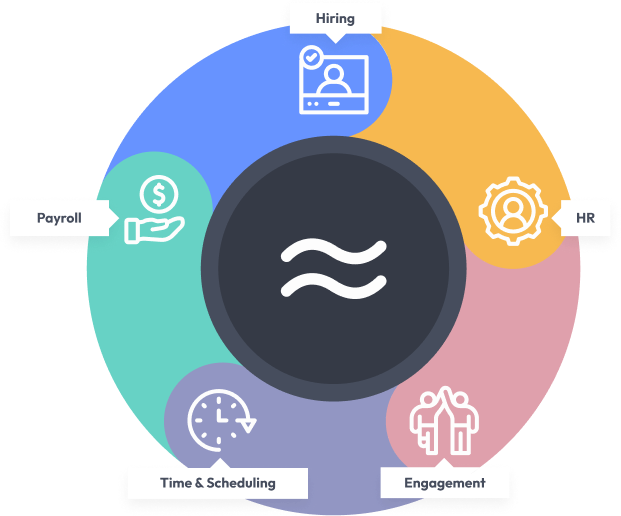

Hiring
Hire better quality workers, faster

HR
Streamline people processes and ensure employee records are always accurate

Engagement
Reduce turnover and increase worker engagement

Time & Scheduling
Manage schedules and hours worked to optimize your labor costs

Payroll
Pay your team quickly, easily, and accurately
resources
Become a hiring and onboarding expert.

Be smart with your hourly workforce
