



How to Hire Servers: Step-by-Step Guide for Restaurant Owners to Hire Top-Performing Staff
Learn the best steps to hire servers for your restaurant, from creating job postings to interviewing candidates and onboarding top talent for excellent customer service.

How to Hire Servers: The Practical Guide for Restaurant Owners
Let’s be real—if you run a restaurant, you know that learning how to hire servers is a bit like perfecting your signature dish. It takes patience, a good eye for talent, and a dash of intuition. But with turnover rates sky-high and competition for great staff fiercer than ever, getting your restaurant server recruitment process right isn’t just a nice-to-have—it’s essential for survival. So, how do you find those reliable, personable folks who can keep customers smiling and tables turning? Let’s break it down, with a few side notes and stories along the way.
Why Hiring Servers Is So Darn Tough (and Why It Matters)
Honestly, hiring servers isn’t just about plugging bodies into open shifts. It’s about building the heart of your guest experience. According to Michelin Guide’s look at turnover, the average restaurant loses more than half its staff every year. That’s a lot of resumes, interviews, and training hours down the drain. And if you ask me, the cost isn’t just financial—it’s emotional, too. Every time a great server walks out, your regulars notice.
But here’s the thing: losing a front-line employee costs a restaurateur $5,864 on average. And that’s not even counting the headaches from scrambling to cover shifts or the risk of burning out your loyal team. If you’re feeling the heat, you’re not alone.
What Makes a Great Server?
Let’s pause for a second. What are you actually looking for? Sure, experience helps, but attitude, work ethic, and the ability to juggle a dozen things at once—those are gold. Some chains swear by hiring for attitude and training for skill, and honestly, that’s a recipe worth stealing.
Step-by-Step: How to Hire Restaurant Staff That Stick Around
1. Write a Job Description That Attracts the Right People
Your job post is your first impression—make it count. Highlight what makes your place special, from flexible schedules to team culture. And don’t forget to call out benefits in your job descriptions; it’s a proven way to stand out in a crowded market. Need inspiration? Check out these job posting examples that actually work.
2. Use the Right Tools to Find Server Employees
Gone are the days when a “Help Wanted” sign in the window was enough. Today, you need to meet candidates where they are—often on their phones. Platforms like Workstream’s hiring automation help you reach more applicants and move them through the process faster. You can also use Instagram to hire hourly workers or tap into Indeed for employers for broader reach.
- Digital recruiting strategies can expand your candidate pool.
- Consider proactive candidate sourcing for hard-to-fill shifts.
- Don’t overlook Craigslist job posting tips—sometimes the old ways still deliver.
3. Screen and Interview Like a Pro
Screening isn’t just about checking boxes. It’s about finding people who fit your vibe. Use motivational interviewing techniques to dig deeper, and don’t forget to ask cultural fit interview questions. If you want to get scientific, pre-employment assessments can help you spot top performers before they even set foot in your dining room.
4. Move Fast—But Don’t Rush
Speed matters. The best candidates get snapped up quickly, so streamline your process with automated hiring tools. Did you know you can reduce your time-to-hire by half with the right tech? That’s not just a stat—it’s a game-changer for busy managers.
Retention: Keeping Your Servers Happy (and On Your Team)
Why Do Servers Leave?
It’s not always about the money. According to Harver’s research on turnover in hospitality, lack of career growth, poor management, and unpredictable schedules are big culprits. And let’s be honest, nobody likes feeling like just another cog in the machine.
What Keeps Them Around?
- Benefits and perks—even small ones—can make a huge difference.
- Clear communication: Keeping your team in the loop reduces no-shows and boosts morale.
- Recognition: Employee recognition software isn’t just for big companies; a simple thank you goes a long way.
- Fair scheduling: Giving employees more control over their schedules can lower turnover rates.
And here’s a fun fact: Surveys show that happy restaurant employees stick around longer. Sometimes, it really is that simple.
Onboarding: Start Off on the Right Foot
The first few days set the tone for a new server’s entire tenure. Use onboarding templates to make sure nothing falls through the cracks. And if you’re wondering how the pros do it, here’s some onboarding advice from Forbes.
Compliance and Recordkeeping: Don’t Get Burned
Now, I know compliance isn’t the most exciting topic, but it’s non-negotiable. The U.S. Department of Labor requires you to keep accurate records of hours, wages, and other key data. Mess this up, and you could be staring down a $25K lawsuit. Workstream’s integrated platform can help you stay on top of paperwork without drowning in it.
Disclaimer: This article is for informational purposes only and does not constitute legal advice. Always consult a qualified professional for your specific situation.
Payroll and Scheduling: Stop Overpaying and Understaffing
Ever feel like you’re always either short-staffed or overpaying on labor? You’re not alone. Smart scheduling tools—like 24-hour schedule templates—can help you get it just right. And with instant pay access options, you can keep your team happy and reduce turnover even further.
Common Pitfalls (and How to Dodge Them)
- Hiring too fast: Desperation hires rarely work out. Take a breath and trust your process.
- Ignoring culture fit: A great resume doesn’t always mean a great teammate. Use cultural fit questions to dig deeper.
- Neglecting training: Even seasoned servers need a refresher. Effective training sessions pay off in fewer mistakes and better guest experiences.
- Skipping feedback: Regular check-ins keep small problems from turning into big ones. Try these tips for bringing out the best in your people.
Wrapping Up: Hire Food Servers the Smart Way
At the end of the day, learning how to hire servers is about more than just filling shifts. It’s about building a team that reflects your restaurant’s values, keeps guests coming back, and makes your life a little less stressful. With the right mix of technology, empathy, and a dash of old-fashioned hospitality, you can reduce turnover by half and create a workplace people actually want to stick around in.
If you’re looking for a partner to help you automate hiring, streamline onboarding, and keep your team engaged, Workstream is purpose-built for restaurants like yours. Because let’s be honest—your time is better spent building relationships with your team and your guests, not buried in paperwork.
Want More?
- Explore restaurant hiring strategies for every size and budget.
- Get inspired by traits of committed employees and how to spot them.
- Learn how Dunkin' franchisees improved hiring with Workstream.
- Discover onboarding templates that set new hires up for success.
- Find out how schedule control reduces turnover for hourly staff.
.svg)


All your important HR tasks under one roof
Today’s business owners and HR teams are overwhelmed with administrative tasks: manual processes and exports, duplicative data entry, and siloed information. Workstream centralizes and simplifies people tasks so you can move fast, reduce labor costs, and simplify operations—all in one place.
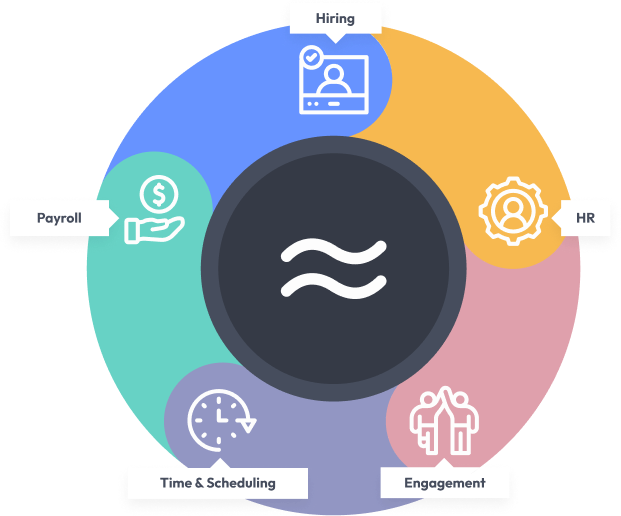

Hiring
Hire better quality workers, faster

HR
Streamline people processes and ensure employee records are always accurate

Engagement
Reduce turnover and increase worker engagement

Time & Scheduling
Manage schedules and hours worked to optimize your labor costs

Payroll
Pay your team quickly, easily, and accurately
resources
Become a hiring and onboarding expert.


Be smart with your hourly workforce
