



How to Hire Warehouse Clerks: Step-by-Step Guide for Small Business Success
Discover the best strategies to hire warehouse clerks efficiently, streamline your hiring process, and find top talent for your small business.

How to Hire Warehouse Clerks: A Practical Guide for Small Businesses
If you’re a business owner who needs to hire warehouse clerks, you already know it’s not just about filling a spot on the roster. The right clerks keep your inventory humming, your orders accurate, and your headaches to a minimum. But honestly, finding and keeping great warehouse staff can feel a bit like searching for a needle in a haystack—especially with turnover rates what they are these days. So, what’s the secret sauce for recruiting and retaining reliable warehouse talent? Let’s break it down, with a few helpful detours along the way.
Why Hiring Warehouse Clerks Is Tougher Than It Looks
Turnover, Burnout, and the Hidden Costs
Ever wonder why it feels like you’re always recruiting? You’re not alone. According to industry research, high turnover is a chronic issue in hourly jobs, including warehouse roles. The cost of replacing a single employee can run into thousands of dollars—some estimates put it at over $5,800 per front-line worker. That’s not even counting the lost productivity, training time, and the toll on team morale. It’s enough to make any manager sigh.
But why do warehouse clerks leave? Burnout, lack of engagement, and feeling undervalued are big culprits. Research on hourly workers shows that more than half plan to leave within a year if they don’t feel connected or see a path forward. It’s not just about money—though fair wages matter (we’ll get to that). It’s about respect, communication, and opportunity.
Compliance and Recordkeeping: The Not-So-Glamorous Side
Let’s not forget the paperwork. The Department of Labor requires you to keep detailed records for every nonexempt employee. Miss a step, and you could be looking at fines or lawsuits—never fun. That’s why many businesses are turning to digital HR tools that automate documentation and scheduling, saving time and reducing risk. (If you ask me, anything that keeps you out of legal hot water is worth a look.)
Building Your Warehouse Dream Team
Job Descriptions That Attract the Right Candidates
First impressions count—even in a job post. A clear, honest, and engaging job description helps you attract the right people from the start. Need inspiration? Check out these job posting examples and creative tips to make your listing stand out. Be upfront about pay, hours, and expectations. And don’t forget to highlight benefits and growth opportunities—benefits matter more than you might think, even for hourly roles.
Where to Find the Best Warehouse Clerks
- Post on popular job boards—free sites can deliver surprising results.
- Leverage social media—Instagram and Facebook groups are goldmines for local talent.
- Tap into referrals—employees often know someone who’d be a great fit.
- Don’t overlook specialized platforms—sometimes the best clerks are looking in niche places.
And here’s a twist: consider using mobile-first HR platforms that let candidates apply by text. It’s fast, easy, and appeals to the modern workforce. Workstream’s hiring automation suite, for example, can cut your time-to-hire in half and reduce turnover by 50%. Not too shabby, right?
Screening and Interviewing: Efficiency Meets Empathy
Screening doesn’t have to be a slog. Automated tools can help you filter applicants quickly, but don’t forget the human touch. Ask about reliability, attention to detail, and adaptability—key traits for warehouse clerks. For interview tips, see motivational interviewing and cultural fit questions that uncover more than just technical skills.
And if you’re short on time (who isn’t?), consider pre-employment assessments to gauge skills before you even pick up the phone. It’s like having a crystal ball for hiring—almost.
Onboarding, Scheduling, and Retaining Your Warehouse Staff
Onboarding: The First 90 Days Matter Most
Don’t just toss new clerks the keys and hope for the best. A smooth, structured onboarding process sets the tone for long-term success. Digital onboarding—like these templates—can cut onboarding time from hours to minutes and help ensure compliance. Plus, automated reminders mean no one forgets to sign that all-important form.
Scheduling and Flexibility: The Secret Weapon
Ever had a no-show throw off your whole day? Smart scheduling tools, like 24-hour templates, can help you avoid overstaffing, understaffing, and burnout. And giving employees some control over their shifts—think shift swaps or mobile schedule access—can boost engagement. Gap’s approach is a great example of how tech can empower hourly workers.
Retention: Keeping Your Best Clerks Happy
Retention isn’t rocket science, but it does take effort. Here’s what works:
- Offer competitive pay—see how you stack up with this wage comparison guide.
- Provide benefits—even part-timers value perks, as shown in Starbucks’ benefits approach.
- Recognize achievements—sometimes a simple “thank you” goes a long way. For ideas, check out work anniversary celebrations.
- Support career growth—offer training or clear paths to promotion. It’s not just for corporate folks.
- Keep communication open—regular check-ins and feedback matter. According to employee happiness surveys, feeling heard is huge.
Common Pitfalls and How to Dodge Them
Rushing the Process
We’ve all been there—someone quits, and you need a replacement yesterday. But rushing leads to bad hires, which just starts the cycle over. Take a breath, use structured interview techniques, and trust the process.
Neglecting Compliance
Don’t let paperwork pile up or miss required records. Digital solutions can automate much of this, keeping you in the clear and saving you from those dreaded fines. For more on compliance, see official guidelines.
Ignoring Employee Feedback
Sometimes, the answers are right in front of you. Regularly ask your warehouse clerks what’s working—and what’s not. You might be surprised by what you hear. For more on engagement, see this research on hourly worker retention.
Conclusion: Hiring Warehouse Clerks Doesn’t Have to Be a Chore
At the end of the day, building a strong warehouse team is about more than just filling shifts. It’s about creating a workplace where people want to stay, grow, and do their best work. With the right strategies—and a little help from modern technology—you can make warehouse clerk recruitment a whole lot less stressful.
Workstream’s all-in-one HR and payroll platform is built for businesses like yours, helping you automate hiring, onboarding, scheduling, and more. If you’re ready to cut turnover, save time, and build a happier, more reliable warehouse team, reach out to Workstream today.
Further Reading and Resources
.svg)


All your important HR tasks under one roof
Today’s business owners and HR teams are overwhelmed with administrative tasks: manual processes and exports, duplicative data entry, and siloed information. Workstream centralizes and simplifies people tasks so you can move fast, reduce labor costs, and simplify operations—all in one place.
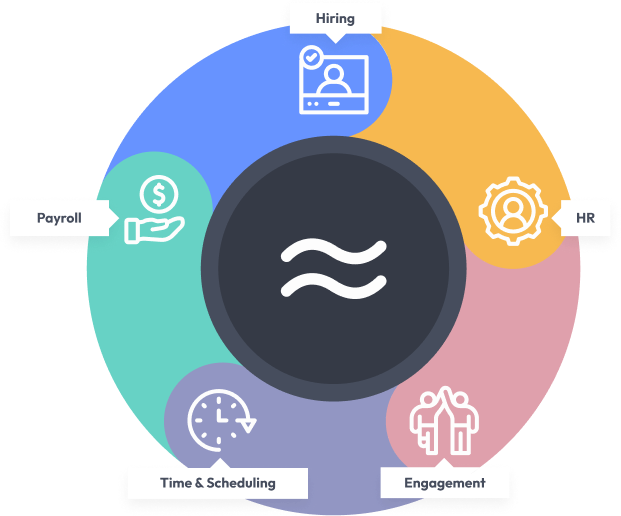

Hiring
Hire better quality workers, faster

HR
Streamline people processes and ensure employee records are always accurate

Engagement
Reduce turnover and increase worker engagement

Time & Scheduling
Manage schedules and hours worked to optimize your labor costs

Payroll
Pay your team quickly, easily, and accurately
resources
Become a hiring and onboarding expert.



Be smart with your hourly workforce
