



How to Hire Food Preparation Workers: Proven Steps to Find and Keep Top Kitchen Staff
Learn how to hire food preparation workers efficiently with our step-by-step guide—find, screen, and onboard the best staff for your restaurant’s kitchen success.

How to Hire Food Preparation Workers: A Practical Guide for Busy Owners
If you’ve ever felt like finding reliable food prep staff is a bit like searching for a needle in a haystack—well, you’re not alone. The restaurant industry is notorious for its high turnover and unpredictable labor market, but with the right approach, you can hire food preparation workers who stick around, show up, and help your kitchen run like a well-oiled machine. Let’s walk through what works, what doesn’t, and how technology like Workstream’s hiring automation can make your life a whole lot easier.
Understanding the Food Prep Hiring Landscape
The Realities of Kitchen Staff Recruitment
Before you can hire food preparation workers who are a good fit, it’s helpful to know why turnover is so high in this space. According to Michelin Guide’s analysis on employee turnover, many restaurants lose staff faster than they can train them. The reasons? Long hours, physically demanding work, and sometimes, a lack of clear job expectations.
And let’s be honest—nobody wants to spend their days chasing down no-shows or scrambling to fill last-minute gaps in the schedule. That’s why it’s so important to have a streamlined process from the get-go. If you’re struggling with turnover, check out Harver’s breakdown of hospitality turnover causes for some eye-opening stats and actionable tips.
What Makes a Great Food Prep Worker?
- Reliability—showing up, every shift, rain or shine
- Attention to detail—because nobody wants a salad with a side of eggshells
- Teamwork—kitchens are like sports teams, and every player matters
- Speed and efficiency—especially during the lunch rush
For more on what keeps kitchen staff happy (and sticking around), the 7shifts survey on restaurant employee satisfaction is worth a look.
Step-by-Step: How to Hire Food Preparation Workers Who Stay
Write a Clear, Honest Job Description
It’s tempting to sugarcoat the job, but honesty wins out. Spell out the duties, pay range, and expectations up front. Sling’s tips for writing a restaurant employee handbook can help you clarify roles and set expectations from day one. And if you need inspiration, check out these job posting examples tailored for hourly workers.
Source Candidates Where They Actually Are
These days, many food prep staff are scrolling through their phones between shifts. Posting jobs on platforms like Indeed or even Instagram can get your listing in front of the right eyes. Don’t forget to tap into local networks and employee referrals, too. SHRM’s toolkit on referral programs offers practical advice on making this work for your business.
And if you want to cast a wider net, Monster’s digital recruiting strategies share how to grow your reach and attract more candidates.
Screen for Attitude and Train for Skill
Skills can be taught, but a positive attitude is gold. Harvard Business Review’s case study on fast food turnover makes a compelling case for hiring based on attitude and then investing in training. For some, this might sound counterintuitive, but it’s often the difference between a revolving door and a loyal team.
Need a hand with screening? Workstream’s hiring automation tools can help you filter applicants quickly, so you spend less time on paperwork and more time running your business.
Streamline Onboarding and Training
Once you’ve hired your kitchen helpers, a smooth onboarding process is key. Forbes’ onboarding guide highlights how a strong start leads to better retention. And if you’re looking for templates, Workstream’s onboarding templates can take a load off your plate.
Don’t forget to provide hands-on training and clear feedback. BLR’s training techniques can help you engage new hires and reduce rookie mistakes.
Compliance, Scheduling, and Keeping Your Sanity
Stay Legal and Organized
Recordkeeping isn’t glamorous, but it’s non-negotiable. The U.S. Department of Labor’s recordkeeping guide spells out what you need to track for each worker—think hours, wages, and job details. If you’re juggling paper files, it might be time to look at digital solutions. Workstream’s centralized HR platform keeps everything in one place, making compliance a breeze.
Master Scheduling and Reduce No-Shows
Scheduling is where many owners lose sleep (and money). Tools that offer 24-hour schedule templates or even automated shift reminders can cut down on confusion and last-minute callouts. The story of Gap’s scheduling app shows how giving staff more control can boost engagement and reduce turnover.
And if you’re wondering just how much turnover is costing you, take a look at Notch’s breakdown of turnover costs—it’s enough to make anyone rethink their approach to hiring and scheduling.
Offer Benefits and Foster Engagement
Benefits aren’t just for corporate jobs. DoorDash’s report on restaurant benefits shows that offering perks—even small ones—can help you hire kitchen helpers and keep them around. For more on engaging your team, these tips for employee engagement are surprisingly relevant for any hourly workforce.
Common Pitfalls and How to Avoid Them
Don’t Rely on Gut Instinct Alone
We all have hunches, but structured interviews and clear criteria work better. Try using cultural fit interview questions or the STAR method to keep things fair and focused.
Don’t Ignore Employee Feedback
Sometimes, your best source of insight is your own team. Regular check-ins and open communication can uncover issues before they become crises. For inspiration, see how Walmart transformed its hourly workforce by listening to employees and adapting quickly.
Don’t Underestimate the Power of Technology
Manual processes are a recipe for burnout. Platforms like Workstream can automate repetitive tasks, help you stay compliant, and give you more time to focus on what matters—your customers and your team.
Conclusion: Building a Strong Kitchen Team for the Long Haul
Hiring food prep workers isn’t just about filling shifts—it’s about building a team that keeps your business humming. By writing clear job descriptions, sourcing candidates where they are, screening for attitude, and using the right tech, you’ll be well on your way to a happier, more reliable kitchen crew. Honestly, who doesn’t want a little less chaos and a lot more consistency?
If you’re ready to take your hiring to the next level, Workstream’s hiring automation is built for busy owners just like you. And if you’re hungry for more tips, check out these resources:
.svg)


All your important HR tasks under one roof
Today’s business owners and HR teams are overwhelmed with administrative tasks: manual processes and exports, duplicative data entry, and siloed information. Workstream centralizes and simplifies people tasks so you can move fast, reduce labor costs, and simplify operations—all in one place.
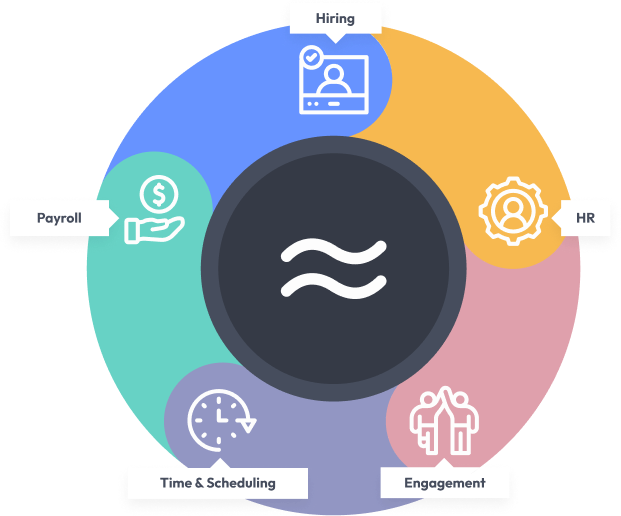

Hiring
Hire better quality workers, faster

HR
Streamline people processes and ensure employee records are always accurate

Engagement
Reduce turnover and increase worker engagement

Time & Scheduling
Manage schedules and hours worked to optimize your labor costs

Payroll
Pay your team quickly, easily, and accurately
resources
Become a hiring and onboarding expert.


Be smart with your hourly workforce
