



Hire Embroidery Machine Operators: Essential Steps for Finding and Keeping Top Talent
Discover proven steps to hire embroidery machine operators efficiently, from creating job descriptions to onboarding top talent for your restaurant’s uniform needs.

How to Hire Embroidery Machine Operators: A Practical Guide for Small Businesses
Let’s be honest—finding and keeping skilled embroidery machine operators can feel a bit like searching for a needle in a haystack. If you’re running a busy shop or franchise, you know how vital these folks are to your business. Whether you’re scaling up production for a new line or just trying to keep up with custom orders, the right team can make or break your bottom line. So, how do you hire embroidery machine operators who are reliable, efficient, and ready to grow with your brand?
Understanding the Role: What Makes a Great Embroidery Machine Operator?
Before you start posting jobs, it helps to know exactly what you’re looking for. Embroidery machine operators aren’t just button-pushers—they’re the backbone of your operation. They need a keen eye for detail, mechanical aptitude, and a knack for troubleshooting. Some shops even look for embroidery machine technicians who can handle both production and maintenance.
Honestly, if you ask me, the best operators are part artist, part engineer. They keep the machines humming and your customers happy. For a deeper dive into what makes a standout operator, check out these traits of committed employees.
Key Skills to Look For
- Experience with commercial embroidery machines (Tajima, Barudan, Brother, etc.)
- Ability to read and interpret design files
- Basic machine maintenance and troubleshooting
- Attention to detail and quality control
- Teamwork and communication skills
And don’t forget, attitude matters. According to this Harvard Business Review article, hiring for attitude and training for skill can dramatically reduce turnover.
Recruitment Strategies: Where and How to Find the Best Embroidery Staff
Recruiting embroidery staff isn’t just about posting on job boards and hoping for the best. The market for skilled operators is tight, and competition can be fierce. So, what’s the secret sauce?
Crafting the Perfect Job Posting
Your job ad should be clear, specific, and highlight what sets your business apart. List the machines you use, the types of projects, and any perks or benefits. Need inspiration? Here are some great job posting examples and creative tips to make your job posting stand out.
Don’t overlook the power of social media. Platforms like Instagram can be surprisingly effective for reaching creative talent. Here’s how to use Instagram for hiring hourly workers.
Screening and Interviewing Candidates
Once you have applicants, it’s time to separate the pros from the pretenders. Use practical assessments—ask candidates to run a sample job or identify a machine issue. For more on effective interviews, check out these motivational interviewing techniques and cultural fit interview questions.
And if you’re pressed for time (who isn’t?), consider automating your screening process. Workstream’s hiring automation can help you save hours each week and cut your time-to-hire in half.
Where to Post Your Jobs
- Industry-specific job boards and forums
- Local trade schools and community colleges
- Social media and creative communities
- Referrals from current employees—don’t underestimate word-of-mouth!
For a broader perspective on sourcing candidates, see this guide to finding qualified job candidates and digital recruiting strategies.
Onboarding and Retaining Your Embroidery Team
You’ve found your new embroidery machine operator—now what? Onboarding is where you set the tone for success. A smooth, digital onboarding process not only saves time but also helps new hires feel welcome and prepared from day one. For practical templates, check out these onboarding templates.
Training and Development
Investing in ongoing training pays off. Whether it’s cross-training on new machines or sending staff to workshops, continuous learning keeps your team sharp. For tips on effective training, see this guide to effective training techniques.
Reducing Turnover: Why Retention Matters
High turnover in skilled roles like embroidery machine operators can cost you big time—lost productivity, retraining, and even missed orders. According to this look at employee turnover in hospitality, retention is key to maintaining quality and consistency. The same goes for your shop.
Offering benefits and a positive work environment can make all the difference. This DoorDash report shows how benefits help attract and retain top talent. Even small perks—like flexible schedules or instant pay access—can boost morale. Learn more about instant pay options for hourly workers.
And don’t forget, a strong company culture is a magnet for committed employees. For more on building engagement, see ways to improve hourly employee engagement and this HBR article on engaging young hourly workers.
Compliance, Payroll, and Scheduling: Don’t Let the Details Trip You Up
Let’s not sugarcoat it—keeping up with compliance, payroll, and scheduling can be a headache. But it’s non-negotiable. Accurate recordkeeping is required by law (see the U.S. Department of Labor’s guidelines), and mistakes can be costly.
Modern HR platforms like Workstream can help you handle everything from digital onboarding to payroll, scheduling, and compliance—so you can focus on growing your business instead of drowning in paperwork. For a closer look at payroll costs in the restaurant industry (which often overlaps with embroidery shops in terms of hourly staffing), see this guideline for payroll costs.
Scheduling is another area where technology can save you serious time. For practical tips, check out this 24-hour schedule template and learn how giving employees more control over their schedules can reduce no-shows and boost satisfaction.
Common Pitfalls to Avoid
- Underestimating the time and cost of hiring and training
- Neglecting compliance and recordkeeping requirements
- Failing to communicate clearly with your team
- Ignoring employee feedback and engagement
And here’s the thing: automation doesn’t just make life easier—it can save you thousands each year. Workstream users have reported cutting labor costs and reducing turnover by half. Not too shabby, right?
Conclusion: Building a Winning Embroidery Team for the Long Haul
Hiring the right embroidery machine operators is part science, part art, and a whole lot of persistence. But with the right strategies—clear job postings, smart screening, strong onboarding, and tech-driven management—you’ll set your business up for success. Remember, your operators aren’t just running machines; they’re helping stitch your brand’s reputation with every order.
Ready to make hiring (and managing) easier? Learn more about Workstream’s hiring automation or explore Workstream’s full HR suite built for hourly businesses. For more tips and industry insights, check out these guides:
.svg)


All your important HR tasks under one roof
Today’s business owners and HR teams are overwhelmed with administrative tasks: manual processes and exports, duplicative data entry, and siloed information. Workstream centralizes and simplifies people tasks so you can move fast, reduce labor costs, and simplify operations—all in one place.
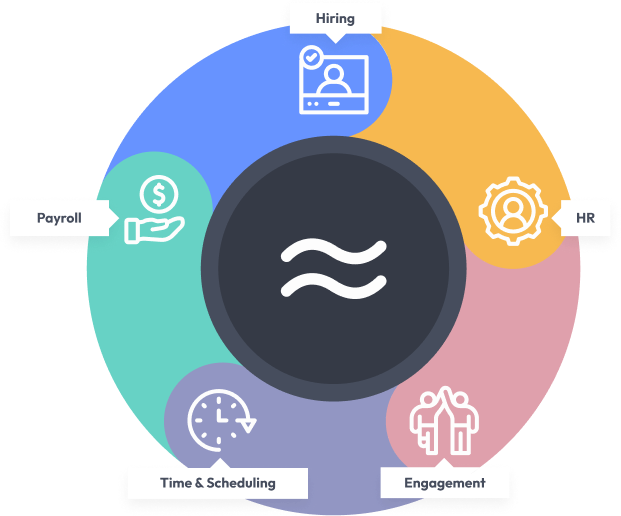

Hiring
Hire better quality workers, faster

HR
Streamline people processes and ensure employee records are always accurate

Engagement
Reduce turnover and increase worker engagement

Time & Scheduling
Manage schedules and hours worked to optimize your labor costs

Payroll
Pay your team quickly, easily, and accurately
resources
Become a hiring and onboarding expert.


Be smart with your hourly workforce
