



How to Hire Journeyman Plumbers: Modern Tips for Plumbing Company Success
Discover effective strategies to hire journeyman plumbers, streamline your recruitment process, and find skilled candidates for your plumbing company.

How to Hire Journeyman Plumbers: A Modern Guide for Plumbing Company Staffing
If you’ve ever tried to hire journeyman plumbers for your business, you know it’s a bit like searching for a needle in a haystack—except the haystack is made of resumes, and the needle might be out fixing a leak. The demand for skilled tradespeople is sky-high, and plumbing companies are feeling the pressure. But don’t worry, there are practical steps and smart tech tools that can make your next hire a whole lot easier. Let’s break it down and talk shop.
Why Hiring Journeyman Plumbers Feels Like Chasing Water Down a Drain
First, let’s be honest: plumbing company staffing is tough these days. The skilled labor shortage isn’t just a headline—it’s a reality. According to the American Staffing Association, the workforce for skilled trades has been shrinking, while demand keeps rising. If you’re a small business owner, you’ve probably seen the impact first-hand: jobs take longer to fill, and turnover can cost you thousands.
Why is it so hard to find skilled plumbers? Well, the reasons range from an aging workforce to not enough young folks entering the trades. Plus, let’s not forget the competition—everyone’s fishing from the same pond. And when you do find a great candidate, you want to keep them happy, engaged, and on your team.
Understanding What Makes a Journeyman Plumber Stand Out
- State licensing and certifications—don’t skip the background check!
- Hands-on experience: Journeyman plumbers typically have 4+ years of apprenticeship under their belt.
- Strong problem-solving skills and a knack for customer service.
- Ability to work independently and as part of a team—sometimes in tight, messy spaces.
If you ask me, it’s not just about technical know-how. The best plumbers are reliable, communicate well, and genuinely care about their craft. It’s a blend of skill and attitude, and that’s not always easy to spot on a resume.
Where to Find Skilled Plumbers (And How to Attract Them)
Okay, so where do you actually recruit journeyman plumbers? Old-school word of mouth still works, but digital platforms are quickly becoming the go-to. Sites like Workstream let you post jobs and connect with qualified candidates faster than ever. And if you’re not using social media—yes, even Facebook—you’re missing out on a big pool of local talent.
But attracting the right folks takes more than a job post. According to DoorDash’s research on recruitment and retention, offering competitive benefits and flexible schedules is key. Hourly workers, plumbers included, are looking for more than just a paycheck. They want respect, growth opportunities, and a sense of belonging.
Tips for Standing Out to Journeyman Plumbers
- Highlight your company culture and career growth paths. People want to know there’s a future with you.
- Offer perks—think health benefits, paid time off, and even instant pay access.
- Streamline your application process. Nobody wants to fill out a 10-page form just to get a callback.
- Showcase real stories from your team. Authentic testimonials can tip the scales for a candidate on the fence.
Honestly, a little transparency goes a long way. If you’re upfront about pay, expectations, and the realities of the job, you’ll attract folks who are a good fit—and save yourself headaches down the line.
Streamlining the Hiring Process: From Application to Onboarding
Let’s face it—if your hiring process is slow, you’ll lose top candidates to the competition. The average time-to-hire in the trades can stretch for weeks, but platforms like Workstream’s hiring automation can cut that time in half. That’s not just a bold claim; it’s backed by real numbers from businesses like yours.
Automated screening, text-based communication, and digital onboarding aren’t just buzzwords—they’re lifesavers for busy managers. Imagine scheduling interviews in a few clicks or sending onboarding paperwork straight to a plumber’s phone. Less paperwork, fewer no-shows, and more time spent building your business.
Compliance and Legal Details (Don’t Skip This!)
- Make sure you’re following all recordkeeping requirements set by the Department of Labor.
- Check state licensing and insurance requirements—these can vary widely.
- Keep digital copies of certifications and background checks for easy access.
Disclaimer: This isn’t legal advice. Always consult with a qualified HR or legal professional to ensure compliance in your state.
Retaining Your New Hires: The Secret Sauce
So, you’ve managed to hire journeyman plumbers. Now what? Retention is where the real savings happen. According to Modern Restaurant Management, turnover costs can eat up your profits faster than a burst pipe. The good news? Simple strategies can make a big difference.
Invest in onboarding. A warm welcome and clear expectations set the tone. Use digital tools to track progress and provide feedback. Platforms like Workstream’s onboarding templates can help you get new hires up to speed quickly.
Offer ongoing training and upskilling. Not only does this keep your team sharp, but it also shows you’re invested in their future. And don’t underestimate the power of regular check-ins—sometimes a five-minute chat can reveal issues before they become problems.
Common Pitfalls (And How to Avoid Them)
- Dragging out the hiring process—speed matters!
- Not checking credentials or references thoroughly.
- Ignoring culture fit. A skilled plumber who clashes with your team can do more harm than good.
- Failing to communicate clearly about pay, expectations, and schedules.
Wrapping Up: Building a Strong Plumbing Team for the Long Haul
Hiring journeyman plumbers might feel like a never-ending job, but with the right approach, you can build a team that sticks around and helps your business thrive. Embrace technology, focus on people, and don’t be afraid to try new strategies. After all, the plumbing business is about solving problems—and that starts with having the right folks on your crew.
If you’re ready to make your next hire, consider exploring Workstream’s hiring platform for journeyman plumbers. It’s built for hourly businesses and takes the guesswork out of recruiting, onboarding, and managing your team. Who knows? Your next great plumber might be just a click away.
Further Reading and Resources
- What’s Causing Turnover in Hospitality?
- How High Employee Turnover is Affecting the Restaurant Industry
- What Makes Restaurant Employees Happy
- How One Fast-Food Chain Keeps Its Turnover Rates Absurdly Low
- Employee Turnover and Your Restaurant's Bottom Line
- How to Fix High Restaurant Employee Turnover
- The Real Cost of Restaurant Employee Turnover
- A Guideline for Payroll Costs
- Tips for Calling Out Benefits in Your Job Descriptions
- Traits of Committed Employees
Related Workstream Resources
.svg)


All your important HR tasks under one roof
Today’s business owners and HR teams are overwhelmed with administrative tasks: manual processes and exports, duplicative data entry, and siloed information. Workstream centralizes and simplifies people tasks so you can move fast, reduce labor costs, and simplify operations—all in one place.
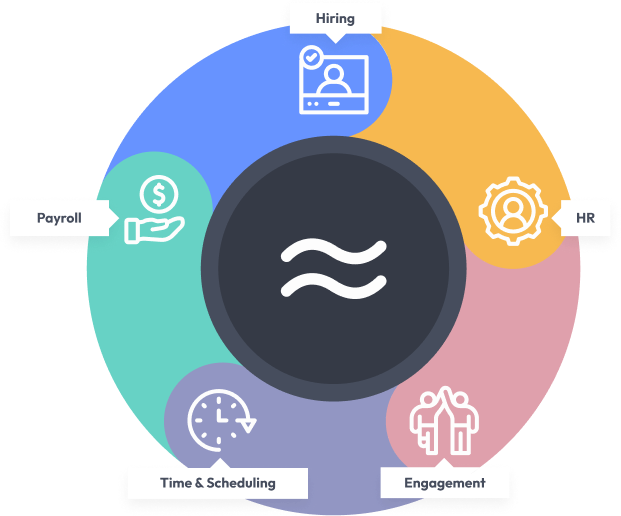

Hiring
Hire better quality workers, faster

HR
Streamline people processes and ensure employee records are always accurate

Engagement
Reduce turnover and increase worker engagement

Time & Scheduling
Manage schedules and hours worked to optimize your labor costs

Payroll
Pay your team quickly, easily, and accurately
resources
Become a hiring and onboarding expert.



Be smart with your hourly workforce
