



How to Hire Nutrition Assistants: Practical Steps for Restaurants and Food Services
Discover proven steps to hire nutrition assistants efficiently for your restaurant. Learn best practices, interview tips, and essential qualifications to find the right candidate for your team.

How to Hire Nutrition Assistants: A Practical Guide for Small Businesses
Ever tried to hire nutrition assistants and felt like you were searching for a unicorn? You’re not alone. Whether you run a bustling senior care facility, a hospital kitchen, or a high-volume restaurant, finding and keeping great nutrition support staff is a real challenge. But don’t worry—there are ways to make this process less overwhelming and, dare I say, even enjoyable. Let’s walk through what works, what doesn’t, and how you can build a team that keeps your business running smoothly and your clients healthy.
Understanding the Role: What Makes a Great Nutrition Assistant?
Before you start posting job ads, it helps to get clear on what you actually need. Nutrition assistants, dietary aides, and support staff are the backbone of any food service operation in healthcare or hospitality. They prep meals, manage special diets, and often serve as the friendly face your clients see every day. But what separates a good nutrition aide from a great one?
- Attention to detail—especially with dietary restrictions and allergies
- Strong communication skills for working with dietitians, nurses, and residents
- Ability to work on their feet and lift moderate loads
- Empathy and patience—because working with people is never just about food
For more on crafting effective job descriptions and handbooks, check out this resource from Sling. It’s packed with tips on making expectations clear from day one.
Why Turnover Is So High—and How to Beat It
High turnover in nutrition support roles is a thorn in everyone’s side. According to Michelin Guide, the restaurant and food service industry faces some of the highest turnover rates in the country. And it’s not just about pay—burnout, lack of training, and poor scheduling all play a role. Harver’s research digs deeper into the root causes and offers practical solutions for keeping your best people around.
Nutrition Assistant Recruitment: Where to Find the Right Candidates
Let’s be honest—posting on the same old job boards isn’t enough anymore. If you want to hire nutrition assistants who stick around, you’ll need to get creative and strategic with your candidate sourcing.
- Community colleges and vocational programs: Many offer nutrition, culinary, or health aide certifications. Build relationships with instructors—they know who’s got potential.
- Referrals: Your current staff might know someone looking for work. Employee referral programs can be a goldmine if you set them up right.
- Social media: Platforms like Facebook and Instagram are where a lot of hourly workers hang out. For tips on using Instagram for recruitment, see this guide from Workstream.
- Specialized platforms: Consider using Workstream’s hiring automation tools to reach more candidates and streamline your process.
Need more inspiration? Creative recruitment ads can help your job post stand out in a sea of sameness.
Screening and Interviewing: Finding the Right Fit
Once you’ve got applicants, the real work begins. Screening for skills is important, but don’t overlook cultural fit. Great interview questions can reveal whether someone will mesh with your team and your clients.
And if you’re short on time (who isn’t?), automated screening tools like those in Workstream’s hiring suite can help you cut through the noise and focus on the best candidates. According to Workstream, using automation can save up to three hours per week per location just on screening. That’s a lot of coffee breaks reclaimed.
Onboarding and Retention: Setting Up for Success
So you’ve managed to hire dietary aides or nutrition assistants—now what? Onboarding is where you set the tone for everything that follows. A clunky, paper-heavy process can scare off new hires before they’ve even started. Instead, look for digital onboarding solutions that are mobile-friendly and easy to use. Workstream’s onboarding templates are a good place to start if you want to keep things smooth and compliant.
Retention is the name of the game. According to Harvard Business Review, engagement is the single biggest factor in keeping hourly workers around. That means regular feedback, clear communication, and opportunities to grow. Offering benefits—even small ones—can make a huge difference in recruitment and retention, as DoorDash’s research points out.
Scheduling and Flexibility: The Secret Sauce
If you ask me, nothing frustrates nutrition support staff more than unpredictable schedules. Work-schedule instability is a leading cause of turnover. That’s why it’s worth investing in scheduling tools that give employees more control and transparency. Flexible scheduling isn’t just a perk—it’s a retention strategy.
Compliance, Documentation, and Payroll: Don’t Let the Details Trip You Up
Let’s talk compliance—because nobody wants a surprise visit from the Department of Labor. Accurate recordkeeping is non-negotiable. For the basics on wage and hour requirements, see the U.S. Department of Labor’s guidelines.
Automated HR platforms like Workstream can help you keep all your ducks in a row, from digital document storage to integrated payroll. Not only does this save time, but it can also save you up to $25,000 a year in potential lawsuits and fees, according to Workstream’s data. That’s money you can put back into your business—or maybe into a well-deserved vacation.
Paying Competitively: What’s the Going Rate?
Wages for nutrition assistants and dietary aides vary by region, but offering competitive pay is crucial. For a snapshot of what leading companies are paying, check out this wage comparison guide. And for more on structuring pay and benefits, see how Starbucks does it—their approach to part-time benefits is worth a look.
Common Pitfalls and How to Avoid Them
- Rushing the hiring process: Take time to screen for both skill and fit. It’ll save you headaches later.
- Neglecting onboarding: A poor first impression can lead to fast turnover. Invest in a welcoming, organized process.
- Ignoring scheduling needs: Unpredictable shifts drive good people away. Use tech to make life easier for everyone.
- Failing to communicate: Keep lines open with regular check-ins and feedback. Engagement matters.
- Forgetting compliance: Stay up to date with labor laws and documentation to avoid costly mistakes.
For a deeper dive into the real cost of turnover and how it impacts your bottom line, this breakdown from Notch is eye-opening. And if you’re looking for inspiration on building a positive culture, this New York Times piece is a must-read.
Conclusion: Building a Strong Nutrition Support Team—And Why It Matters
Hiring nutrition assistants isn’t just about filling a schedule—it’s about building a team that supports your mission, your clients, and your business goals. With the right approach to nutrition assistant recruitment, onboarding, and retention, you’ll spend less time scrambling and more time focusing on what matters: delivering great service and care.
If you’re ready to streamline your dietary assistant staffing and make your life a whole lot easier, consider exploring Workstream’s HR and payroll platform. It’s designed for businesses like yours—where every minute and every team member counts.
Further Reading from Workstream
- Learn how restaurant hiring software can help you find the perfect team, fast.
- Discover onboarding templates for a smooth new hire experience.
- See how calling out benefits in job descriptions can boost your recruitment.
- Explore ways to celebrate work anniversaries and build loyalty.
- Find out how to reduce turnover in assisted living and keep your best people.
.svg)


All your important HR tasks under one roof
Today’s business owners and HR teams are overwhelmed with administrative tasks: manual processes and exports, duplicative data entry, and siloed information. Workstream centralizes and simplifies people tasks so you can move fast, reduce labor costs, and simplify operations—all in one place.
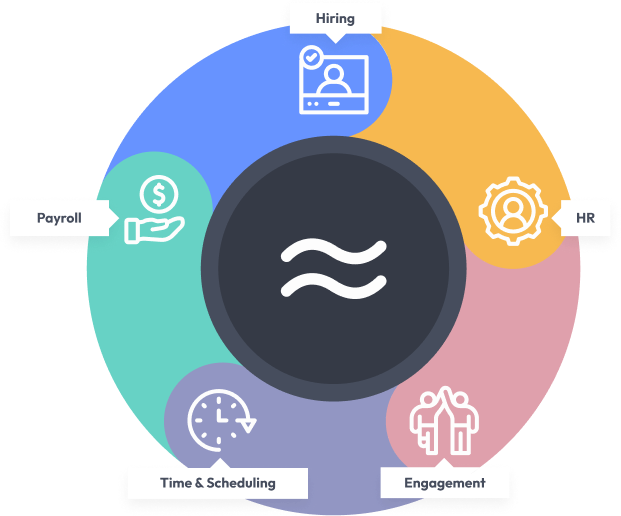

Hiring
Hire better quality workers, faster

HR
Streamline people processes and ensure employee records are always accurate

Engagement
Reduce turnover and increase worker engagement

Time & Scheduling
Manage schedules and hours worked to optimize your labor costs

Payroll
Pay your team quickly, easily, and accurately
resources
Become a hiring and onboarding expert.

Be smart with your hourly workforce
