



How to Hire Transportation Coordinators: Step-by-Step Tips to Find and Recruit Top Talent
Discover the best strategies to hire transportation coordinators efficiently with our step-by-step guide for restaurants and streamline your hiring process today.

How to Hire Transportation Coordinators: A Practical Guide for Small Business Owners
Ever tried to hire transportation coordinators and felt like you were searching for a unicorn in rush hour traffic? You’re not alone. Whether you run a bustling restaurant group, a delivery service, or a logistics company, finding the right people to keep your wheels turning is no small feat. Let’s break down how you can recruit, screen, and onboard top-notch transportation coordinators—without losing your sanity or your bottom line.
Understanding the Role: What Makes a Great Transportation Coordinator?
Before you start the hiring process, it’s crucial to know what you’re looking for. Transportation coordinators are the linchpin between drivers, customers, and your operations team. They juggle schedules, solve problems on the fly, and keep your deliveries running smoother than a fresh jar of Skippy. But what skills and experience should you prioritize?
- Communication: Clear, concise communication is non-negotiable. Coordinators must relay instructions, handle customer inquiries, and manage driver feedback.
- Problem-solving: When a truck breaks down or a shipment is delayed, your coordinator needs to think fast and keep things moving.
- Tech-savvy: Familiarity with scheduling software and GPS tracking is a must. If they can’t handle a spreadsheet, you’ll be in for a bumpy ride.
- Attention to detail: One wrong digit in a delivery address can unravel a whole day’s work. Details matter.
For a deeper dive into job description essentials, check out this guide on developing job descriptions. And if you’re curious about the difference between a logistics coordinator and a transportation manager, this resource breaks down the roles and skills you’ll need.
Recruiting Transportation Coordinators: Where to Find the Right Talent
Posting the Job: Make Your Opportunity Stand Out
Let’s be honest—posting a bland job ad on a generic board isn’t going to cut it. To find transportation coordinators who fit your culture and needs, focus on clear, compelling job postings. Need inspiration? Explore these job posting examples and creative tips to make your job ad pop.
- Highlight growth opportunities and benefits. According to this DoorDash report, strong benefits help attract and retain top talent.
- Be transparent about pay and expectations. The SHRM research shows that salary is a top priority for job seekers.
- Use multiple channels. Don’t just stick to Indeed—consider Instagram hiring strategies and Craigslist posting tips to widen your net.
Screening and Interviewing: Finding the Right Fit
Screening applicants can feel like searching for a needle in a haystack, but with the right tools, you’ll save time and headaches. Automated solutions like Workstream’s hiring automation can cut your time-to-hire in half and reduce turnover by 50%—that’s not just a stat, it’s a game-changer for busy owners.
When it comes to interviews, focus on practical scenarios. Ask about their experience managing last-minute route changes or handling irate customers. For more on effective interview techniques, check out these motivational interviewing tips and cultural fit questions.
Onboarding and Retaining Your Transportation Coordinators
Streamlined Onboarding: Set Them Up for Success
First impressions matter. A clunky onboarding process can send your new coordinator running for the hills. Digital onboarding tools, like those offered by Workstream, help new hires complete paperwork, training, and compliance checks from their phone—no more chasing signatures or lost forms. For onboarding templates and checklists, these resources are a lifesaver.
And don’t just take my word for it—onboarding stats show that a strong start reduces turnover and boosts productivity.
Retention: Keeping Your Best People on Board
Let’s face it, turnover in logistics is high and expensive. The Michelin Guide and Notch Financial both highlight the steep costs of losing trained staff. So, how do you keep your coordinators happy?
- Offer flexibility. Work-life balance is a top driver of engagement.
- Invest in ongoing training. Effective training pays off in spades.
- Recognize and reward good work. Employee recognition matters more than you think.
- Use digital tools to keep teams connected and schedules clear. See how Gap gave employees more control and reduced no-shows.
And if you’re still struggling with turnover, this piece on turnover causes and costs will open your eyes to the hidden expenses.
Compliance, Payroll, and Scheduling: Don’t Get Tripped Up
Staying Legal and Efficient
Let me tell you, nothing ruins your day faster than a compliance violation or payroll error. The Department of Labor’s recordkeeping requirements are strict, and mistakes can cost you big time. With a platform like Workstream, you can centralize employee records, automate payroll, and ensure compliance—saving your business up to $25K a year in legal headaches.
Scheduling is another pain point. Overstaffed? You’re bleeding cash. Understaffed? Your service suffers. Workstream’s 24-hour schedule template and shift management tools can help you strike the right balance, saving you 1.7 hours per employee each week—seriously, that adds up fast.
Conclusion: The Road Ahead—Hiring Smarter, Not Harder
So, what’s the secret sauce to hire transportation coordinators who’ll stick around and make your business run like a well-oiled machine? It’s a mix of clear job descriptions, smart recruiting, seamless onboarding, and ongoing support. Don’t forget to leverage technology—Workstream’s all-in-one HR and payroll platform is built for businesses just like yours, helping you save time, cut costs, and focus on what matters most: your people and your customers.
Still have questions or want to see how others are tackling these challenges? Check out these additional resources:
- Streamline your hiring process
- Key hiring and firing statistics
- Traits of committed employees
- Tips for highlighting job benefits
- Contact Workstream for support
Honestly, hiring transportation coordinators doesn’t have to be a headache. With the right approach and a little help from technology, you’ll build a team that keeps your business rolling—rain or shine.
.svg)


All your important HR tasks under one roof
Today’s business owners and HR teams are overwhelmed with administrative tasks: manual processes and exports, duplicative data entry, and siloed information. Workstream centralizes and simplifies people tasks so you can move fast, reduce labor costs, and simplify operations—all in one place.
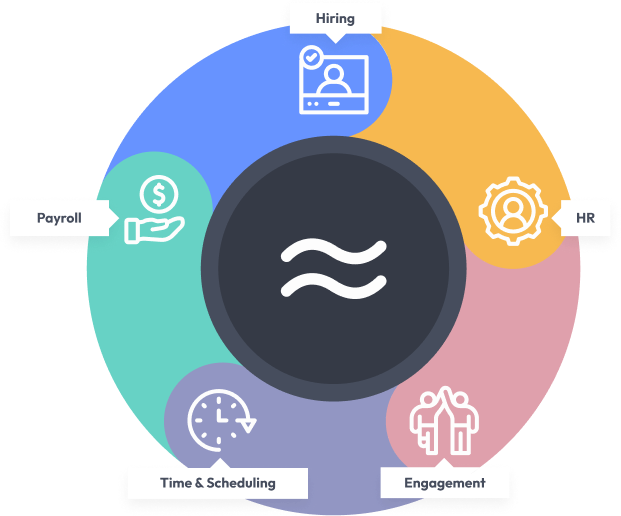

Hiring
Hire better quality workers, faster

HR
Streamline people processes and ensure employee records are always accurate

Engagement
Reduce turnover and increase worker engagement

Time & Scheduling
Manage schedules and hours worked to optimize your labor costs

Payroll
Pay your team quickly, easily, and accurately
resources
Become a hiring and onboarding expert.


Be smart with your hourly workforce
