



Hire Shift Supervisors: Proven Steps to Recruit, Interview, and Onboard Top Talent Fast
Discover proven strategies to hire shift supervisors, from crafting job descriptions to final interviews, and build a reliable restaurant management team with our step-by-step guide.

How to Hire Shift Supervisors: The Practical Guide to Building a Strong Team
Hiring the right shift supervisors can feel a bit like assembling a championship sports team—get it right, and everything else just clicks. But, if you ask me, most small business owners know the pain of hiring someone who looks great on paper but fizzles out when the grill gets hot or the lunch rush hits. Let’s walk through how to hire shift supervisors who’ll keep things running smoothly, keep your team engaged, and help your business thrive—whether you’re running a busy diner, a franchise, or a local pizza shop.
Why Shift Supervisors Are the Backbone of Your Operation
Before we jump into the nuts and bolts of hiring, let’s pause for a second. Why does the restaurant supervisor position matter so much? Well, supervisors are the glue that holds your team together. They’re the ones who step in when the fryer breaks, the register jams, or a new hire is struggling. If you’ve ever had a great shift leader, you know the difference it makes in morale and performance.
According to industry research, high turnover among supervisors can send your whole operation into a tailspin. And let’s be real: replacing a supervisor isn’t cheap. The cost of turnover can reach thousands per employee, not to mention the stress it puts on your team.
What Makes a Top-Notch Supervisor?
- Strong communication and conflict resolution skills (think: referee, not dictator)
- Experience leading teams—ideally in fast-paced, hourly environments
- Reliability and flexibility, especially for those late-night or weekend shifts
- Ability to motivate and coach staff, not just bark orders
For more on the traits that set great supervisors apart, check out these five traits of committed employees.
How to Hire Restaurant Supervisors Who Stick Around
Let’s get down to brass tacks. The process to hire restaurant supervisors isn’t rocket science, but it does take intention and the right tools. Here’s the thing: you want to recruit shift leaders who fit your culture, not just fill a spot on the schedule.
Step 1: Write a Crystal-Clear Job Description
Start by outlining exactly what you need. Are you looking for someone who can handle inventory, manage cash, and jump in on the line? Or is your focus more on customer service and team morale? For inspiration, check out these employee handbook tips and job posting examples tailored for hourly roles.
Step 2: Source Candidates Where They Hang Out
Don’t just post on the usual job boards and hope for the best. Many successful operators are using platforms like Indeed, Instagram, and even Craigslist to reach the right talent. And if you’re looking to find hourly supervisors fast, consider using Workstream’s hiring automation tools—they’re designed for businesses like yours, making it easy to screen, schedule, and communicate with applicants by text.
Step 3: Screen for Attitude and Experience
It’s tempting to focus on years of experience, but attitude often trumps tenure. Research from Harvard Business Review shows that hiring for attitude and training for skill can dramatically reduce turnover. Use motivational interviewing techniques and cultural fit questions to dig deeper.
Step 4: Move Fast—But Don’t Skip Steps
Hourly workers, especially those with supervisor potential, are in high demand. Automated scheduling and mobile-friendly applications can cut your time-to-hire in half. With Workstream’s hiring automation, you can screen, schedule, and even send offer letters via text, so you don’t lose great candidates to competitors.
Recruit Shift Leaders: Avoiding Common Pitfalls
Even the best hiring process can hit a snag. Here are a few traps to watch out for when you recruit shift leaders:
- Rushing the process: Filling a gap fast is tempting, but a bad hire costs more in the long run. Use structured interviews and reference checks.
- Ignoring culture fit: A supervisor who clashes with your team can tank morale. Make sure your values align.
- Overlooking benefits and perks: According to DoorDash’s report on benefits, offering even small perks can make your supervisor role more attractive and help with retention.
- Forgetting compliance: Supervisors need to know the rules—labor laws, scheduling, and wage and hour compliance. Brush up on recordkeeping requirements and consider digital tools that keep you on track.
Retention: Keeping Your Best Supervisors Engaged
Once you’ve found the right people, keeping them is another story. High turnover in supervisor roles can ripple through your staff, leading to disengagement and even more turnover. For strategies on reducing turnover and understanding its true cost, these resources are a must-read.
Don’t forget, regular recognition, clear growth paths, and flexible scheduling (think: shift swapping and mobile apps) can make all the difference. For more, see how Gap gave employees more control over their schedules and boosted engagement.
Tools and Tech: How to Find Hourly Supervisors Faster
Let’s be honest, no one wants to spend hours buried in resumes and missed interviews. This is where technology really shines. Platforms like Workstream let you automate everything from screening to onboarding—cutting your time-to-hire and reducing no-shows by over 50%. That’s not just a sales pitch; it’s a game-changer for busy operators.
Why Mobile-First Matters
Most hourly workers, especially younger candidates, live on their phones. If your application process isn’t mobile-friendly, you’re losing out. With digital onboarding templates and text-based communication, you can get new supervisors up to speed in minutes, not hours.
Compliance and Payroll—Don’t Drop the Ball
Supervisors often handle sensitive tasks like approving timesheets or managing shift swaps. Integrated HR and payroll platforms help you stay compliant and avoid costly mistakes. For a full breakdown of payroll costs and compliance, check out this guideline and rules for part-time hours.
Conclusion: Build a Stronger Team, One Supervisor at a Time
If you want to hire shift supervisors who’ll stick around, lead with heart, and drive results, you need a process that’s both fast and thoughtful. Write clear job descriptions, source candidates where they actually look, and use technology to streamline the journey from application to onboarding. And don’t forget—retention starts on day one. Offer growth, recognition, and flexibility, and your best supervisors will pay you back in loyalty and performance.
Want to see how the right tools can help you find hourly supervisors and keep them engaged? Take a closer look at Workstream’s HR and payroll platform, or explore these related guides:
.svg)


All your important HR tasks under one roof
Today’s business owners and HR teams are overwhelmed with administrative tasks: manual processes and exports, duplicative data entry, and siloed information. Workstream centralizes and simplifies people tasks so you can move fast, reduce labor costs, and simplify operations—all in one place.
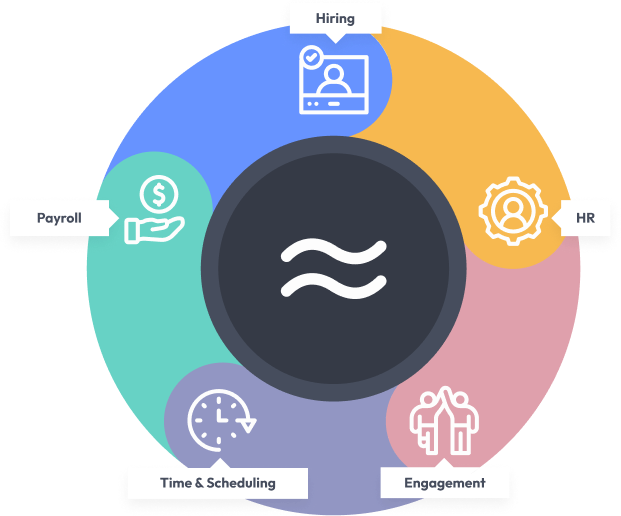

Hiring
Hire better quality workers, faster

HR
Streamline people processes and ensure employee records are always accurate

Engagement
Reduce turnover and increase worker engagement

Time & Scheduling
Manage schedules and hours worked to optimize your labor costs

Payroll
Pay your team quickly, easily, and accurately
resources
Become a hiring and onboarding expert.



Be smart with your hourly workforce
