



How to Hire Apprentice Plumbers: A Practical Guide for Small Business Owners
Learn how to hire apprentice plumbers, build a reliable team, and streamline your hiring process with modern tools designed for hourly businesses.

How to Hire Apprentice Plumbers: A Practical Guide for Small Business Owners
If you run a plumbing business, you know the real magic happens when you have a team that’s both skilled and eager to learn. That’s why figuring out how to hire apprentice plumbers—and do it well—can make or break your operation. Whether you’re looking to find plumbing apprentices for the first time or want to fine-tune your apprentice plumber recruitment process, you’re in the right place. Let’s dig into what actually works, what doesn’t, and how you can build a pipeline (pun intended) of reliable talent.
The Plumbing Apprentice Pipeline: Why It Matters
Let me ask you: Have you ever had a great journeyman walk out the door because there wasn’t anyone ready to step up? Or maybe you’ve struggled with high turnover, training costs, or just keeping up with compliance headaches? You’re not alone. The cost of turnover in skilled trades is sky-high, and the solution often starts with a strong plumbing apprentice program.
Why Apprenticeships Are Your Secret Weapon
- Grow your own talent: Apprentices learn your way of doing things from the start.
- Reduce turnover: According to industry data, investing in training and clear career paths keeps new hires around longer.
- Stay compliant: With labor laws changing fast, structured programs help you avoid costly mistakes. (Always check local regulations—this isn’t legal advice!)
- Create loyalty: When folks feel invested in, they stick around—and tell their friends.
The Real Cost of Getting It Wrong
Honestly, hiring the wrong apprentice can cost more than just money. It can drain morale, slow down jobs, and even put your reputation at risk. The average cost to replace an hourly worker in hospitality is nearly $6,000, according to this breakdown. That’s a lot of leaky faucets.
Where and How to Find Plumbing Apprentices (Without Losing Your Mind)
So, where do you actually find plumbing apprentices? The old-school approach—posting on a corkboard at the supply house—still works for some. But if you want to reach today’s talent, you’ll need to get creative and digital.
Modern Recruiting Tactics That Work
- Leverage digital job boards: Use platforms designed for hourly work, like Workstream’s hiring automation tools, to cast a wider net and save time screening candidates.
- Social media recruiting: Don’t underestimate the power of Instagram or Facebook for attracting younger recruits—check out these Instagram hiring tips.
- Local partnerships: Connect with trade schools and community colleges. Many have placement programs hungry for real-world opportunities.
- Referral incentives: Your best techs know people looking for a break. Offer a bonus when they refer someone who sticks around for six months.
- Creative job postings: Stand out with engaging, authentic job ads. For inspiration, see these job posting examples.
If you ask me, using a platform like Workstream’s hiring automation isn’t just about speed—it’s about reaching candidates where they already are (on their phones). That’s especially important if you want to recruit plumbing trainees from diverse backgrounds or younger generations who expect mobile-first experiences.
The Role of Benefits and Flexibility
Want to stand out from competitors? Offer clear benefits—even if it’s just paid training or flexible hours. According to this DoorDash report, benefits are key for recruitment and retention in hourly roles. And don’t forget: flexibility matters more than ever. If you can accommodate school schedules or family commitments, say so in your job ad.
Nailing the Apprentice Plumber Recruitment Process
You’ve got applicants—now what? Here’s where many businesses trip up. A clunky process can scare off good candidates faster than a cold shower.
Simplify Screening and Interviews
- Automate initial screening: Use smart tools to filter out unqualified applicants quickly. Platforms like Workstream can save three hours per week per location on candidate screening.
- Text-based scheduling: Let candidates book interviews via text—no more phone tag. This simple tweak can reduce interview no-shows by 55%.
- Ask practical questions: Focus on attitude and willingness to learn. For tips on interview techniques, check out these motivational interviewing strategies.
- Cultural fit matters: Don’t ignore soft skills—see these cultural fit interview questions.
Onboarding: Setting Up Apprentices for Success
Your job isn’t done when they sign the offer letter. A well-structured onboarding process sets expectations and builds confidence. For practical onboarding templates, see this guide on new hire onboarding templates. And if you want to cut onboarding time from hours to minutes, digital tools like Workstream’s mobile onboarding make it painless for everyone involved.
If you’re curious about broader onboarding strategies for hourly employees, this resource on onboarding and training best practices is packed with actionable advice.
A Note on Compliance (Don’t Skip This!)
This is where things get sticky. Plumbing apprenticeships often require compliance with state licensing boards and wage laws. Keep meticulous records—see the U.S. Department of Labor’s guidance on wage recordkeeping. Digital HR platforms can help automate this so nothing slips through the cracks (and you avoid those $25K lawsuits nobody wants).
A Few Pitfalls—and How to Dodge Them
- Poor communication: Keep candidates informed at every step. Silence leads to ghosting.
- No clear path for advancement: Apprentices want to know what comes next. Lay out the journey from apprentice to journeyman (and beyond).
- Ineffective training: Don’t just throw them in the deep end—structure matters. For more on effective training methods, see this article on effective training techniques.
- Lack of feedback: Regular check-ins build trust and catch issues early.
The Future of Hiring Apprentice Plumbers: Tech Meets Tradition
The world of plumbing is changing—fast. Automation, AI-driven screening, and mobile-first workflows are no longer “nice-to-haves.” They’re essential if you want to recruit plumbing trainees efficiently and stay competitive. And let’s be real: paperwork is nobody’s favorite part of the job. By using tools like Workstream, you can replace up to seven separate HR products with one platform—saving time, money, and headaches.
If you’re still relying on paper applications or word-of-mouth alone, it might be time for an upgrade. Not only will you fill roles faster, but you’ll also create a better experience for both managers and new hires. And that means more jobs finished on time—and fewer callbacks from frustrated clients.
Tying It All Together: Building Your Own Apprentice Program
- Review hiring statistics for hourly trades
- Learn how Workstream supports new hire onboarding
- See how to highlight benefits in your job postings
- Understand hourly vs salaried hiring differences
- Explore free job posting sites for apprenticeships
- Get creative tips for your next job ad
- Discover what makes a great manager for your team
- Spot traits of committed employees early on
- Celebrate employee milestones for retention
- Learn about turnover factors in service industries
- Set SMART goals for your business growth
- Handle difficult separations with care
- Contact Workstream for personalized support
- Use Indeed effectively for hourly hiring
The Bottom Line: Start Smart, Grow Stronger
If there’s one thing I’ve learned covering small business hiring trends, it’s that success comes down to people—and how you bring them on board. When you take the time to hire apprentice plumbers thoughtfully, using the right mix of tech and human touch, you set your business up for growth that lasts. So don’t wait until your best tech hands in their notice; start building your apprentice pipeline today.
If you want more tips or need help streamlining your process, check out the resources at Workstream’s platform overview. You’ll find everything from automated scheduling to digital onboarding—all built with small businesses in mind.
This article is meant as general guidance only; always consult local regulations before launching a plumbing apprentice program!
.svg)


All your important HR tasks under one roof
Today’s business owners and HR teams are overwhelmed with administrative tasks: manual processes and exports, duplicative data entry, and siloed information. Workstream centralizes and simplifies people tasks so you can move fast, reduce labor costs, and simplify operations—all in one place.
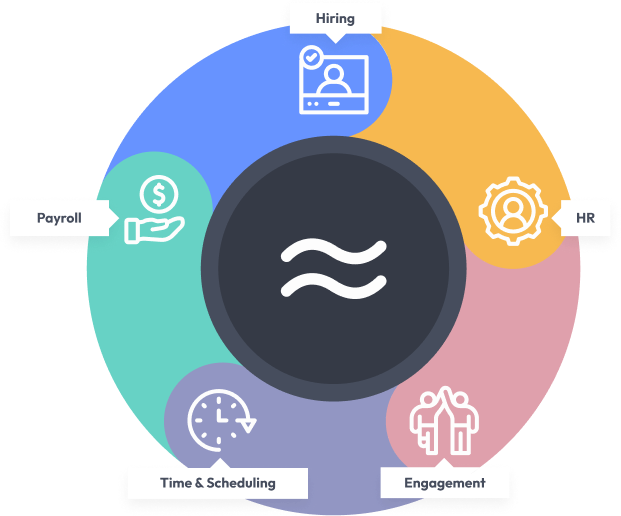

Hiring
Hire better quality workers, faster

HR
Streamline people processes and ensure employee records are always accurate

Engagement
Reduce turnover and increase worker engagement

Time & Scheduling
Manage schedules and hours worked to optimize your labor costs

Payroll
Pay your team quickly, easily, and accurately
resources
Become a hiring and onboarding expert.


Be smart with your hourly workforce
