



How to Hire Clinic Assistants: Streamline Clinic Staff Recruitment for Better Patient Care
Streamline how you hire clinic assistants and medical office staff with Workstream’s all-in-one platform—making clinic staff recruitment faster, easier, and more efficient for your healthcare team.

How to Hire Clinic Assistants: A Practical Guide for Small Business Owners
If you run a clinic—be it a family practice, dental office, urgent care, or specialty center—you know that finding and keeping great clinic assistants is like trying to catch lightning in a bottle. The right hire can make your team hum, while the wrong one can send your operations into a tailspin. Let’s walk through how to hire clinic assistants who’ll keep your practice running smoothly, your patients happy, and your staff turnover low.
Clinic Staff Recruitment: Where Do You Start?
Honestly, recruiting for clinics isn’t just about posting a job ad and crossing your fingers. It’s about knowing what you need and where to look. Before you even think about interviews, nail down the essentials:
- Job Description: Spell out exactly what you expect from your clinic assistants. For practical tips on crafting effective job descriptions, check out this resource.
- Skills & Certifications: Do you need someone with phlebotomy experience? Bilingual? CPR certified? The more specific you are, the better your candidate pool will be.
- Cultural Fit: Clinics have their own personalities. Are you a fast-paced urgent care or a cozy pediatric office? Hiring for fit matters—a lot! For ideas on assessing fit, see these interview questions.
Let me explain: when you’re clear on your needs, you’re less likely to waste time on candidates who just don’t mesh. And if you ask me, time is the one thing most clinic managers never have enough of.
Where to Find Great Candidates
Recruiting healthcare assistants is more competitive than ever. If you’re still relying on word-of-mouth or a “Help Wanted” sign in the window, it’s time to rethink your strategy. Consider these approaches:
- Online Job Boards: Platforms like Indeed or specialized healthcare sites are a must. For tips on writing standout postings, visit this guide.
- Social Media: Don’t underestimate the power of Facebook groups or even Instagram for reaching local talent. Here’s how to use Instagram for hiring: Instagram job posting tips.
- Referrals: Your current staff often know folks looking for work—sometimes the best hires are just a conversation away.
And, if you want to automate and streamline your hiring process (and who doesn’t?), Workstream’s hiring automation tools can help you move faster than ever before.
How to Hire Medical Office Staff: Screening and Interviewing Without the Headaches
Screening resumes for clinic assistants can feel like searching for a needle in a haystack. But there’s hope! Automated screening tools (like those from Workstream) can save hours per week by filtering out unqualified applicants and scheduling interviews automatically.
What to Look For in an Interview
The interview is where you separate the good from the great. Here are some things to keep in mind:
- Soft Skills: Communication, empathy, and patience are just as important as technical know-how. For help with motivational interviewing, see these techniques.
- Scenario Questions: Ask how candidates would handle tricky patient situations or busy days. Their answers tell you more than any resume ever could.
- Culture Fit: Again, don’t skip this! Use targeted questions like those found in this list.
If you want even more structure, try the STAR method for behavioral interviews. It helps candidates give concise, relevant answers—no rambling allowed.
The Power of Fast Response Times
You snooze, you lose. In this labor market, top candidates get snatched up quickly. With automated scheduling and text reminders (yes, Workstream does this), you can cut your time-to-hire by half and reduce interview no-shows by over 50%. That’s not just a stat—it’s a lifeline for busy clinics.
Onboarding: Turning New Hires Into Clinic Rockstars
You’ve made the hire—now what? Effective onboarding is where many clinics drop the ball. According to recent onboarding statistics, structured onboarding improves retention and performance across all industries.
- Compliance: Make sure all paperwork is completed digitally—no more lost forms or illegible handwriting. For onboarding templates, check out these resources.
- Training: Don’t shortcut training; it always comes back to bite you. For effective training methods, see this guide.
- Cultural Integration: Introduce new hires to your team and routines early. For tips on building strong teams, take a look at these teamwork strategies.
If you want onboarding that feels less like herding cats and more like a well-oiled machine, consider digital onboarding platforms like Workstream’s suite. They offer mobile-friendly document completion and automated reminders—so nothing slips through the cracks.
Common Pitfalls in Recruiting Healthcare Assistants (And How to Dodge Them)
No hiring process is perfect—sometimes you’ll make a misstep or two. But here’s what trips up most clinics when they try to recruit healthcare assistants:
- Slow Processes: Taking too long to respond or schedule interviews means losing candidates to faster competitors. Automation helps here—Workstream’s platform can speed things up dramatically.
- Poor Communication: Candidates hate being left in the dark. For ideas on improving communication with frontline staff, see this article.
- Lack of Clarity: Vague job postings attract vague candidates. Be specific about duties and expectations—see examples at this link.
- No Structured Onboarding: Skipping structured onboarding leads to confusion and early turnover. For onboarding best practices, check out these stats.
If you want to avoid these pitfalls—and save thousands each year in turnover costs—lean on tools that centralize data and automate repetitive tasks. It’s not magic; it’s just smart business.
The Cost of Hiring (and Not Hiring) Well
You might be surprised at how much hiring mistakes can cost your clinic. According to industry research, turnover can cost up to 200% of an employee’s annual salary (see the numbers here). And don’t forget compliance risks—skipping proper documentation or training can rack up legal fees faster than you can say “malpractice.” For compliance info, check the official guidelines at the Department of Labor.
The Subtle Art of Retaining Your Medical Assistants
If recruiting is tough, retaining great medical office staff is even tougher. Why do so many leave? Sometimes it’s pay, sometimes it’s burnout, sometimes it’s just feeling unappreciated (read more about hourly worker satisfaction here). Here are some ways to keep your team happy and loyal:
- Competitive Pay & Benefits: Don’t skimp here! For ideas on structuring benefits that attract and retain talent, see this DoorDash report.
- Clear Schedules: Give staff as much control over their schedules as possible—last-minute changes are morale killers. For scheduling templates that work, check out this resource.
- Growth Opportunities: Even entry-level assistants want to see a path forward. Offer training or certifications when possible; it pays off in retention.
- Camaraderie & Recognition: Celebrate wins together—even small ones matter! For more on engagement strategies, visit this article.
If you’re feeling overwhelmed by all these moving parts, remember: platforms like Workstream can help with everything from scheduling to payroll to team communication—all in one place. That means fewer headaches for you and better experiences for your staff.
A Few Final Words (and Resources Worth Bookmarking)
If you’ve made it this far, you probably care deeply about building a strong clinic team—and that’s half the battle. The other half? Using smart tools and proven strategies so you’re not reinventing the wheel every time someone leaves or joins your staff.
- If you want to learn more about automating recruitment for hourly roles (including medical assistants), check out Workstream’s solutions for hourly workers for hire.
- Keen on improving your job ads? Here are some creative ways to make them stand out: Creative job posting tips.
- If retention is your pain point, read about factors that drive turnover in assisted living (many apply to clinics too): Turnover insights here.
- Curious how franchise giants keep their teams happy? See what makes restaurant employees stick around: What makes employees happy?
- If compliance is top of mind (and it should be), don’t miss this breakdown of wage recordkeeping: Wage recordkeeping rules.
This article is intended as general guidance only and does not constitute legal advice. Always consult with legal counsel or HR professionals regarding compliance and employment law in your state.
If you’re looking for more practical tips on hiring or managing hourly workers, explore these resources from Workstream:
.svg)


All your important HR tasks under one roof
Today’s business owners and HR teams are overwhelmed with administrative tasks: manual processes and exports, duplicative data entry, and siloed information. Workstream centralizes and simplifies people tasks so you can move fast, reduce labor costs, and simplify operations—all in one place.
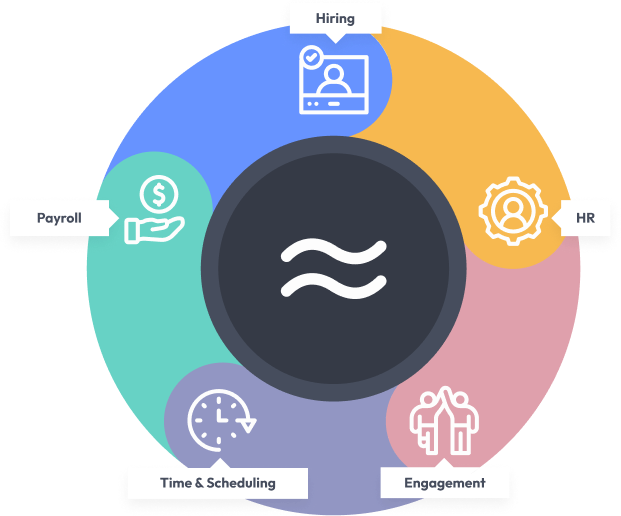

Hiring
Hire better quality workers, faster

HR
Streamline people processes and ensure employee records are always accurate

Engagement
Reduce turnover and increase worker engagement

Time & Scheduling
Manage schedules and hours worked to optimize your labor costs

Payroll
Pay your team quickly, easily, and accurately
resources
Become a hiring and onboarding expert.



Be smart with your hourly workforce
