



How to Hire Florists: Expert Tips to Find and Build Your Perfect Floristry Team
Discover expert tips to hire florists, streamline your recruitment process, and build a talented floristry team for your business success.

How to Hire Florists: Building a Flourishing Floristry Team
Ever walked past a flower shop and wondered how those gorgeous arrangements come together so seamlessly, day after day? Behind every stunning bouquet is a team of talented individuals—florists, flower arrangers, and support staff—whose skills and personalities make the business bloom. If you’re looking to hire florists and build a top-notch floristry team, you’re in the right place. Let’s dig into the practical steps, common pitfalls, and a few tips that can help you find florists who’ll help your shop thrive.
First Things First: Know What You Need
Define the Roles in Your Floral Shop
Before you start posting job ads, get clear on the roles you need to fill. Are you searching for experienced flower arrangers with a creative flair? Or do you need reliable floral shop staff who can handle customer service and deliveries? Each role requires a different skill set, and defining these early will make your hiring process much smoother. For tips on writing job descriptions that attract the right talent, check out these employee handbook tips—yes, they’re for restaurants, but the principles apply to flower shops too.
Understand the Qualities of a Great Florist
Honestly, technical skills are just the beginning. You want team members who are creative, detail-oriented, and able to handle the rush of Valentine’s Day or Mother’s Day without wilting under pressure. If you’re not sure what to look for, these traits of committed employees can help you spot the right fit for your team.
Recruiting Flower Arrangers: Where to Look and What to Offer
Finding Talent in Unexpected Places
Gone are the days when you could just put a “Help Wanted” sign in the window and call it a day. Today, you need to cast a wider net. Consider these strategies:
- Online Job Boards: Platforms like Indeed and Craigslist are still great for reaching local talent. Make your posting stand out with these creative job posting tips.
- Social Media: Instagram isn’t just for sharing pretty bouquets—use it to show off your shop culture and attract creative types. Here’s how to use Instagram to hire hourly workers effectively.
- Employee Referrals: Your current staff probably know other talented florists. Don’t be shy—ask for recommendations.
And if you’re wondering how to find the best free job posting sites, there are plenty of options that won’t break the bank.
What Attracts Top Florists?
It’s not just about pay (though that matters). Benefits, flexibility, and a supportive work environment go a long way. According to DoorDash’s report on benefits and retention, offering perks—even small ones—can help you attract and keep great employees. If you’re not sure what to offer, take a peek at how Starbucks structures their benefits for hourly staff.
Interviewing and Selecting Your Floristry Team
Ask the Right Questions
Interviewing is more than just a chat about flower names. You want to get a sense of their creativity, reliability, and customer service skills. Try these cultural fit interview questions to see if a candidate meshes with your shop’s vibe. And if you’re looking for more advanced techniques, explore motivational interviewing techniques to really dig into what drives your candidates.
Don’t Skip the Practical Test
Honestly, seeing is believing. Ask candidates to create a simple arrangement or walk you through their process. You’ll quickly spot who has the skills and who just talks a good game. If you’re hiring for a high-volume shop, consider using hiring automation tools to streamline the process—saving you hours each week and reducing time-to-hire by half.
Onboarding and Retaining Flower Shop Employees
Smooth Onboarding: Set Them Up for Success
First impressions matter. A well-structured onboarding process helps new hires feel welcome and confident. Use these onboarding templates to get started, and don’t forget to include safety and compliance training. For more on what makes onboarding so critical, check out this Forbes guide to employee onboarding.
Keep Your Florists Happy (and Reduce Turnover)
Turnover in hourly roles can be a real thorn in your side. According to Michelin Guide’s look at turnover, high churn rates are costly and disruptive. The good news? Investing in engagement and recognition pays off. Consider regular check-ins, opportunities for creative growth, and celebrating milestones—like the 10-year work anniversary ideas that can be adapted for your shop.
And if you’re curious about how tech can help, platforms like Workstream can automate scheduling, payroll, and communication—giving you more time to focus on your team and customers.
Compliance, Payroll, and Legal Details: Don’t Get Caught Off Guard
Stay on Top of the Rules
Hiring hourly workers means keeping up with wage laws, scheduling rules, and recordkeeping. The U.S. Department of Labor’s recordkeeping guide is a must-read for any small business owner. And if you’re wondering about the right way to pay your team, this resource on payroll for restaurants covers a lot of the same ground for florists.
Don’t forget: compliance mistakes can cost you thousands in fines and lawsuits. Using an integrated platform like Workstream can help you stay compliant and avoid costly errors.
Conclusion: Growing Your Flower Shop, One Great Hire at a Time
If you ask me, hiring florists is as much about building a community as it is about filling a role. Take your time, use the right tools, and focus on finding people who share your passion for flowers and customer service. With a little planning—and maybe a dash of technology—you’ll build a team that helps your business bloom all year round.
Want more tips on hiring and managing your hourly workforce?
- Explore restaurant hiring strategies that work for florists too
- See how Dunkin’ franchisees improved hiring with Workstream
- Check out tips for calling out benefits in job descriptions
- Learn how work anniversaries boost morale
- Discover traits of committed employees for better hiring decisions
.svg)


All your important HR tasks under one roof
Today’s business owners and HR teams are overwhelmed with administrative tasks: manual processes and exports, duplicative data entry, and siloed information. Workstream centralizes and simplifies people tasks so you can move fast, reduce labor costs, and simplify operations—all in one place.
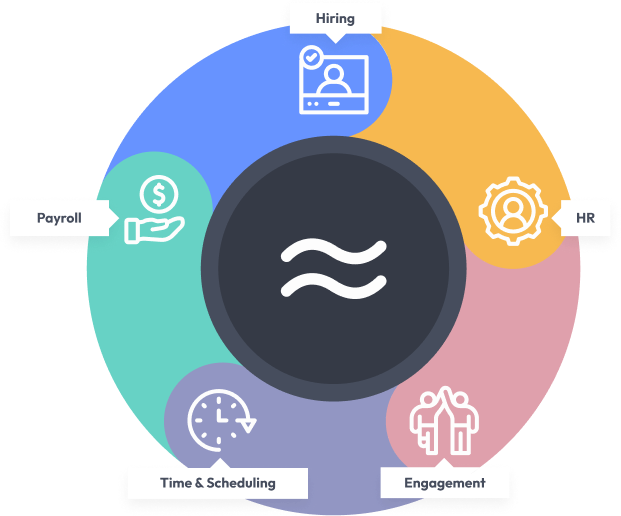

Hiring
Hire better quality workers, faster

HR
Streamline people processes and ensure employee records are always accurate

Engagement
Reduce turnover and increase worker engagement

Time & Scheduling
Manage schedules and hours worked to optimize your labor costs

Payroll
Pay your team quickly, easily, and accurately
resources
Become a hiring and onboarding expert.



Be smart with your hourly workforce
