



How to Hire Fulfillment Associates: Proven Steps to Build a Reliable Warehouse Team Fast
Discover expert tips and best practices to hire fulfillment associates efficiently, streamline your recruitment process, and build a reliable team for your restaurant’s success.

How to Hire Fulfillment Associates: A Practical Guide for Small Businesses
If you're running a busy fulfillment center, warehouse, or even a growing e-commerce operation, you know that finding and keeping the right people is half the battle. The need to hire fulfillment associates quickly—without sacrificing quality—can feel like spinning plates. But with the right approach, you can build a reliable team that keeps your business humming, even during peak season crunches. Let’s break down what really works, what to watch out for, and how new tech (like Workstream) can make your life a whole lot easier.
Understanding the Fulfillment Associate Role
What Does a Fulfillment Associate Actually Do?
Before you start your fulfillment associate recruitment, it pays to get clear on the job. Fulfillment associates are the backbone of order processing—picking, packing, shipping, stocking, and sometimes handling returns. In a world where customers expect two-day shipping (thanks, Amazon), these folks are your frontline for customer satisfaction. If you ask me, it’s a role that deserves more recognition than it gets.
For a deeper dive into the skills and expectations, check out these job description resources and employee handbook tips to help you define the role clearly and set expectations from day one.
Why Turnover is So High—And What You Can Do
Let’s be honest: turnover in warehouse and fulfillment center staff is notoriously high. According to industry research, the reasons range from repetitive work to lack of advancement opportunities. But it’s not all doom and gloom. Companies that invest in onboarding, fair pay, and flexible scheduling can cut turnover by half. Want to see how? Explore onboarding templates that streamline the process and create a better first impression.
Recruitment Strategies That Actually Work
Modern Sourcing: Go Where the Candidates Are
It’s not just about posting a “Help Wanted” sign anymore. Successful fulfillment associate recruitment means meeting candidates where they hang out—think social media, job boards, and even text messaging. Platforms like Workstream automate job postings across multiple channels and use smart screening to surface the best fits fast. If you’re curious about creative job ads, these examples might spark some ideas.
- Digital recruiting strategies can expand your candidate pool.
- Proactive sourcing tips help you find talent before your competitors do.
- How to use Indeed for hourly hiring—a must-read for warehouse roles.
Screening and Interviewing: Speed and Substance
Here’s the thing: fulfillment center staff often have lots of options, so if your process drags, you’ll lose them to the competition. With automated screening tools, you can cut your time-to-hire in half. Want to make interviews count? Try these motivational interviewing techniques and cultural fit questions to ensure you’re not just hiring bodies, but people who’ll stick around.
Don’t forget compliance! The Department of Labor’s recordkeeping requirements are no joke—digital HR platforms like Workstream help you stay organized and avoid costly mistakes.
Retention: Keeping Your Warehouse Associates Happy
Why Benefits and Flexibility Matter
Let’s address the elephant in the room: pay and benefits. According to DoorDash’s report on benefits, offering perks—even small ones—can make a big difference in retention. Flexible schedules, instant pay access, and clear career paths all help. Check out how instant pay apps are changing the game for hourly workers.
And if you’re wondering how to keep morale high, this survey uncovers what really matters to hourly staff. Spoiler: it’s not just about money—recognition and respect go a long way.
Onboarding and Training: Set Up for Success
First impressions stick. A streamlined onboarding process, like the one Workstream offers, can reduce onboarding time from hours to minutes. That means less paperwork, more hands-on training, and a smoother start for everyone. For tips on effective training, see these proven techniques.
Scheduling and Engagement: The Secret Sauce
Ever had a no-call, no-show ruin your day? You’re not alone. Automated scheduling tools, like those in Workstream’s suite, can help reduce no-shows and overtime headaches. If you want to dig deeper into why scheduling matters, see how Gap gives employees control and why it leads to better engagement.
Common Pitfalls and How to Avoid Them
- Slow response times: In a tight labor market, speed is everything. Automate interview scheduling with Workstream to stay ahead.
- Poor onboarding: Don’t leave new hires guessing—use digital onboarding templates for a smooth start.
- Ignoring compliance: Stay up to date with wage and recordkeeping laws to avoid fines.
- Underestimating culture: A positive workplace keeps people around. Learn how organizational culture impacts turnover.
Honestly, it’s easy to overlook the small stuff when you’re busy, but those details add up—both in cost and team morale. For a sense of the real financial impact, see how turnover affects your bottom line.
Conclusion: Building a Strong Fulfillment Team (Without Losing Your Mind)
Hiring and retaining fulfillment center staff isn’t rocket science, but it does require attention to detail, empathy, and the right tools. From finding warehouse associates to keeping them engaged, technology like Workstream can help you cut turnover, reduce hiring costs, and save time—so you can focus on growing your business, not just filling shifts. If you’re ready to see what a modern HR platform can do, reach out to Workstream or explore more resources for small business owners.
And if you’re still wondering how the big players do it, check out these stories on Five Guys’ expansion and McDonald’s franchise success—there’s plenty to learn from the best in the business.
- Discover key hiring statistics to inform your strategy.
- Explore scheduling templates for maximum efficiency.
- Read about traits of committed employees and how to spot them.
- Get inspired by Culver’s growth secrets for hiring and retention.
- See how Dunkin’ franchisees improved hiring with Workstream.
.svg)


All your important HR tasks under one roof
Today’s business owners and HR teams are overwhelmed with administrative tasks: manual processes and exports, duplicative data entry, and siloed information. Workstream centralizes and simplifies people tasks so you can move fast, reduce labor costs, and simplify operations—all in one place.
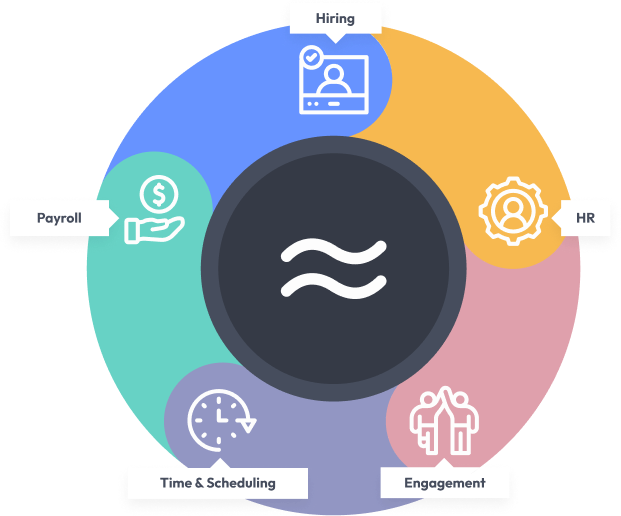

Hiring
Hire better quality workers, faster

HR
Streamline people processes and ensure employee records are always accurate

Engagement
Reduce turnover and increase worker engagement

Time & Scheduling
Manage schedules and hours worked to optimize your labor costs

Payroll
Pay your team quickly, easily, and accurately
resources
Become a hiring and onboarding expert.

Be smart with your hourly workforce
