



How to Hire Administrative Assistants: Step-by-Step Guide for Small Business Owners
Discover proven strategies to hire administrative assistants who boost efficiency and keep your small business running smoothly—plus tips to streamline the process.

How to Hire Administrative Assistants: A Practical Guide for Small Business Owners
If you ask me, finding the right person to keep your office humming is a bit like searching for a needle in a haystack—except the haystack is made of resumes, and the needle needs to know how to juggle calendars, invoices, and the occasional surprise birthday cake. Whether you’re a seasoned franchisee or a first-time restaurateur, learning how to hire administrative assistants can make or break your workflow. Let’s break down what matters most, what to watch out for, and how modern tools (including a few you might not expect) can make this process much less of a headache.
Why Administrative Assistants Are the Backbone of Your Business
Before we get into the nitty-gritty of how to find admin staff, let’s pause for a moment. Have you ever noticed how the best-run businesses seem to have an invisible force keeping everything together? That’s your administrative assistant. They’re the unsung heroes who make sure the coffee’s hot, the bills are paid, and the boss (that’s you) shows up at the right meeting.
- They manage schedules, field calls, and keep records—sometimes all at once.
- They’re often the first face clients see and the last line of defense against chaos.
- With the right training, they can even help with onboarding and compliance (onboarding tips for hourly employees).
Honestly, it’s no wonder turnover in these roles can be costly. According to industry data, losing just one key office administrator can set your business back thousands in lost productivity and retraining costs. That’s not chump change.
Step One: Define What You Really Need
Crafting a Clear Job Description (Without the Fluff)
If you want to recruit admin assistants who stick around, start by getting specific about what you need. Vague job posts attract vague applicants. Instead, use resources like sample job descriptions to clarify expectations and legal requirements. For inspiration on making your post stand out, check out these job posting examples.
- List essential duties: scheduling, data entry, customer support, etc.
- Highlight must-have skills: attention to detail, communication chops, tech savvy.
- Mention any industry-specific needs (e.g., restaurant experience).
- Call out benefits and perks (tips for highlighting benefits).
And don’t forget: compliance matters. For wage and hour rules, see the Department of Labor's recordkeeping guide. If you’re hiring part-time or hourly staff, brush up on part-time hours and benefits eligibility.
Culture Fit: More Than Just a Buzzword
You want someone who vibes with your team. Use cultural fit interview questions to dig deeper than just technical skills. After all, nobody wants an office grump—especially when teamwork is key (improving teamwork tips).
The Search: Where (and How) to Find Admin Staff Who Shine
Modern Sourcing Tactics—Beyond the Usual Suspects
The days of posting a flyer in the window are long gone (though hey, it still works in some towns). Today’s best employers use digital tools and smart sourcing strategies:
- Online job boards: Try platforms that specialize in hourly roles (find hourly workers with Workstream).
- Social media recruiting: Platforms like Instagram can be surprisingly effective (Instagram hiring tips).
- Employee referrals: Tap your team for recommendations—they know what it takes.
- Pre-employment assessments: Consider tools that screen for skills and reliability (pre-employment assessment demo).
- Automated hiring platforms: Save hours with solutions like Workstream's hiring automation, which can cut time-to-hire by half.
If you’re feeling stuck or overwhelmed by applicant volume (who isn’t?), AI-powered software like Workstream’s can help automate screening and scheduling interviews—giving you more time to focus on running your business.
Pitfalls to Dodge When You Recruit Admin Assistants
- Rushing the process: It’s tempting to hire fast when you’re short-staffed, but hasty decisions lead to higher turnover (turnover insights).
- Poor onboarding: A rocky start can send new hires running. Instead, streamline onboarding with digital checklists (onboarding templates) and mobile-friendly workflows (about Workstream onboarding).
- Ignoring work-life balance: Flexible scheduling is a huge retention driver (why schedules matter for hourly workers). Don’t underestimate its impact!
- Lack of ongoing training: Even experienced office assistants need refreshers—see these effective training techniques.
The Interview: Uncovering True Office Administrator Potential
Tactics That Actually Work (And a Few That Don’t)
You’ve narrowed your list—now what? The interview is your best shot at gauging not just skills but attitude and adaptability. Mix behavioral questions (“Tell me about a time you handled a scheduling conflict”) with practical tests (like organizing a mock inbox).
- Behavioral interviews: Use frameworks like STAR (STAR method guide) to structure questions.
- Cultural fit: Ask about past team experiences (motivational interviewing techniques).
- Tech proficiency: Give them a real-world task—maybe entering sample data or managing a calendar invite.
- Soft skills: Look for signs of empathy and patience; these often matter more than typing speed.
If you want to see what makes great managers tick (and how they spot talent), take a peek at these qualities of top general managers.
The Compliance Angle (Don’t Skip This!)
This isn’t legal advice—always consult your attorney for specifics!
- Wage and hour laws: Keep clear records as required by the FLSA.
- Diversity and inclusion: Make sure your hiring process is fair and accessible (job accommodation guidance).
- Sensitive data: Use secure platforms for storing applicant information (platform security tips).
Smooth Onboarding: Setting Your New Hire Up for Success
The First Days Matter More Than You Think
Nobody likes being thrown into the deep end without a life jacket. Give your new office administrator a fighting chance by providing clear instructions, digital forms, and regular check-ins. A strong onboarding process can reduce turnover dramatically (onboarding statistics) and boost morale from day one.
- Create a checklist of first-week tasks (onboarding checklist templates)
- Assign a mentor or buddy for quick questions.
- Set up regular feedback sessions—don’t wait until something goes wrong.
- If possible, use mobile-friendly onboarding tools like those from Workstream’s platform suite.
If you’re curious about how other businesses keep their teams engaged after onboarding, check out these strategies for improving employee retention in high-turnover industries.
The Bottom Line: Why Hiring Smarter Pays Off (Literally)
The right administrative assistant isn’t just another hire—they’re an investment in your sanity and your bottom line. By taking time to define your needs, using modern tools to source candidates, and building a welcoming onboarding process, you’ll reduce turnover (and those dreaded retraining costs) while freeing yourself up to focus on growth.
If you want to see how technology can cut your time-to-hire in half or save thousands each year on HR costs, it might be worth exploring solutions like Workstream’s hiring automation tools. They’re designed with busy small business owners in mind—so you can spend less time shuffling resumes and more time building your dream team.
A Few Final Resources Worth Bookmarking
- Creative job posting tips for hourly roles
- How to proactively find candidates
- Emotional intelligence for HR managers
- Improving teamwork in small businesses
- Contact Workstream for support or questions about hiring automation
- HR statistics every business owner should know
- Understanding employee cost benchmarks
- How to hire efficiently on Indeed for employers
- Impact of benefits on recruitment & retention in restaurants
- Creative recruitment ad ideas that work
- Building successful company culture tips
- Reducing employee turnover through robust retention strategies
- What makes restaurant employees happy?
- Small team structure for big results
- Getting employee onboarding right: Forbes insights
- Guide to HRIS certification and HR tech trends
- Celebrating milestones: work anniversary ideas that build loyalty
If you’re ready to take the next step—or just want more practical advice—explore more guides on hiring hourly workers at the official Workstream blog for restaurant hiring tips.
.svg)


All your important HR tasks under one roof
Today’s business owners and HR teams are overwhelmed with administrative tasks: manual processes and exports, duplicative data entry, and siloed information. Workstream centralizes and simplifies people tasks so you can move fast, reduce labor costs, and simplify operations—all in one place.
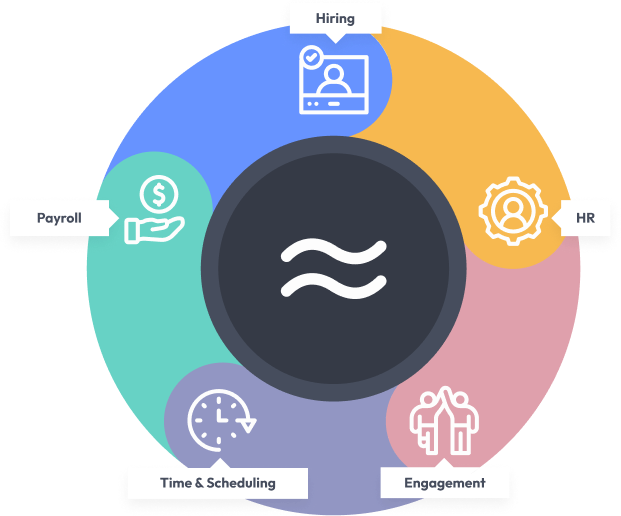

Hiring
Hire better quality workers, faster

HR
Streamline people processes and ensure employee records are always accurate

Engagement
Reduce turnover and increase worker engagement

Time & Scheduling
Manage schedules and hours worked to optimize your labor costs

Payroll
Pay your team quickly, easily, and accurately
resources
Become a hiring and onboarding expert.



Be smart with your hourly workforce
